• 2 min read
SpaceX’s new Starlink V5 dish gets smaller and thriftier
SpaceX’s Starlink V5 kit shrinks the dish and power draw, but trims peak speeds from 400+ Mbps to 375+ Mbps.
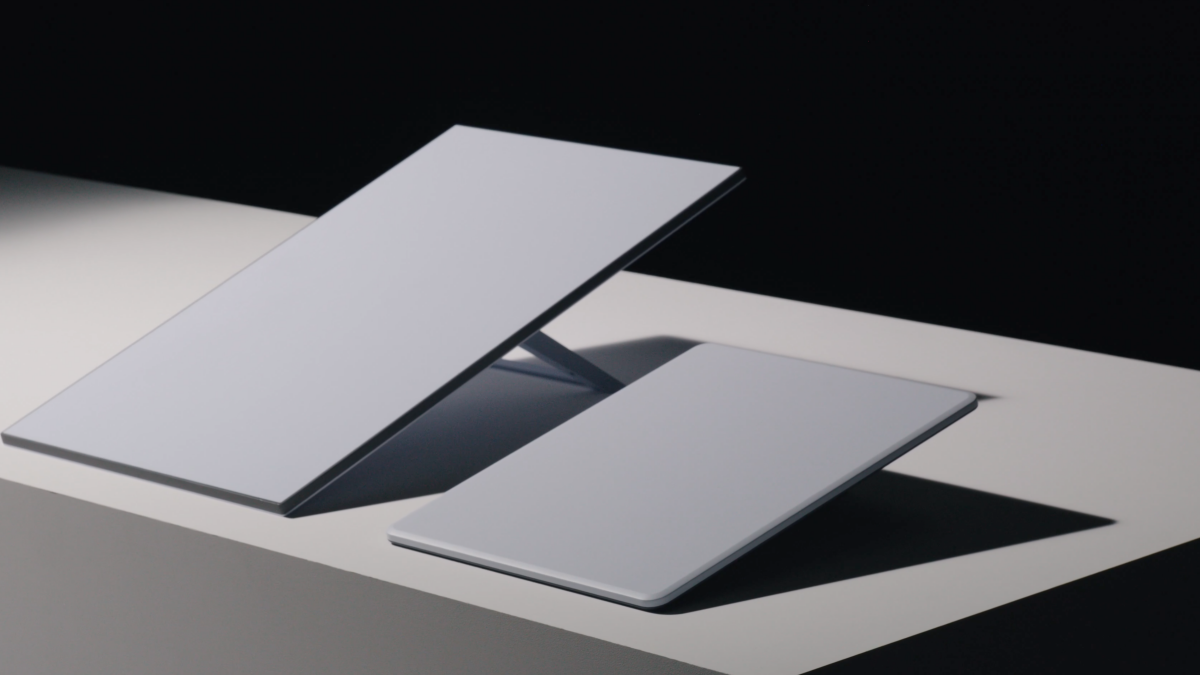
Image: Mashable
Starlink V5 trims size, weight, and watts
SpaceX has rolled out Starlink V5, a new satellite internet kit built around a smaller, more power-efficient dish than the previous generation.
The trade-off: peak download speeds edge down slightly, from 400+ Mbps on the older hardware to 375+ Mbps on V5.
Smaller footprint, much lighter hardware
The V5 hardware is a clear shrink from the Starlink V4 dish launched in 2023.

Recommended reading
Mira Murati’s lab unveils Inkling, a 975B open model
- V4 dimensions: 594 x 383 x 39.7 mm
- V5 dimensions: 384 x 306 x 34 mm
- V4 weight: 2.9 kg
- V5 weight: 1.1 kg
That puts the new dish at nearly a third of the previous weight, with a noticeably reduced footprint that should be easier to mount and move.
Big power savings
Starlink V5 also cuts power consumption by roughly half, a key change for off-grid and constrained setups.
- V4 average power draw: 75–100 W
- V5 average power draw: 35–50 W
The lower power envelope makes the new kit more attractive for users on battery, solar, or limited circuits, even with the slight reduction in advertised speeds.
Availability and limitations
SpaceX says the Starlink V5 kit is available starting today in “select areas” in the U.S. The company did not specify which locations qualify but said that as production scales, V5 will roll out to “additional areas.”
There is one notable restriction: Starlink V5 is not intended for in-motion use. SpaceX directs users who want connectivity on the move to wait for the Starlink Mini kit, which Elon Musk briefly demoed in June.
For now, V5 targets fixed installations that care more about power and size than squeezing out the last few megabits of download speed.

AI Editor
Ava covers the rapidly evolving world of artificial intelligence, from foundational models and research labs to the real-world economics of intelligence. With a background in computational linguistics, she cuts through the hype to find out what actually works. She firmly believes that benchmarks are just marketing until reproduced in the wild.
via Mashable