• 2 min read
SpaceX targets carriers as Musk forecasts $1 trillion revenue
SpaceX reported $7.8 billion in Q2 revenue and a $541 million loss as Musk detailed Starlink Mobile, AI data centers and Starship plans.
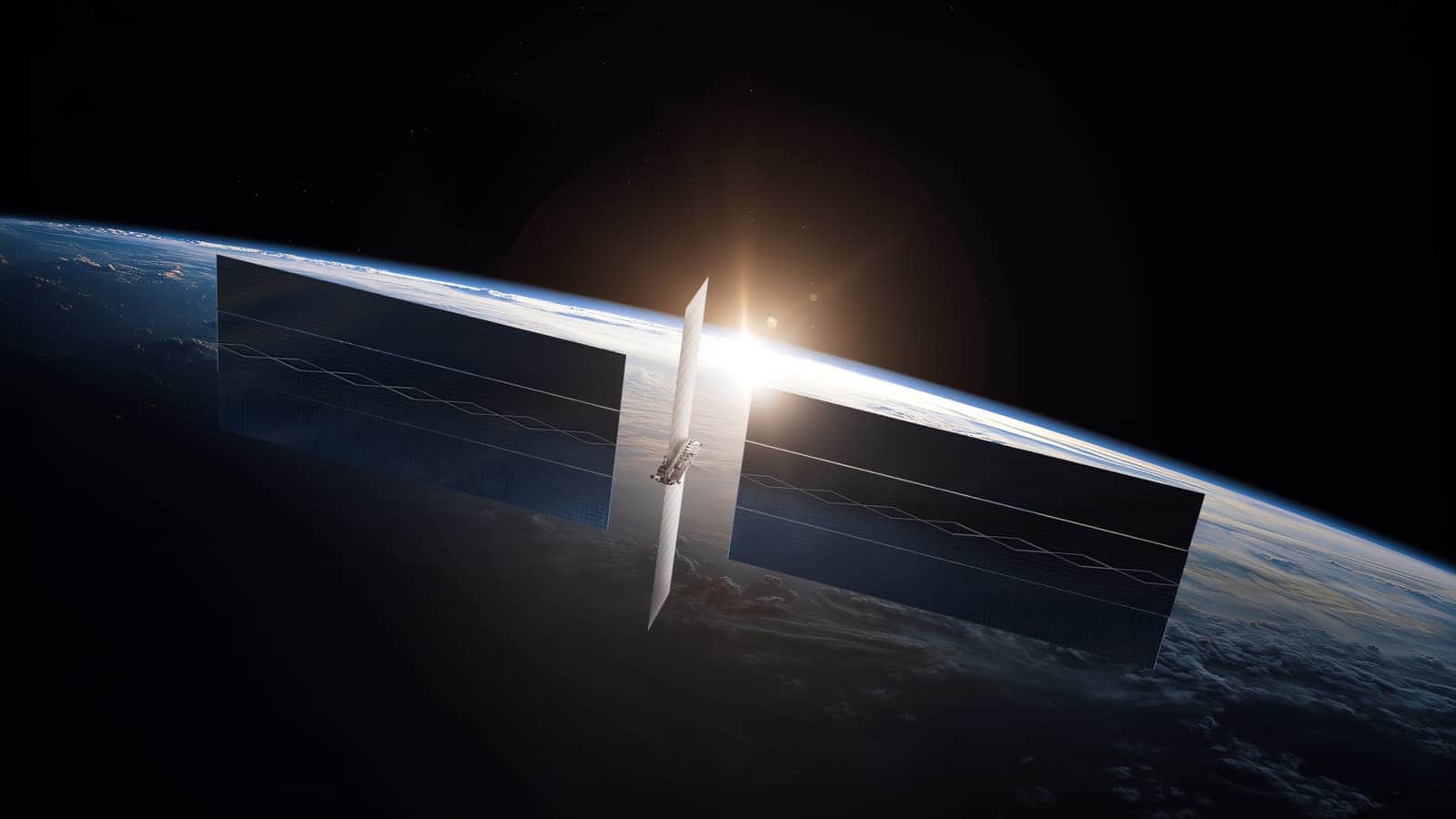
Image: iXBT
SpaceX reported $7.8 billion in revenue for the second quarter of 2026, beating analysts' estimate of about $6.93 billion. But the company still posted a $541 million net loss, even as Elon Musk outlined plans spanning satellite connectivity, AI infrastructure and an aggressive Starship launch schedule.
The results came during SpaceX’s first quarterly investor conference since its public-market debut. Starlink generated $4.3 billion of the quarter’s revenue, while the SpaceXAI division contributed $2.6 billion. The loss was substantially smaller than the nearly $2 billion analysts had expected.
Starlink Mobile targets US carriers
Musk said Starlink Mobile is intended to compete directly with AT&T, Verizon and T-Mobile, rather than serve only as an emergency connection outside conventional coverage. That positioning is consistent with SpaceX’s earlier plans for the service, which is already being piloted in Italy with Fastweb and Vodafone for standard 4G phones.
SpaceX is also considering compact base stations connected to the Starlink network. The company says that approach could reduce the cost of building traditional cellular infrastructure, although the conference did not provide pricing, launch timing or coverage targets for a US Starlink Mobile rollout.
SpaceXAI expands beyond Grok
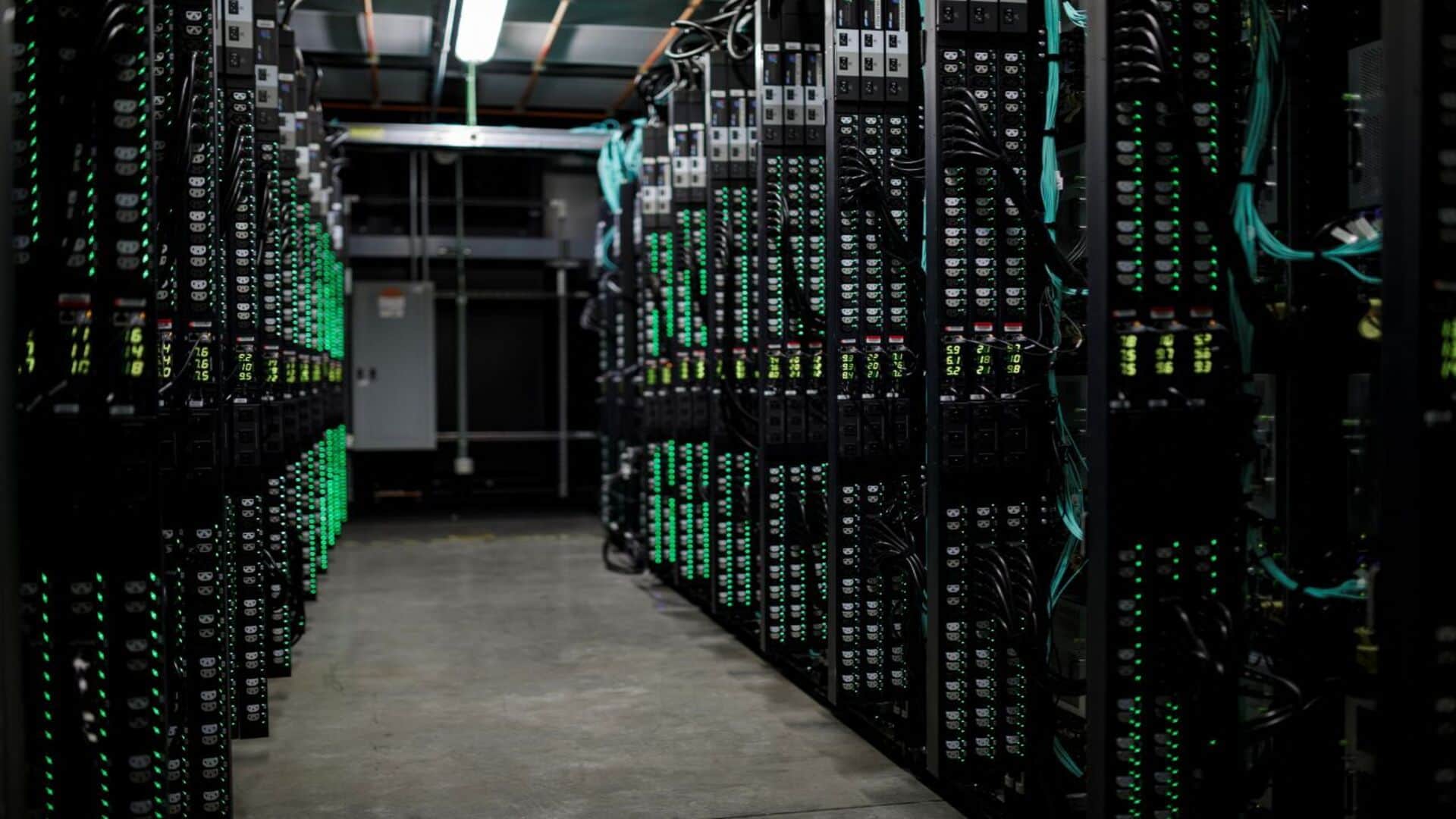
SpaceX plans to increase the combined computing capacity of its data centers to 2 gigawatts by the end of 2026 and nearly 10GW by the end of 2027. The infrastructure is being designed to scale eventually to 20GW of power and cooling capacity.
Recommended reading
AMD’s AI surge exposes a risky customer bet
The company’s chief financial officer said SpaceX had already signed $6.7 billion in cloud contracts during the first weeks of the third quarter. Only about 10% of SpaceXAI’s computing capacity is being used to train new versions of Grok; most of it is allocated to cloud AI services and customer workloads.
Musk also highlighted a looming memory shortage for AI systems. He estimated that global memory production is growing by roughly 20% annually, while demand is increasing by about 200% per year or faster. Those figures were presented as his assessment during the conference, not as an independently verified benchmark in the report.
Starship schedule and the $1 trillion forecast
Musk said SpaceX could reach a launch cadence of one Starship flight per day by 2027. The company still plans its first crewed lunar landing for 2028.
He also forecast that SpaceX’s annual revenue could reach $1 trillion by 2030. That target would require a dramatic expansion across Starlink, cloud AI, satellite mobile service and launch operations. The current results show strong revenue growth and a smaller-than-expected loss, but they do not yet establish a path to that forecast.
Enterprise Editor
Marcus follows the money. He covers enterprise software, cloud architecture, and the tectonic shifts in Big Tech strategy. He translates dense earnings calls and complex M&A activity into actionable insights about where the industry is actually heading. If a tech giant makes a silent pivot, Marcus is usually the first to notice.
via iXBT