

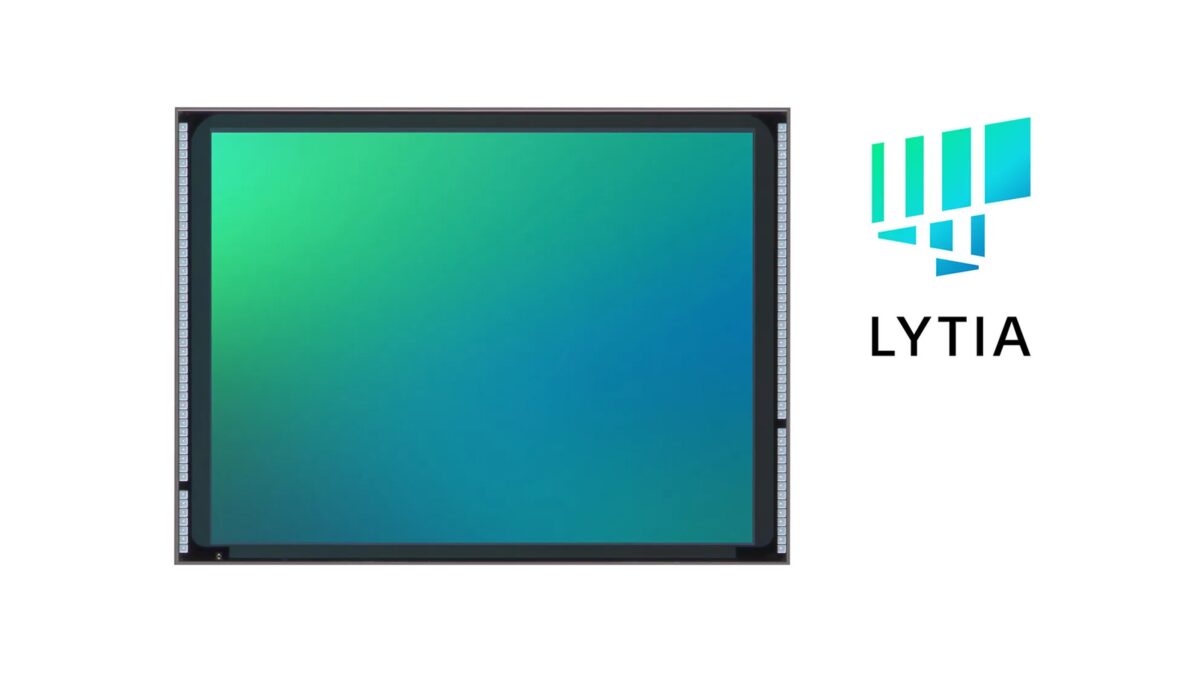
Sony has unveiled the LYTIA 610, a new 64-megapixel smartphone sensor built to make telephoto cameras sharper without hurting autofocus. The pitch is straightforward: better detail, faster readout, and cleaner switching in multi-camera phones. In a market where zoom modules often get the leftovers after the main camera grabs the spotlight, that is a very sensible place to spend silicon.
The Sony LYTIA 610 is a 1/2-inch CMOS sensor with a pixel size of 0.7 µm, and Sony says its RB2x2 On Chip Lens structure is being used at scale for the first time. The company claims more than a 20% boost in spatial resolution versus the previous LYTIA 601 while keeping the same pixel size. That kind of gain usually shows up first in the dull-but-important stuff: less mushy zoom shots, fewer compromises in low-light telephoto scenes, and less of that artificial-looking sharpening phones use to fake detail.
Sony LYTIA 610 4K video and faster sensor readout
Sony also says the readout speed is roughly twice as fast as its earlier 1/2-inch sensors. That opens the door to 4K video at up to 120 frames per second, plus 4K 60 fps in HDR. For phone makers, that matters because telephoto cameras are no longer just for stills and portrait blur; they are increasingly expected to behave like proper video tools too, especially in flagship devices that want a unified camera experience.
Competitors have been pushing hard on this front. Samsung and OmniVision have both spent the last few product cycles trying to make smaller smartphone sensors behave less like compromises and more like premium imaging parts, while Apple has leaned heavily on multi-camera consistency across lenses. Sony’s play here is to improve the one area users notice immediately: zoom shots that do not fall apart the moment the light drops or the subject moves.
Multi-camera phones get a cleaner handoff
The LYTIA 610 is also designed for phones with multiple rear cameras, where color and exposure mismatches can make lens switching look clumsy. Sony says the sensor should reduce differences between the main and secondary modules and make transitions smoother during video recording. That is a practical feature, not a flashy one, which is usually how good camera hardware ends up being judged anyway.
Mass production of the LYTIA 610 is set to begin before the end of June 2026. The real test will come when handset makers decide where to use it: as a premium telephoto upgrade, a midrange zoom boost, or just another spec-sheet trophy. My bet? The first phones using it will sell the zoom story hard, because after years of main-camera arms races, telephoto finally has a part worth bragging about.