

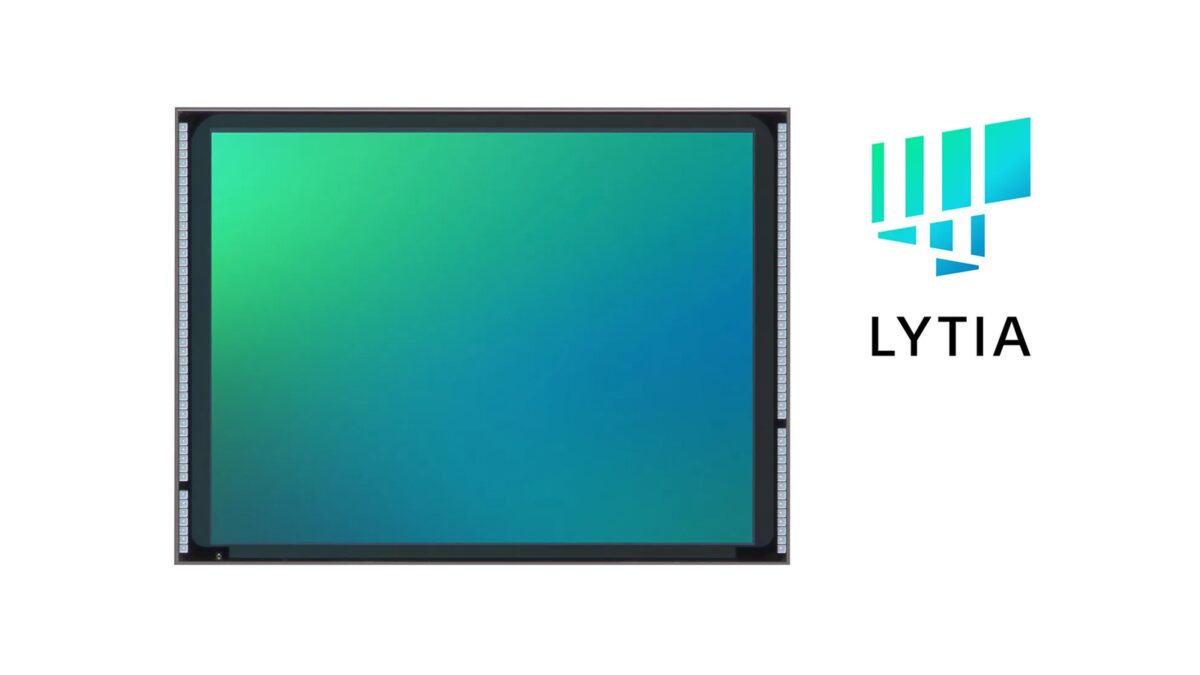
Sony has introduced the LYTIA 610, a new smartphone image sensor built to make telephoto cameras look sharper without kneecapping autofocus. The 64-megapixel, 1/2-inch CMOS sensor also targets video capture, with faster readout and support for 4K at 120 frames per second plus 4K 60 fps HDR.
The pitch is straightforward: more detail, less compromise. Sony says the sensor’s RB2x2 On Chip Lens structure boosts spatial resolution by more than 20% versus the previous LYTIA 601 while keeping the same 0.7-micron pixel size. That kind of improvement usually matters most in longer focal lengths, where cheap sharpening tricks tend to fall apart fast.
RB2x2 On Chip Lens and 64 megapixels
LYTIA 610 is designed around a 64-megapixel sensor with a 1/2-inch CMOS format, putting it squarely in the class of parts phone makers use for telephoto modules rather than main cameras. Sony says the new pixel structure is being used at scale for the first time here, with the goal of improving both image detail and phase-detection autofocus performance.
That matters because telephoto cameras often get blamed for being the awkward sibling in a phone’s camera setup: useful on paper, softer in practice, and slower to focus than the main shooter. Sony is trying to fix that equation by squeezing more resolution out of the same pixel pitch instead of chasing a bigger sensor and forcing handset designers to redesign everything around it.
- Resolution: about 64 megapixels
- Sensor size: 1/2-inch CMOS
- Pixel size: 0.7 microns
- Spatial resolution gain: more than 20% versus LYTIA 601
Faster readout for 4K video
Speed is the other half of the story. Sony says readout is roughly twice as fast as its previous 1/2-inch sensors, which opens the door to 4K video at 120 fps and 4K 60 fps HDR. That combination should help reduce motion artifacts and make the sensor more attractive for phones that want telephoto video to look less like an afterthought.
The company also says the sensor is tuned for multi-camera systems, reducing the visual gap between the main and secondary modules and making transitions smoother while recording. That is the kind of detail phone makers love to put in launch slides, because consumers notice ugly camera switching immediately and never forgive it.
Mass production starts before June 2026
Mass production of the LYTIA 610 is set to begin before the end of June 2026, so it should not stay in Sony’s lab for long. The bigger question is which brands use it first, and whether they pair it with periscope hardware or slimmer telephoto designs that can finally deliver cleaner zoom without turning the camera bump into a small skyscraper.