

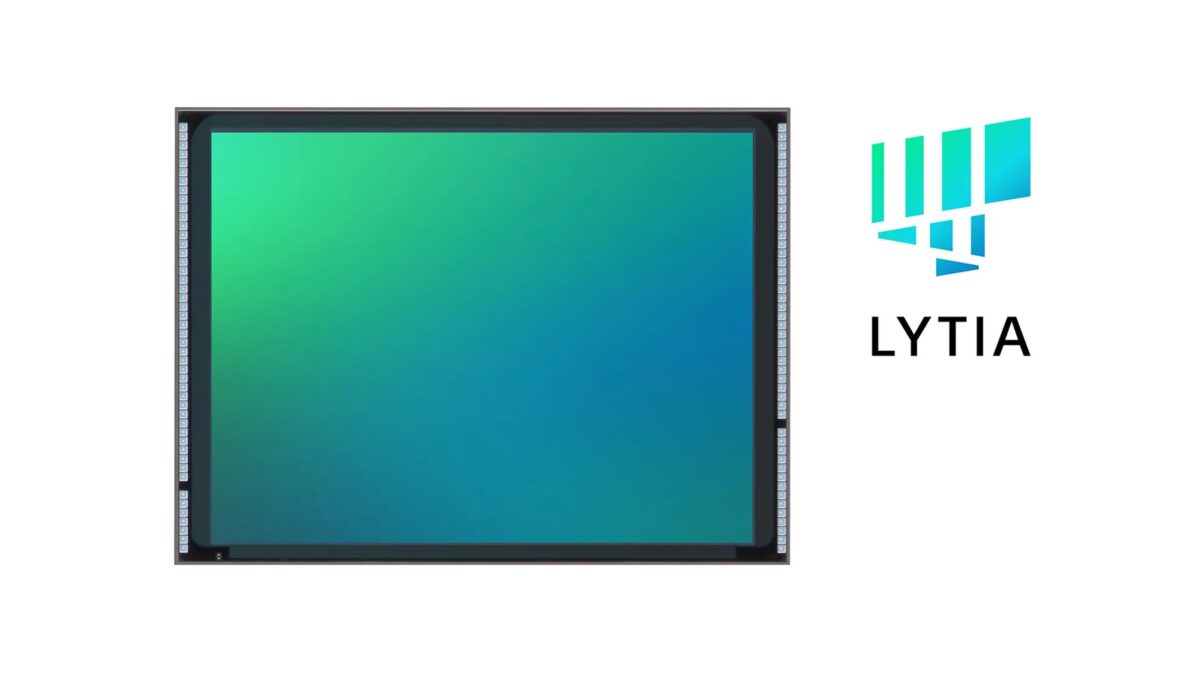
Sony has introduced the LYTIA 610, a new 1/2-inch smartphone image sensor built to give telephoto cameras sharper stills and cleaner video without turning autofocus into a casualty. The 64-MP part is aimed at exactly the kind of zoom module phone makers keep promising to improve, and it arrives with a faster readout, higher spatial resolution, and support for 4K capture at up to 120 fps.
The interesting bit is not just the megapixel count. Sony says the sensor uses its RB2x2 On Chip Lens pixel structure for the first time at mass scale, which is designed to improve detail and phase detection autofocus at the same time. That matters because zoom cameras often get sharper on paper and mushier in motion; the whole point here is to push the hardware past that trade-off.
LYTIA 610 specs and speed
The LYTIA 610 uses a 1/2-inch CMOS design with around 64 MP and 0.7-micron pixels. Sony says the new structure delivers more than a 20% increase in spatial resolution versus the previous LYTIA 601 while keeping pixel size unchanged.
- Sensor size: 1/2-inch CMOS
- Resolution: about 64 MP
- Pixel size: 0.7 microns
- Readout speed: about 2x faster than earlier 1/2-inch Sony sensors
- Video: 4K up to 120 fps, 4K 60 fps HDR
What the Sony LYTIA 610 changes for phone makers
Faster readout is the quiet headline here. It should help reduce rolling-shutter pain and make high-frame-rate video more realistic for mid- and high-end phones, where telephoto modules are increasingly expected to do more than crop and pray.
Sony also says the sensor is tuned for multi-camera systems, with less visible mismatch between the main camera and the extra modules. That should make switching lenses during video feel less jumpy, which is one of those unglamorous details that separates a decent camera app from a mildly irritating one.
Mass production starts before the end of June
Mass production of the LYTIA 610 is scheduled to begin before the end of June 2026. The bigger question is how quickly handset brands will adopt it: Sony has the spec sheet advantage, but smartphone makers still decide whether a sensor becomes a flagship talking point or just another line item in a press release.