• 3 min read
SF mayor seeks tougher Waymo rules after July 4 gridlock
San Francisco Mayor Daniel Lurie wants California to tighten autonomous vehicle rules after stranded Waymo robotaxis worsened major traffic jams.
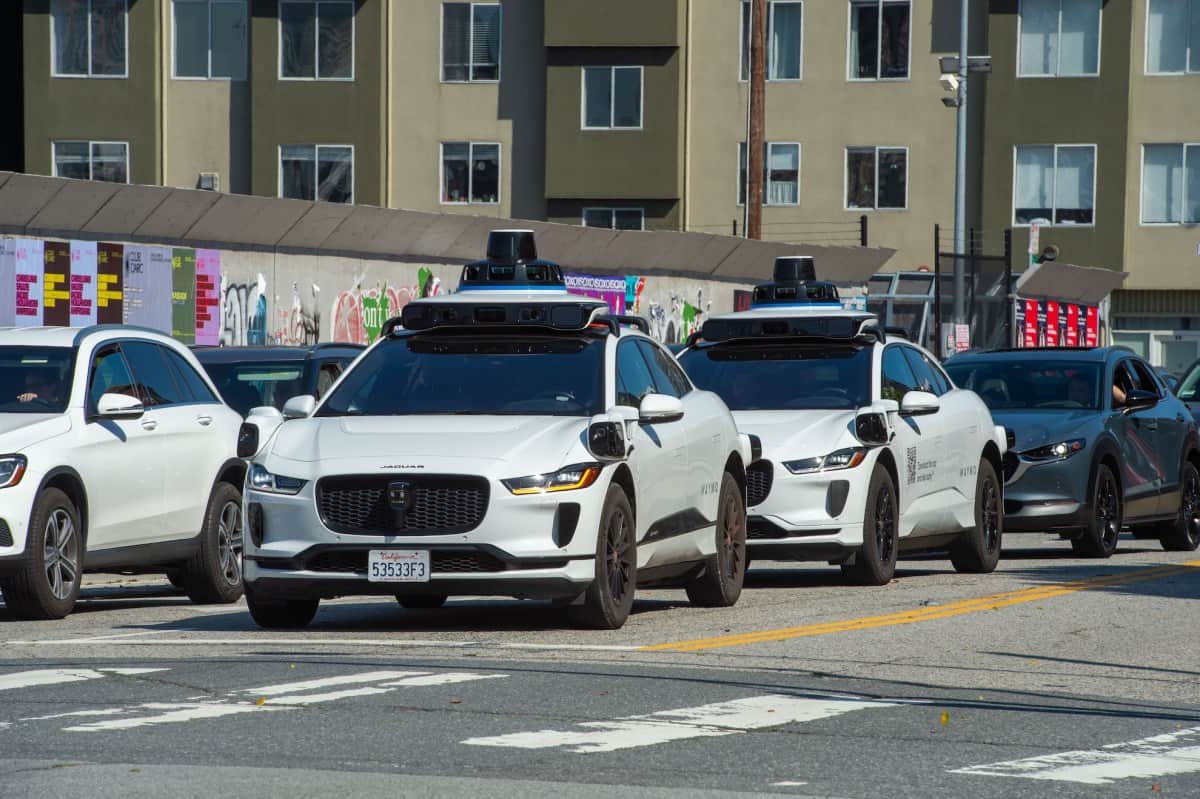
Image: TechCrunch
San Francisco Mayor Daniel Lurie is urging California regulators to tighten oversight of autonomous vehicles after Waymo robotaxis became stuck in heavy July 4 traffic, ran out of power, and blocked major streets for hours.
In a letter to the state Department of Transportation viewed by TechCrunch, Lurie pointed to two recent incidents: a widespread power outage in December and the Golden Gate Bridge fireworks show on July 4, which drew 100,000 spectators. He said both events left dozens of Waymo vehicles stranded and helped paralyze traffic across the city, including municipal shuttles.
“demonstrated that California’s current regulatory framework does not adequately address how autonomous vehicles operate during major incidents, planned or not. California’s challenge now is not just whether autonomous vehicles can operate safely under normal conditions, but also whether they can perform reliably during extraordinary ones.”
Lurie asked the state to set statewide standards around four core operational capabilities for robotaxi operators. Under his proposal, companies would need to:
- Immediately remove or relocate immobile robotaxis from active travel lanes
- Adapt service in real time, including routes, service areas, and pickup and drop-off points
- Share real-time operational data with local agencies, including disruptions, vehicle locations, and recovery efforts
- Demonstrate through testing that their systems can handle surges in traffic and large crowds
TechCrunch said it contacted Waymo for comment and would update the story if the company responds.
California permits and Waymo’s scale
Operating a robotaxi service in California requires separate testing and deployment approvals from both the Department of Motor Vehicles and the Public Utilities Commission. The state’s framework is already stricter than in places like Texas and Arizona, but California remains a major hub for autonomous vehicle development.
Recommended reading
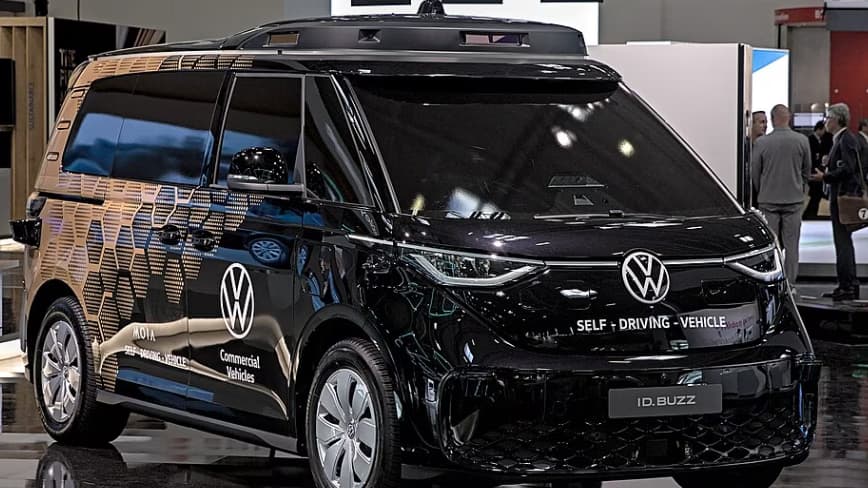
Volkswagen puts ID Buzz robotaxis on Hamburg streets
The broader San Francisco and Silicon Valley region has long served as a test bed for the technology. Six companies, including Nuro, Waymo, and Zoox, hold driverless testing permits. Commercial service requires additional approvals.
Waymo is the biggest player, with an estimated 1,000 robotaxis in the Bay Area. The company says it now operates in 11 cities and provides more than 500,000 paid rides every week. Other companies are still testing or preparing launches, including Amazon-owned Zoox and a premium robotaxi service to be operated by Uber.
Tesla, despite branding its own service as robotaxi, does not operate driverless vehicles in San Francisco and does not have the permits to do so. Instead, it holds a charter transportation permit that allows human drivers to transport riders in vehicles using its advanced driver assistance system.
Lurie noted that Waymo had voluntarily restricted service near the waterfront on July 4 and stationed a representative at the city’s emergency center. But he said those steps failed to prevent vehicles from getting trapped outside that zone, and argued voluntary measures are no longer enough as the fleet grows.
His conclusion was blunt: stronger rules, he said, “will not undermine autonomous vehicles; they will strengthen them.”

Frontier Editor
Dan is our resident futurist, covering electric mobility, space exploration, and the smart home. He's interested in atoms just as much as bits. Whether it's a new battery chemistry, a reusable rocket, or a protocol that finally makes IoT devices talk to each other, Dan breaks down the engineering that pushes humanity forward.
via TechCrunch