• 2 min read
Samsung says its next foldables cut the screen crease
Samsung has unveiled Flex Titanium ahead of Galaxy Unpacked, promising stronger foldable displays with reduced crease visibility.
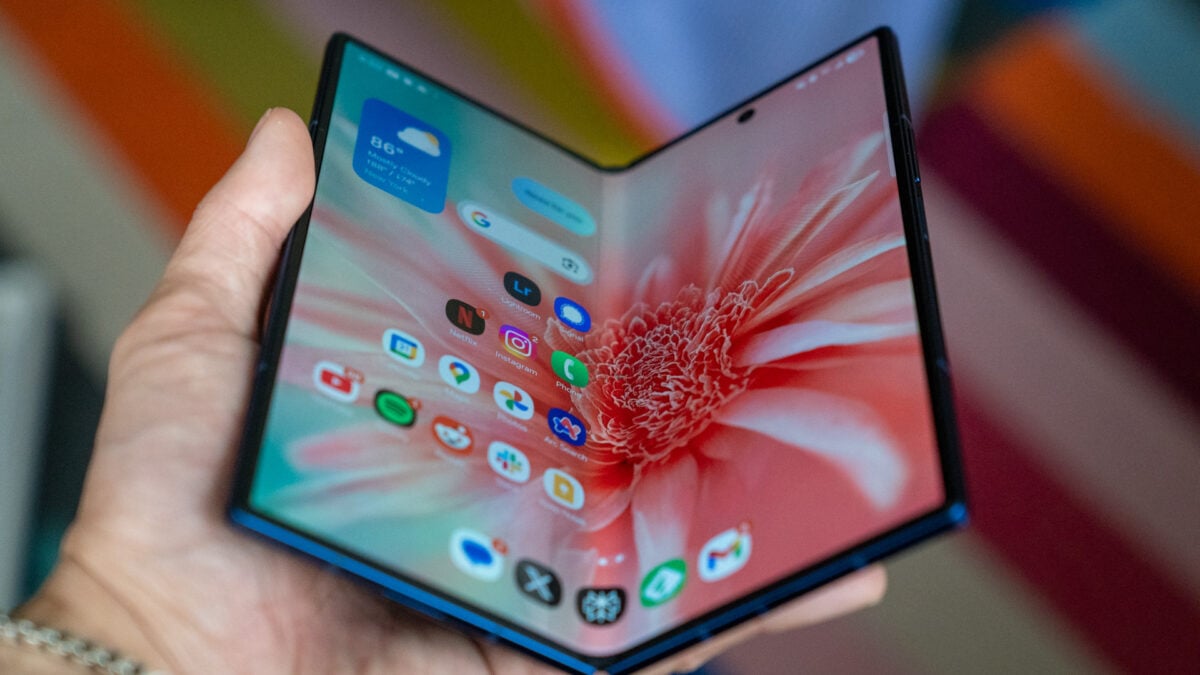
Image: Gizmodo
Seven years into its foldable push, Samsung says it has addressed one of the biggest complaints about the category: the visible screen crease.
A week before its Galaxy Unpacked event in London, Samsung announced Flex Titanium, a new display structure for foldables that it says improves durability while making the crease less noticeable. The company confirmed the technology will appear in its next foldables, which are expected to be the Galaxy Z Flip 8, Z Fold 8, and Z Fold Ultra.
According to Samsung, Flex Titanium combines a titanium-alloy film with a titanium plate to “balance slimness, flexibility, and strength within the foldable display structure.” The company says the design better withstands shock, making the screens stronger and delivering “reduced crease visibility.”
Recommended reading
Apple ends unlocked iPhone workaround on carrier financing
That wording matters. Samsung is not claiming the crease is gone entirely, only that it is less visible. Rival phone makers have taken a similar approach. Oppo, for example, markets the Find N6 as having a “zero-feel crease,” though Gizmodo notes the crease is still not completely invisible in person.
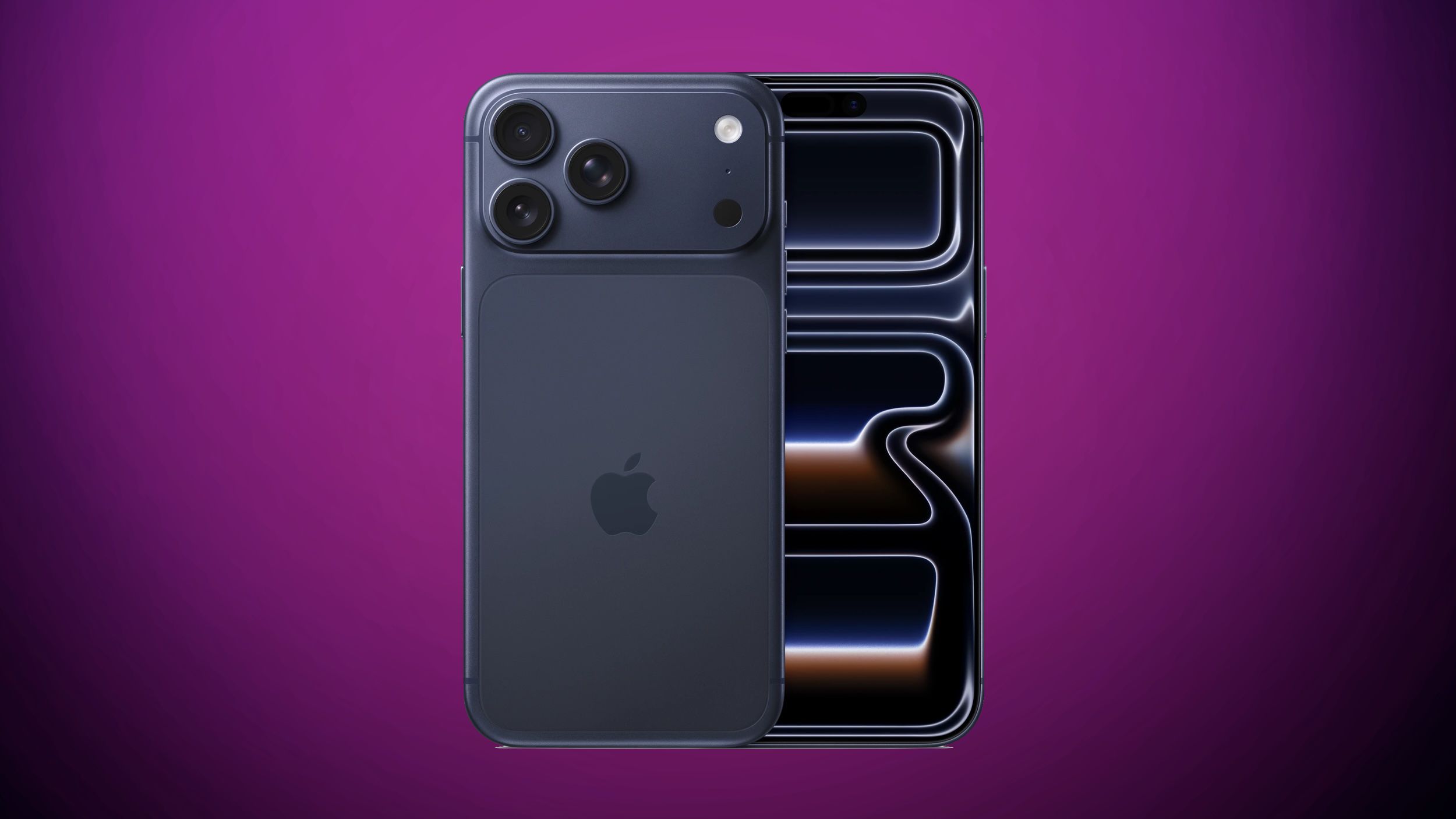
Samsung also appears unusually open to more competition in foldables, including from Apple. Gizmodo points to reports that Samsung Display has signed a three-year deal to supply Apple with foldable screens for an “iPhone Ultra.”
“I think it’s more than welcome because when the other competitors and other companies join the market, this market will be standard and the owners will increase…. We really welcome the big competitor joining this market… We mean it, we love other companies to join this market,” said Byung Duk Yang, Samsung Display EVP & Core Component Technology Team.
The bigger challenge may be price. Gizmodo says Apple’s first foldable is expected to start at a minimum of $2,000, and rising memory and storage costs could push that even higher. Even with a less visible crease, that leaves foldables facing the same obstacle they have had for years: getting mainstream buyers to pay flagship-plus prices for a phone category still trying to prove itself.

Gadgets Editor
Eli is obsessed with the tangible future. He reviews phones, wearables, and everything with a battery. Known for his rigorous testing protocols and unabashed teardowns, Eli has broken more review units than he cares to admit, all in the name of discovering the truth about durability and repairability.
via Gizmodo