• 2 min read
Samsung’s 2nm chips pass 60% yield as foundry profit nears
Samsung Foundry may finally be turning its long-expensive chip business into a profit machine. The company’s 2nm production yield has climbed above 60%, orders are picking up, and South Korea’s Chosun says the unit could
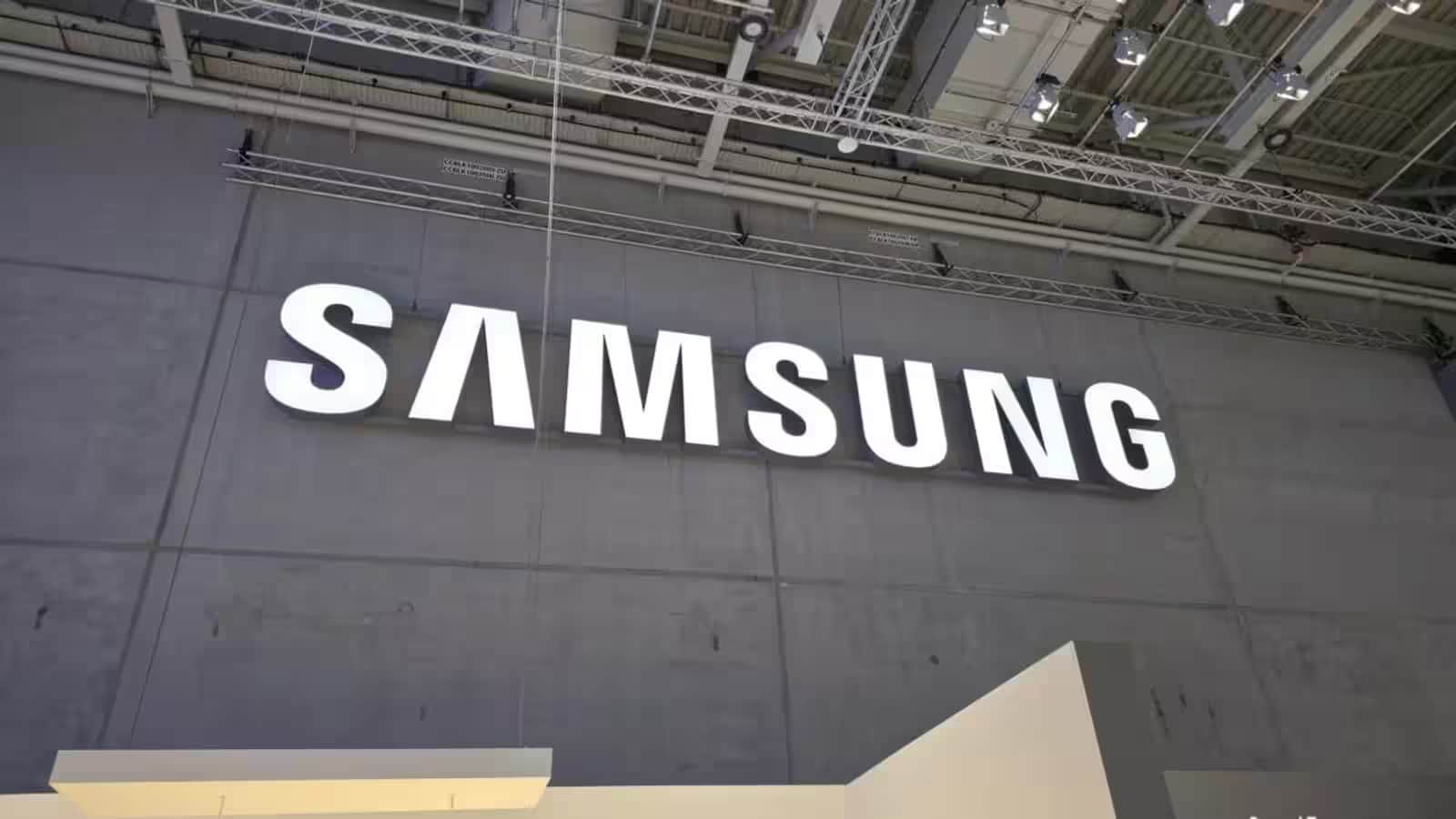
Image: ixbt.com
Samsung Foundry may finally be turning its long-expensive chip business into a profit machine. The company’s 2nm production yield has climbed above 60%, orders are picking up, and South Korea’s Chosun says the unit could swing back into profit in the third quarter of 2026, roughly three months earlier than Samsung had previously expected.
That is a meaningful shift for a division that has spent years burning money on advanced fabs while chasing TSMC at the high end of contract manufacturing. If Samsung can keep the line moving toward 70% yield, the economics of mass production improve fast, and the company gets a better shot at converting hype into actual margin.
Samsung 2nm yields are finally moving in the right direction
The headline number is simple: Samsung says its 2nm yield is already above 60% and edging toward 70%, the level generally considered good enough for efficient large-scale manufacturing. For a process node this advanced, that is the difference between “promising” and “send the accountants in.”
Samsung’s internal expectation is also for 2nm orders to rise about 130% in 2026 compared with the previous year. That suggests customers are warming to the process faster than the company had banked on, which is especially important in a market where one weak node can poison confidence for the next one.
Recommended reading
Canon may launch three EOS R cameras in 2026
Tesla, HBM4, and the pull of AI demand
New business is doing part of the heavy lifting. Samsung recently secured a chip manufacturing deal with Tesla worth about $16.5 billion, and it is also being linked with possible work for Nintendo, Apple, and Nvidia. None of those names needs a marketing pitch; they are the kind of customers that help a foundry book volume and credibility at the same time.
There is also a second tailwind: base dies for HBM4 memory. As AI systems, accelerators, and modern data centers keep pulling more high-bandwidth memory into their designs, Samsung gets a shot at revenue that is less dependent on any single consumer launch cycle. That is a useful buffer, especially after years in which the company’s foundry arm was more famous for losses than leverage.
TSMC still sets the bar for advanced foundry production
Samsung still has a long way to go before anyone calls this a victory lap. TSMC remains the benchmark in advanced contract manufacturing, and Samsung’s challenge is not just getting yields higher, but keeping them there while filling enough capacity to justify the capital it has already sunk into new factories. The upside, if this holds, is obvious: 2026 could be the first year in a long stretch where Samsung Foundry stops being a drag and starts behaving like a serious rival again.
Computing Editor
Tomas lives in the terminal. He covers chips, laptops, and operating systems with a focus on performance and efficiency. He reads kernel changelogs the way other people read fiction, and he's always on the hunt for the perfect mechanical keyboard switch. If it processes data, Tomas has an opinion on it.
via ixbt.com