• 2 min read
Pratt & Whitney gets 200 kWh battery for Dash 8-100 hybrid tests
Pratt & Whitney Canada has received a certified-ready 200 kWh battery energy storage system from Swiss electric aviation specialist H55, clearing a major hurdle in the RTX Hybrid-Electric Flight Demonstrator program. The
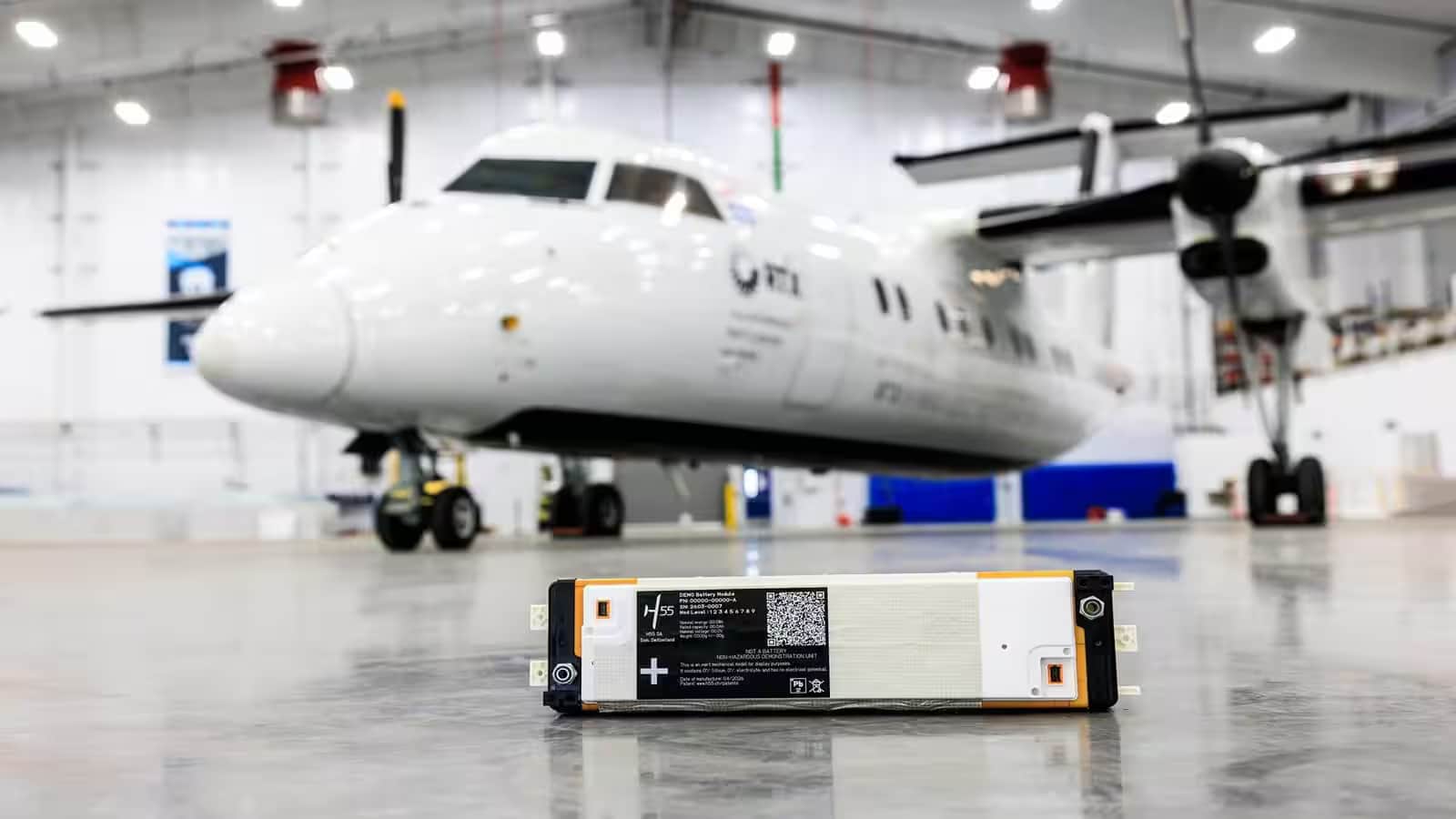
Image: ixbt.com
Pratt & Whitney Canada has received a certified-ready 200 kWh battery energy storage system from Swiss electric aviation specialist H55, clearing a major hurdle in the RTX Hybrid-Electric Flight Demonstrator program. The pack will be installed on a modified De Havilland Canada Dash 8-100, where it will help test a parallel hybrid setup that pairs a turboprop engine with an electric motor rated up to 1 MW.
The goal is straightforward and ambitious: cut fuel burn and carbon dioxide emissions by about 30% compared with current regional turboprops in the same class. That is the kind of number airlines notice, especially in short-haul operations where efficiency gains can move the economics as much as the climate math.
How the Dash 8-100 hybrid system is built
The demonstrator combines three pieces: a conventional turboprop engine, an electric motor, and H55's traction batteries. Pratt & Whitney Canada and Collins Aerospace, both part of RTX Corporation, are handling the aircraft-side integration, while the battery modules come from H55's certified production line in Montreal.
Recommended reading
Hyundai separates Atlas plans from strike talks
- Battery capacity: 200 kWh
- Electric motor output: up to 1 MW
- Test aircraft: De Havilland Canada Dash 8-100
- Target reduction: about 30% in fuel use and CO2 emissions
Battery safety is the real gatekeeper
Hybrid aviation has never been blocked by enthusiasm. It has been blocked by certification, and especially by the problem of lithium battery safety under flight conditions. H55 says each cell is monitored individually and that its isolation system is designed to contain faults before thermal runaway can spread, which is exactly the kind of engineering regulators want to see before they sign off on commercial use.
The company’s pitch leans heavily on its Solar Impulse roots and more than 2,000 hours of safe flight experience on electric aircraft, though scaling from light aviation to a regional turboprop is a different beast. That’s also why the demonstrator matters: real aircraft integration is where clean-tech optimism usually runs into certification paperwork, vibration, heat, and all the other fun of actual aviation.
What happens before first flight
Pratt & Whitney Canada has already completed full-power ground testing of the propulsion system. The next phase moves integration work to AeroTEC, which will prepare the aircraft for flight testing at Jacksonville Airport in the U.S.
If the Dash 8-100 campaign performs as advertised, it could give regional operators a practical roadmap for lower-emission short-haul flying without waiting for a full clean-sheet aircraft. The bigger question is whether the certification path moves as fast as the hardware does.
Frontier Editor
Dan is our resident futurist, covering electric mobility, space exploration, and the smart home. He's interested in atoms just as much as bits. Whether it's a new battery chemistry, a reusable rocket, or a protocol that finally makes IoT devices talk to each other, Dan breaks down the engineering that pushes humanity forward.
via ixbt.com