• 2 min read
Pogačar gets a 3D-printed saddle and AI helmet
Tadej Pogačar’s 2026 Tour campaign features a pressure-mapped 3D-printed Fizik saddle and an AI-designed Helmetverse helmet.
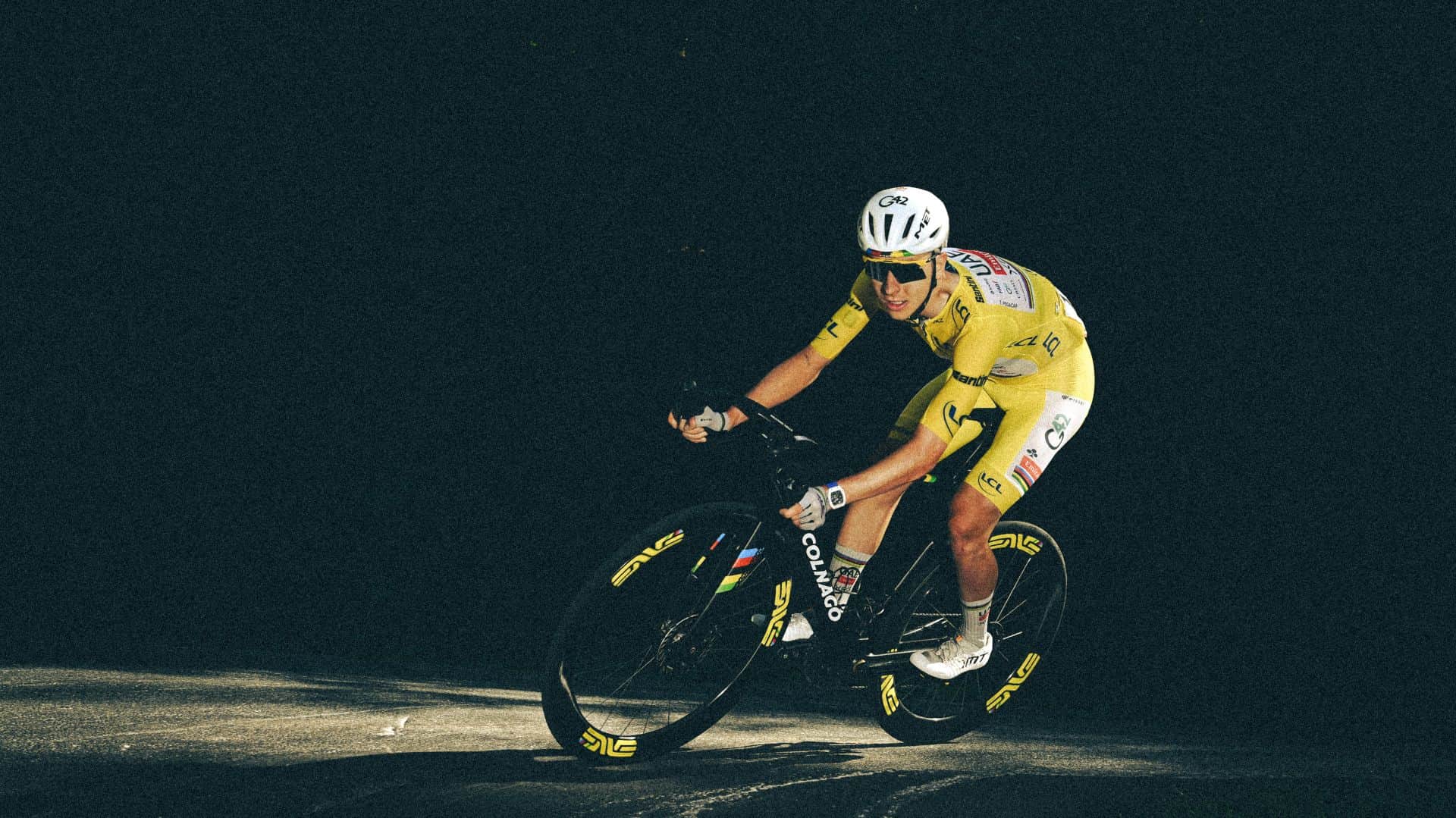
Image: TechRadar
Tadej Pogačar’s bid for a fifth Tour de France victory comes with highly individualized equipment: a 3D-printed Fizik One-to-One saddle and an AI-designed helmet created for his UAE Team Emirates-XRG squad.
The Slovenian has built a seemingly unsurpassable lead early in the 2026 race, where every second matters. Fizik says the saddle was developed around Pogačar’s anatomy and riding style using the company’s proprietary pressure-mapping sensor technology.
How Fizik customizes Pogačar’s saddle
Unlike a standard molded saddle, the One-to-One system maps how a rider distributes pressure while cycling. That data informs a hyper-customized 3D-printed design intended to improve comfort and, by extension, performance.
“Small details in the technology might make the difference. Comfort is strictly related to performance, as if you are able to forget about this, it’s less thought you need to give while you have to focus on another part of training and racing.” — Alex Locatelli, Head of Brand at Fizik
Recommended reading
Google turns 3,977 emoji into open-source 3D models
Each saddle typically takes two to three weeks to produce, although high-profile riders can receive expedited service. Locatelli said Pogačar has shown unusual enthusiasm for the product, despite being highly demanding of himself and his team.
Pressure-mapping data gathered through the program will also feed into future Fizik products. Locatelli expects broader customization in cycling to expand, though hyper-personalized 3D-printed components may take a few years to reach everyday riders.
Helmetverse helmet debuts at the 2026 Tour
For stage 5, UAE Team Emirates-XRG introduced a helmet designed by Helmetverse, the AI-powered design platform from team sponsor and technology group G42. MET Helmets built the helmet in collaboration with AI artist Gizem Akdag.
Akdag said the design was inspired by “the transition from city to signal and from data to light,” with a visual language intended to convey the speed and flow of professional cycling.
“The reaction to Helmetverse last year showed how passionate cycling fans are about engaging with our sport in new ways. As a team, we are always looking to push boundaries, whether that’s through performance, innovation or fan engagement.” — Mauro Gianetti, Team Principal and CEO of UAE Team Emirates-XRG
Fans can submit helmet concepts, including designs generated with Helmetverse AI. The winning design will be worn by UAE Team Emirates-XRG at the UAE Tour in February 2027.

Design & UX Editor
Yuki believes that a great product is defined by how it feels. She critiques software interfaces, hardware ergonomics, and the philosophy of design in tech. With a background in industrial design, she analyzes the subtle decisions that make tools intuitive or infuriating. She advocates for accessible, human-centric technology.
via TechRadar