• 2 min read
OpenAI’s first hardware is a $230 Codex pad
OpenAI has launched Codex Micro, a limited-run control pad made with Work Louder for managing Codex agents from the desktop app.
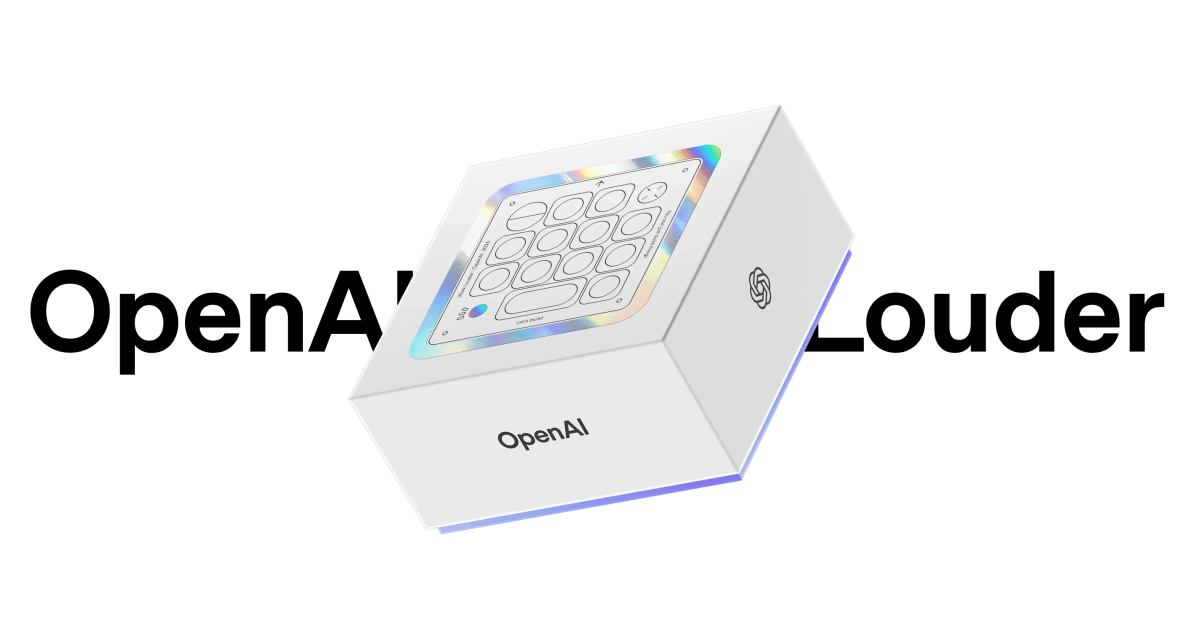
Image: The Verge
OpenAI has released its first hardware product, but not the long-rumored device tied to Jony Ive. Instead, the company is launching Codex Micro, a $230 desktop control pad built with keyboard maker Work Louder for use with Codex.
OpenAI described the device as a limited-run collaboration designed to give users more ways to monitor and manage their agents. It will be sold on Supply Co while supplies last, though the company did not say how many units are available.
The hardware is a square block of controls that closely resembles Work Louder’s Creator Micro 2. Marketing images show what appears to be the same layout: 13 mechanical switches, plus a joystick, dial, and touch sensor. It also looks broadly similar to a separate pad Work Louder made with Figma in 2023.
According to a video from Work Louder cofounder Mike Di Genova, the Micro includes six frosted keys that provide a live view of Codex threads. Different colors indicate task status, including whether a job is complete, needs feedback, is running, or has hit an error.

Recommended reading
Mira Murati’s lab unveils Inkling, a 975B open model
Other controls are aimed at common Codex actions:
- command keys for actions such as push-to-talk, accept or reject changes, and send
- 32 additional keycaps with Codex icons
- a joystick to start common workflows
- a dial to adjust reasoning level
OpenAI says all controls can be configured from the ChatGPT desktop app.
The launch is separate from OpenAI’s main hardware effort with Ive, which remains largely under wraps. Reports have suggested that device could be a kind of smart speaker for talking with ChatGPT and may launch sometime next year. That project is also facing new attention after Apple filed a lawsuit accusing OpenAI of stealing hardware secrets, claims OpenAI said are without merit.

AI Editor
Ava covers the rapidly evolving world of artificial intelligence, from foundational models and research labs to the real-world economics of intelligence. With a background in computational linguistics, she cuts through the hype to find out what actually works. She firmly believes that benchmarks are just marketing until reproduced in the wild.
via The Verge