• 2 min read
Nvidia’s Rubin servers turn to hot-liquid cooling
Nvidia’s Rubin AI servers use 45°C coolant entering and 55°C exiting, potentially saving a 50MW data center over $4 million yearly.
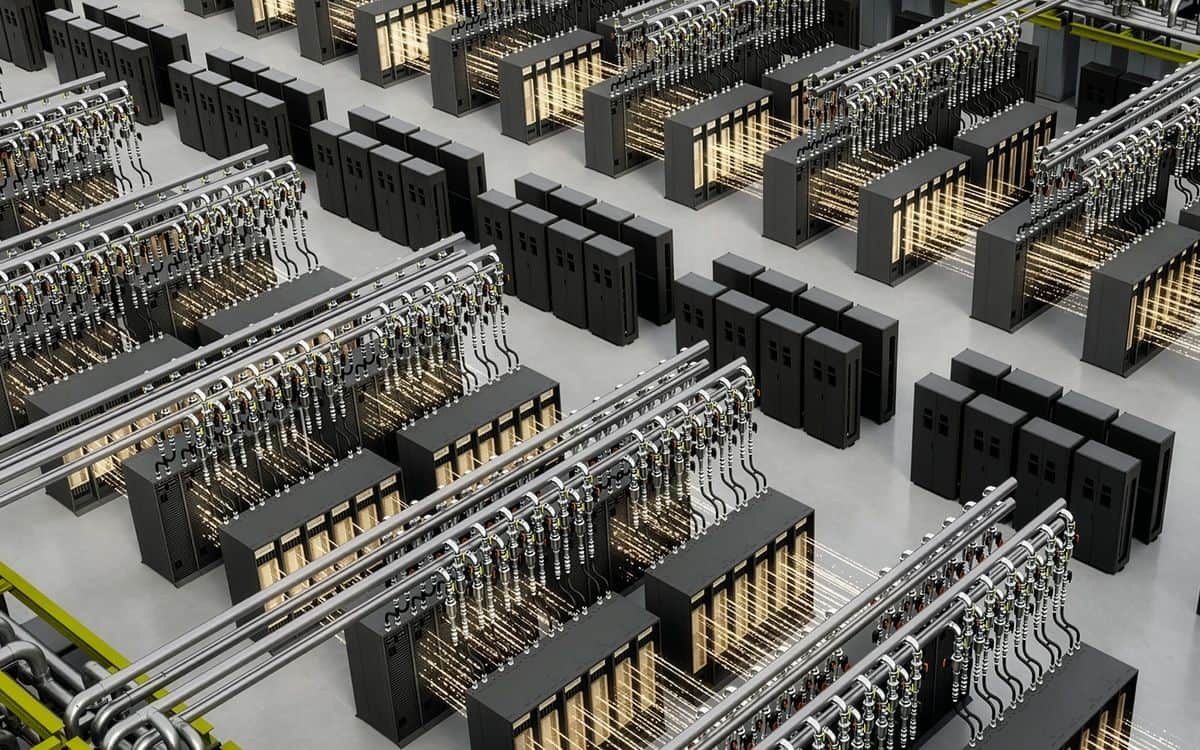
Image: TechRadar
Nvidia’s Rubin-generation AI servers use coolant that can enter a closed loop at up to 45°C and leave at about 55°C—warmer than a hot tub, but without a reported performance penalty.
The system relies on a temperature gradient: server chips remain hotter than the coolant, allowing heat to transfer efficiently. Nvidia’s platform-level reference design makes Rubin the company’s first generation to be 100% liquid cooled, covering every chip and networking component with a closed loop.
How Nvidia’s hot-liquid cooling works
The coolant is a 3:1 mixture of water and propylene glycol. Because the loop does not rely on evaporative cooling 99% of the time, Nvidia says its DSX reference design could bring an AI factory’s water consumption close to zero and reduce the need for industrial chiller plants.

Recommended reading
Microsoft 365 outage disrupts Teams and SharePoint
Nvidia’s approach is not unprecedented. IBM used 60°C coolant to cool a prototype supercomputer at ETH Zurich 16 years earlier, following the same basic principles: lower power consumption, a reduced carbon footprint, and a loop filled once and left in operation. Nvidia’s difference is scale: its Vera Rubin-based DSX design applies the model across an entire facility rather than a single machine.
“The NVIDIA DSX reference design for AI factories has zero water consumption — we have eliminated massive amounts of power usage and pretty much all water usage.”
Industrial chiller plants can cut energy costs by roughly 4% for every degree they raise their operating temperature. Nvidia estimates that a 50-megawatt hyperscale facility could save more than $4 million annually in cooling-related energy and water costs with the design. Cooling can account for as much as 40% of a data center’s total power bill, and the system could also eliminate server fans while allowing chillers to run at lower power.
DSX remains a reference design—a collection of best practices, not a survey of deployed facilities. Many data centers still consume substantial amounts of water, including sites being built in drought-affected regions of the US.
The sustainability benefit is real, but it follows a more fundamental change: Nvidia’s accelerators have become so power-dense that moving air across them is no longer physically viable. Once liquid cooling is required, running the coolant hot becomes the efficient option.

Enterprise Editor
Marcus follows the money. He covers enterprise software, cloud architecture, and the tectonic shifts in Big Tech strategy. He translates dense earnings calls and complex M&A activity into actionable insights about where the industry is actually heading. If a tech giant makes a silent pivot, Marcus is usually the first to notice.
via TechRadar