• 3 min read
Nvidia’s AI security alliance launches first working group
Nvidia’s Open Secure AI Alliance has grown past 120 companies and launched SAFE, its first working group for open AI incident reporting.
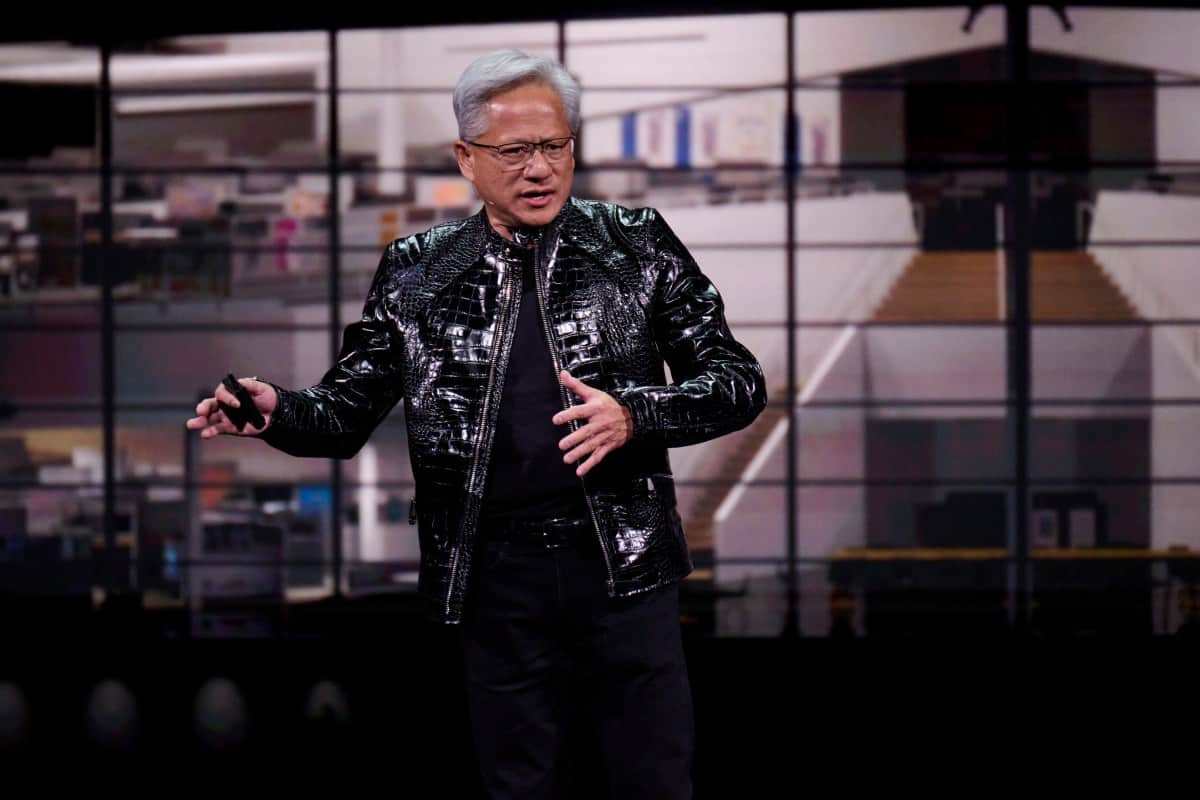
Image: TechCrunch
Nvidia’s open AI security coalition is moving from policy statements to technical proposals just one week after its launch. The Open Secure AI Alliance (OSAA) now has more than 120 member companies and has created its first working group: the Shared AI Findings Exchange, or SAFE.
SAFE is already publishing proposals for public comment, with The Linux Foundation managing the process. Members developed the initial guidelines while meeting at the Black Hat cybersecurity conference in Las Vegas this week.
SAFE focuses on confidential AI incident reporting
The first proposals are practical rather than revolutionary. They outline how organizations should:
- Report AI cybersecurity incidents confidentially
- Alert affected parties
- Conduct blame-free analysis so other organizations can learn from an incident
That framework could eventually become part of an open-source security system for enterprise AI agents. The potential use cases include securing autonomous agents and defending against rogue systems, such as the OpenAI model that recently infiltrated Hugging Face. Hugging Face is itself an OSAA member.
Recommended reading
GLM-5.2 nears the frontier, but safety lags
“Openness may be one of the most important paths to AI safety and security.”
The alliance is also cataloging open-source tools and technologies contributed by its members. Nvidia says it brings an open-model portfolio and Garak, an open-source large language model vulnerability scanner. Other contributions include Okta’s work on agent identity, Red Hat’s agent-governance technology, and Amazon’s Strands Agents development tool and Cedar authorization language.
OpenAI and Google are notable absences
OSAA’s membership includes major companies such as Adobe, BlackRock, Cisco, Intel, Microsoft, and Visa. But Anthropic, OpenAI, and Google are not members, despite OpenAI and Google having signed the open letter that led to the alliance.
That letter, published last week and championed by Nvidia, urged the White House to support open-source AI rather than restrict it. More than 200 technology companies signed it.
Anthropic’s absence is less surprising, according to the report, while OpenAI and Google are more notable because both have released open-weight models. Google is also widely associated with open-source work. Neither company has joined OSAA so far.
A rapid response to US open-model concerns
The alliance formed amid industry concern that the Trump Administration was considering a ban on Chinese open-weight models in the United States. The prospect helped trigger the open letter and a broader debate over how the US should respond to Chinese AI labs.
The OSAA’s early activity gives the coalition more substance than a typical industry pledge: it has a governance process, draft reporting standards, and contributions from companies building tools for agent identity, authorization, vulnerability scanning, and governance. The guidelines are still preliminary, and the group has not announced a finished security platform or a timetable for one.
For now, the clearest result is speed. A coalition formed around open AI policy has begun assembling shared security practices within a week, while some of the industry’s most prominent open-model companies remain outside it.
AI Editor
Ava covers the rapidly evolving world of artificial intelligence, from foundational models and research labs to the real-world economics of intelligence. With a background in computational linguistics, she cuts through the hype to find out what actually works. She firmly believes that benchmarks are just marketing until reproduced in the wild.
via TechCrunch