• 2 min read
Nvidia H200 shipments reach China under tight US controls
The US has approved limited Nvidia H200 exports to China, with initial shipments reaching several companies in “very small” volumes.
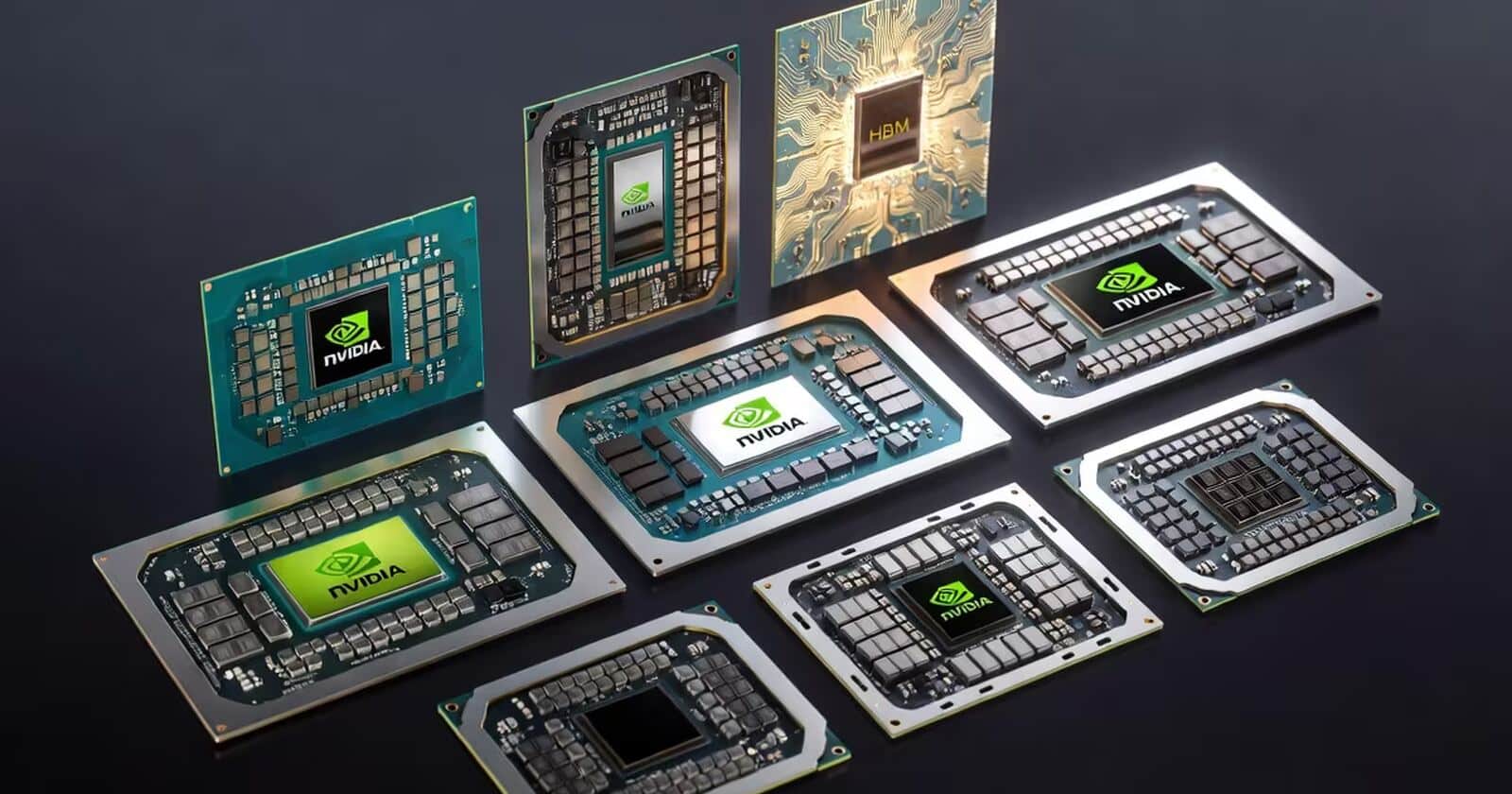
Image: ITzine
The US has authorized limited exports of Nvidia H200 accelerators to China, and initial shipments are already underway. But this is far from an open market: the US Department of Commerce is handling approvals virtually shipment by shipment.
Jeffrey Kessler, the department’s deputy undersecretary for industry and security, told Congress that several Chinese companies have received the chips. Volumes remain “very small,” he said. The department reviews each application individually and has provided lawmakers with confidential data on license recipients.
The move marks a notable shift amid the US-China trade dispute, though it does not amount to lifting export restrictions. Washington previously barred shipments of Nvidia’s most powerful accelerators to China, then revised the rules several times in an effort to curb China’s capabilities while limiting the impact on US companies' sales.

Recommended reading
Visa stablecoin push knocks Circle down 6%
Why the H200 matters in China
The H200, part of Nvidia’s Hopper family, is among the company’s most capable platforms for training and running large models. Demand for computing capacity in China is growing faster than access to leading Western chips, while domestic alternatives still lag in both software and hardware maturity.
That makes even tightly controlled H200 access significant. Chinese cloud providers, telecom companies, and large internet groups continue trying to fill an accelerator shortage. Alibaba, Tencent, and ByteDance are commonly cited as potential buyers, while earlier reporting also mentioned entities linked to ZTE. The potential customer base therefore extends beyond one or two transactions, albeit under strict oversight.
China remains too large a market for Nvidia to ignore. Before tougher export rules, the company generated a significant share of revenue in the country, then had to reshape its product lineup with restricted chips designed to comply with Washington’s requirements.
Mass H200 shipments still appear distant. Future volumes depend on further Commerce Department decisions and how the White House assesses national-security risks. For now, the US is letting powerful accelerators into China only in carefully controlled, very small quantities.

Enterprise Editor
Marcus follows the money. He covers enterprise software, cloud architecture, and the tectonic shifts in Big Tech strategy. He translates dense earnings calls and complex M&A activity into actionable insights about where the industry is actually heading. If a tech giant makes a silent pivot, Marcus is usually the first to notice.
via ITzine