• 3 min read
Nvidia DGX Station for Windows puts 20 petaflops on a desk
Nvidia has turned its DGX Station into a Windows desktop AI machine that sounds less like a PC and more like something hiding in a server rack. The new system is built for local work with large models, including ones wit
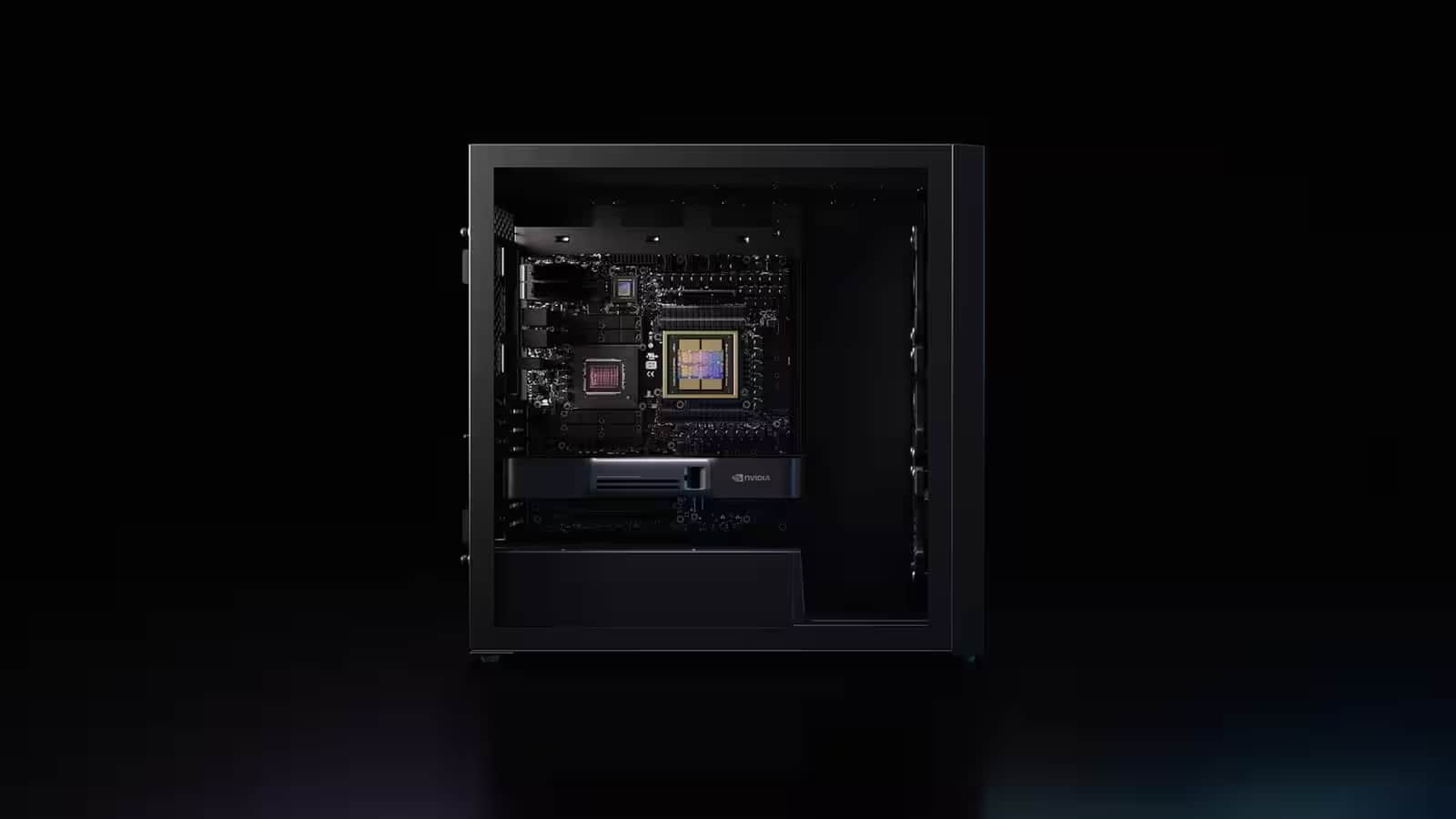
Image: ixbt.com
Nvidia has turned its DGX Station into a Windows desktop AI machine that sounds less like a PC and more like something hiding in a server rack. The new system is built for local work with large models, including ones with up to 1 trillion parameters, and it pushes data-center-style performance into a form factor developers can actually place on a desk.
That pitch is not subtle, and it is not cheap-feeling either. Nvidia is aiming squarely at research teams and AI builders who want to keep heavy workloads off the cloud, where costs and data control can get messy fast. The company is also clearly trying to extend its DGX brand beyond the usual enterprise hardware crowd and into Windows-based workflows that many technical teams still prefer.
GB300 Grace Blackwell Ultra inside the box
At the core is Nvidia’s GB300 Grace Blackwell Ultra platform, pairing a 72-core Grace processor with Blackwell Ultra graphics. Nvidia says the system offers up to 748 GB of shared memory, which is the sort of number that makes ordinary workstations look quaint.
The headline spec is performance: 20 petaflops in FP4. That puts the machine in the kind of territory usually reserved for much larger infrastructure, which is exactly the point. For AI training and inference, memory capacity and low-latency local access can matter as much as raw bragging rights, and this box is built around both.
Recommended reading
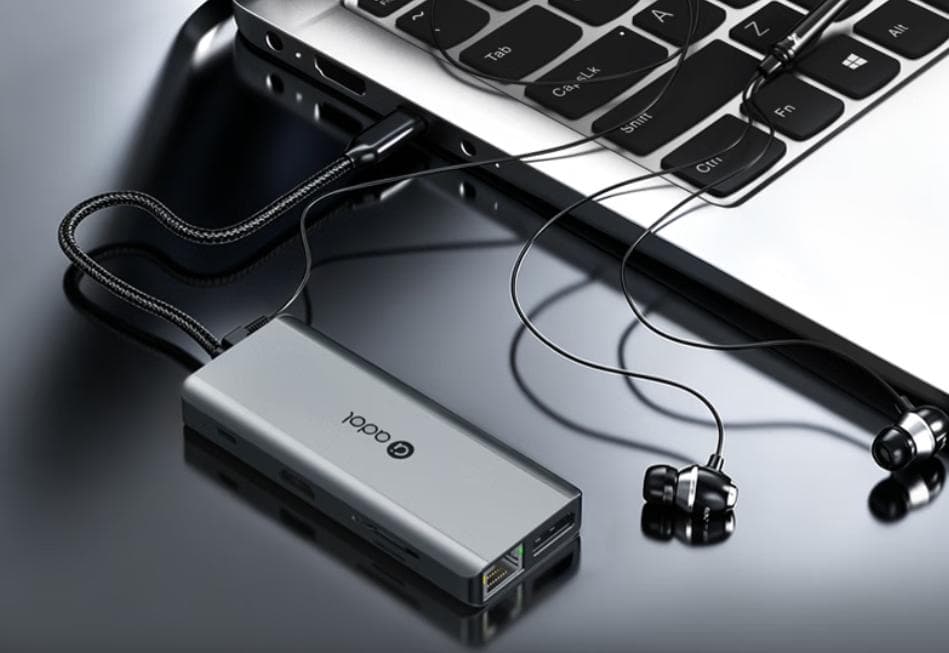
Asus packs 11 ports into an 81-gram dock
RTX PRO 6000 Blackwell support and local AI workloads
If the base configuration is not enough, Nvidia says users can add an RTX PRO 6000 Blackwell graphics card. That gives the system a path for teams that want more headroom without abandoning the desktop format, which is a practical move in a market where AI rigs tend to balloon into full-blown server projects.
- Up to 1 trillion-parameter model support
- 72-core Grace CPU
- Up to 748 GB of shared memory
- 20 petaflops FP4 performance
- Optional RTX PRO 6000 Blackwell expansion
Nvidia says the DGX Station can handle multiple AI agents at once and perform large-scale data analysis locally, without leaning on cloud services. That is a direct shot at the current default approach to AI development, where everything goes through somebody else’s servers and somebody else’s billing page.
Asus, Dell, Gigabyte, HP, MSI and Supermicro will build it
Sales are expected in the fourth quarter of 2026, and Nvidia is not keeping production to itself. Asus, Dell, Gigabyte, HP, MSI, and Supermicro are lined up to manufacture the system, which suggests Nvidia wants the DGX Station to show up as a recognizable enterprise option rather than a one-off showcase box.
The bigger question is how many teams really need a Windows desktop AI machine with this much silicon muscle. For some, cloud AI will still be easier. For others, especially those handling sensitive data or iterating constantly on large models, a local machine like this could be the cleaner bet – and a very loud one.

Computing Editor
Tomas lives in the terminal. He covers chips, laptops, and operating systems with a focus on performance and efficiency. He reads kernel changelogs the way other people read fiction, and he's always on the hunt for the perfect mechanical keyboard switch. If it processes data, Tomas has an opinion on it.
via ixbt.com