• 3 min read
NASA chief says no evidence of alien wreckage or bodies
NASA has not found any documented evidence of crashed alien spacecraft or extraterrestrial bodies, according to agency chief Jared Isaacman. Speaking at the CNBC CEO Council Summit in Washington, he drew a clean line bet
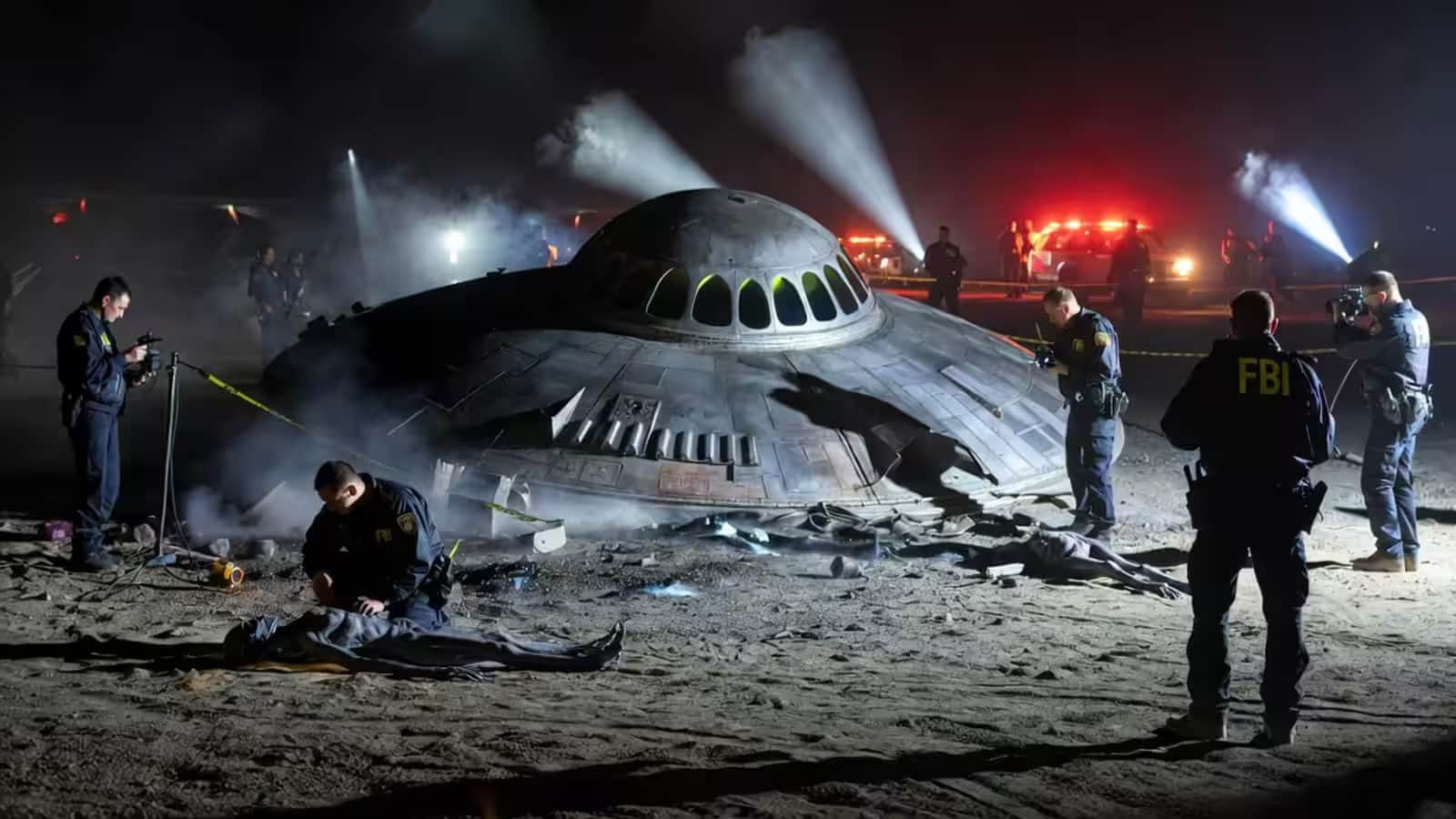
NASA has not found any documented evidence of crashed alien spacecraft or extraterrestrial bodies, according to agency chief Jared Isaacman. Speaking at the CNBC CEO Council Summit in Washington, he drew a clean line between internet-grade UFO mythology and the far less dramatic reality of government files on unexplained objects. The message was blunt: there are records of unidentified aerial phenomena, but no verified proof of little green leftovers.
That distinction matters because the UAP debate has shifted from late-night conjecture to official paperwork. UAP, the newer government label for objects that cannot yet be identified, has become the safe middle ground between “we saw something strange” and “we found aliens.” NASA, in other words, is willing to catalogue uncertainty – just not to dress it up as contact with another civilization.
NASA says it has UAP files, not alien wreckage
Isaacman said the agency does have files on UAP and is making them available, but not the kind of evidence that fuels conspiracy threads and late-night documentaries. That is a fairly useful correction. In Washington, “we have records” can sound mysterious; in practice, it often means “we have unresolved observations and not much else.”
- Confirmed by NASA chief: no documented data on crashed alien ships.
- Confirmed by NASA chief: no documented data on alien bodies.
- Still on the table: files on UAP, meaning unexplained aerial objects.
Trump’s push for government document release
The issue returned to the spotlight after Donald Trump said in February that his administration would start releasing government material on alleged aliens, unexplained anomalous phenomena, and related subjects. He also said Defense Secretary Pete Hegseth and other agencies were told to dig up and publish what they have. The political appeal is obvious: if the government has nothing, say so; if it has something, show the receipts.
Recommended reading
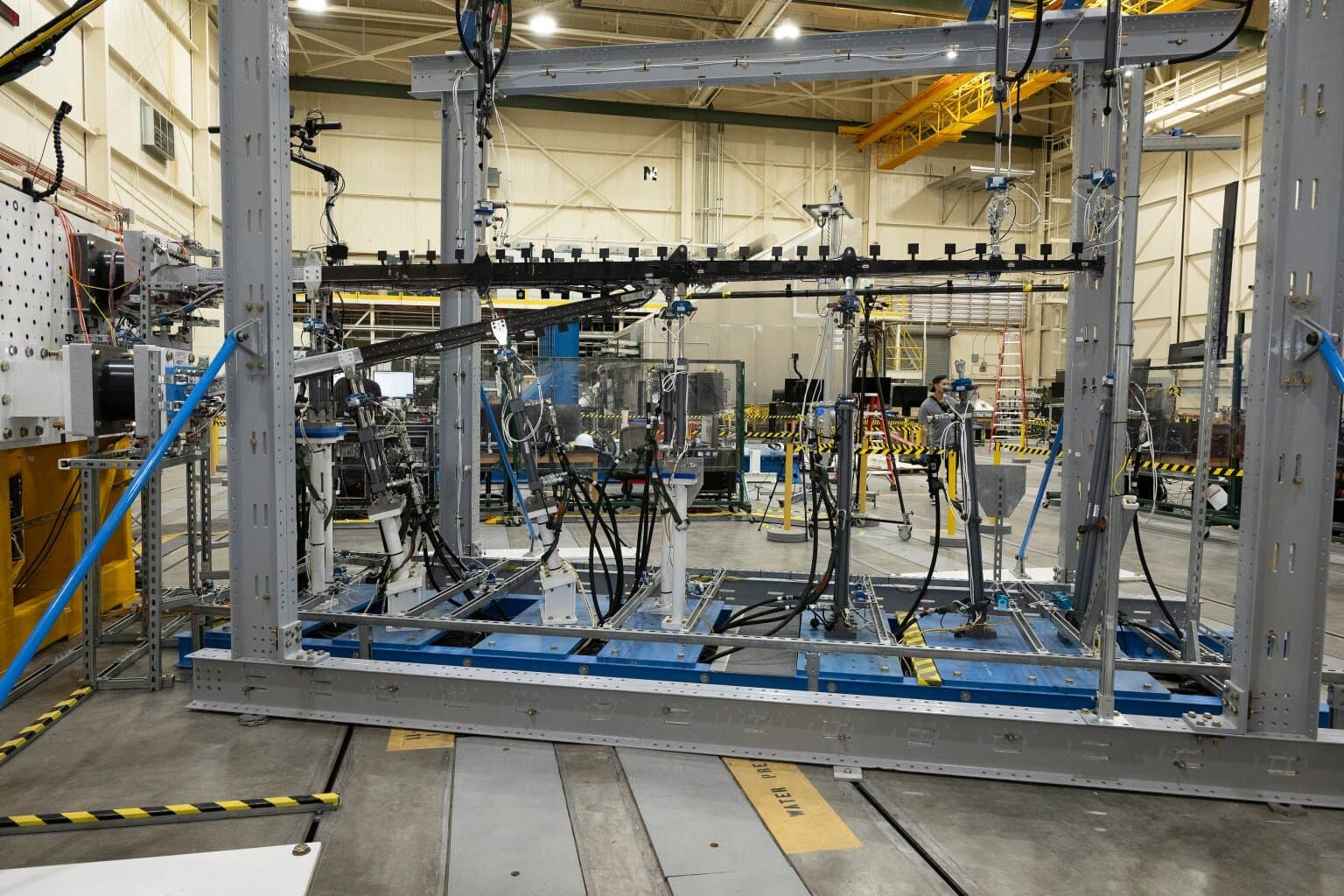
NASA wing survives 127% of its design load
That approach could end up doing more for transparency than for extraterrestrial suspense. Governments have spent decades letting UFO stories grow in the dark, and the modern UAP label is partly an attempt to make the subject sound less like tabloid bait and more like a bureaucratic problem. Whether the released files satisfy believers is another matter entirely.
Why the UAP archive story still grabs attention
Public fascination keeps outlasting the evidence, which is why every document dump is greeted like a possible season finale of the century. NASA’s position is boring in the best possible way: identify what can be identified, publish what can be published, and stop pretending every unexplained blip is a spaceship with a customs problem. The real story now is not whether the agency is hiding alien corpses, but how much of the old mystery survives once the files are opened.
If more archives are released, expect the debate to narrow rather than explode. That may disappoint the believers, but it should also make the public conversation a lot less ridiculous.

Frontier Editor
Dan is our resident futurist, covering electric mobility, space exploration, and the smart home. He's interested in atoms just as much as bits. Whether it's a new battery chemistry, a reusable rocket, or a protocol that finally makes IoT devices talk to each other, Dan breaks down the engineering that pushes humanity forward.