• 3 min read
Meta’s AI Opt-Out Backlash Was Immediate
Meta reversed an AI image feature after three days of backlash, reviving a broader fight over default-on AI tools and privacy settings.
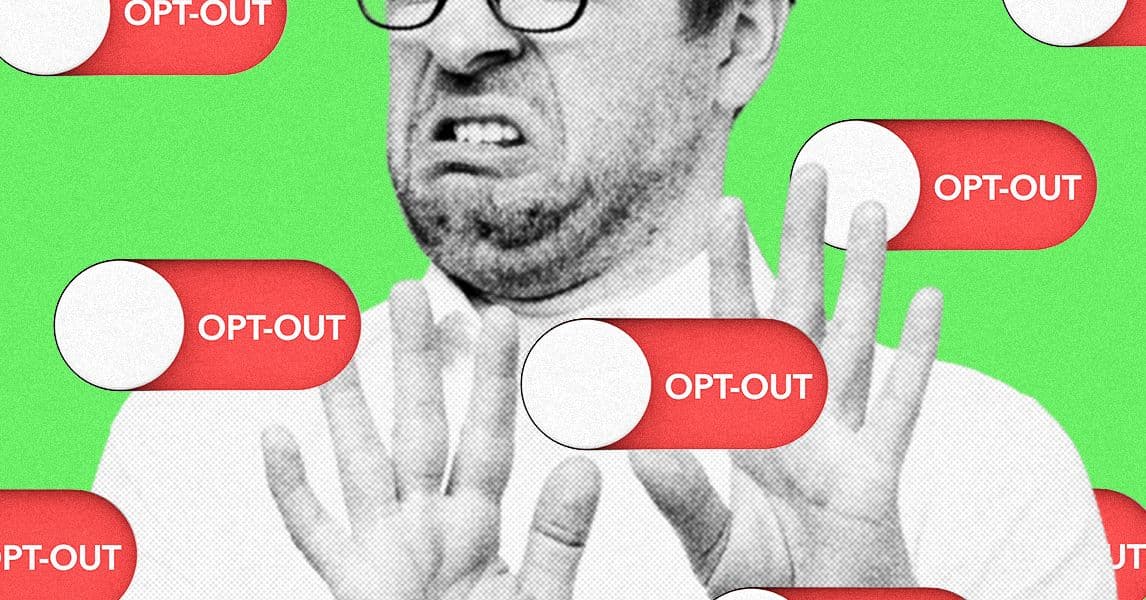
Image: Wired
In early July, Meta switched on a feature in its AI app that let users tag public Instagram accounts and generate images using those people’s likenesses. The setting was enabled by default, forcing users to opt out after the fact. The response was fast: creators posted viral how-to videos, criticism spread across Instagram, and three days later Meta rolled the feature back.
“They should have given you the option to opt in rather than opt out. But I am really getting tired of these companies pushing this AI stuff on us when we don’t want to use it.”
Yang’s Instagram video drew more than 3 million views. For privacy advocates, the speed of the backlash stood out. Thorin Klosowski, a senior security and privacy activist at the Electronic Frontier Foundation, told WIRED it was “a clear and immediate pushback” and said it was “great to see how quickly that happened.”
The dispute lands in a broader pattern: major tech companies increasingly turn on AI features by default, then leave users to hunt through settings if they want out. WIRED points to examples including the “Ask Gemini” bar in Google Docs, along with AI-related settings in Dropbox and LinkedIn. Meta, meanwhile, has long relied on opt-out privacy controls. Ben Winters, director of AI and privacy at the Consumer Federation of America, said Meta is a key “steward of the opt-out status quo” in the absence of stronger US privacy regulation.
Recommended reading
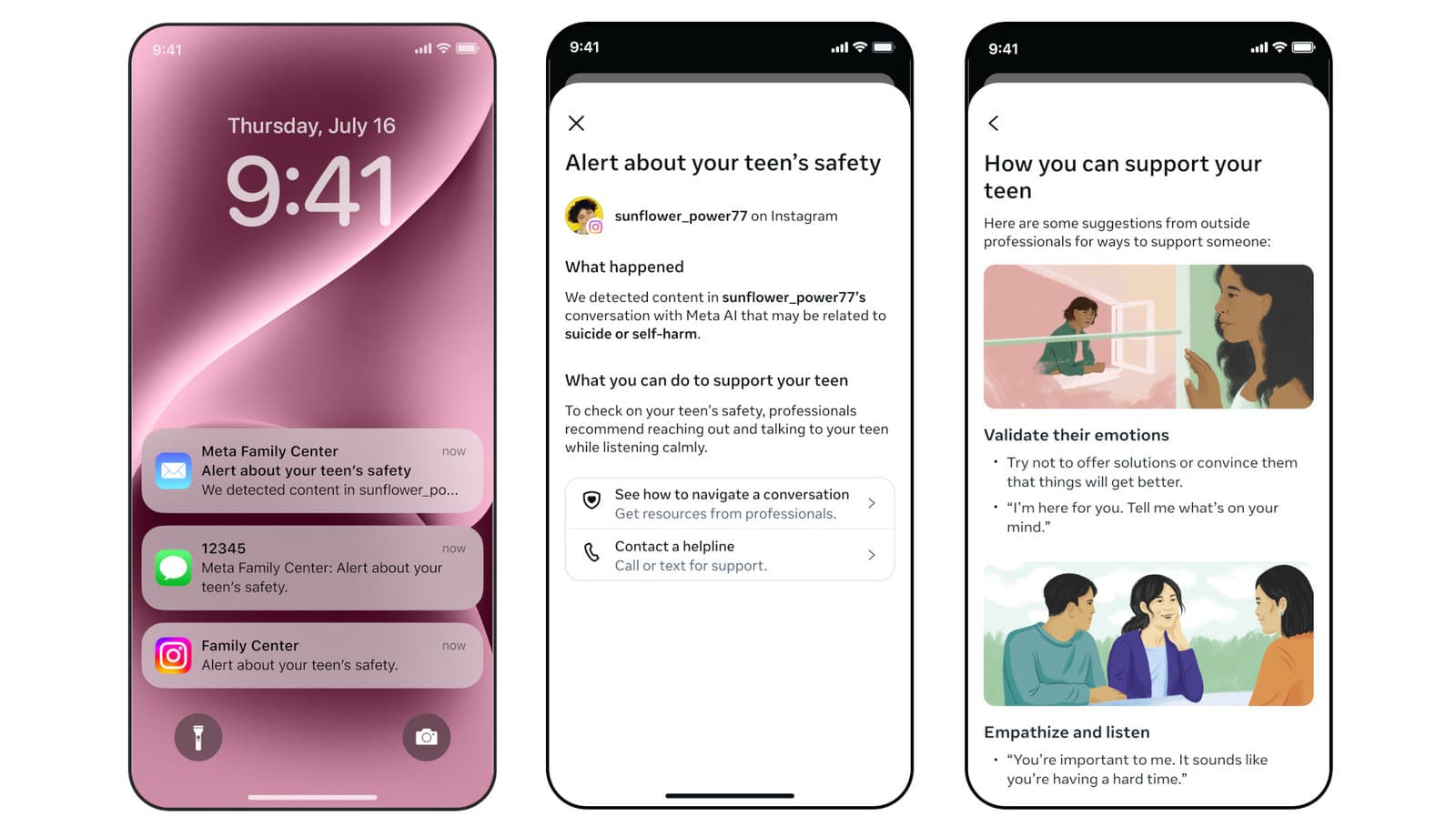
Meta AI now alerts parents to teen self-harm chats
In a statement emailed to WIRED, Meta spokesperson Daniel Roberts said the company has built “a wide array of settings and controls” to help people make privacy choices and shape their experiences across its platforms. He added that Meta conducts and funds research into controls and data practices that are easier to use and understand, including through groups such as TTC Labs.
Why default settings matter
Privacy experts say defaults are powerful because most people leave them unchanged. Woodrow Hartzog, a professor at Boston University School of Law, told WIRED that “people tend to stick with whatever the default option is,” meaning users automatically enrolled in AI tools are likely to remain enrolled.
Hartzog pointed to Article 25 of the European Union’s General Data Protection Regulation (GDPR) as a better model: systems should collect only what is needed, and the more privacy-protective choice should be selected by default. In the US, experts cited by WIRED say state laws in places such as California and Maryland are steps forward, but a national standard would be more useful for consumers facing a flood of privacy-affecting settings.
Winters argued that the issue is ripe for federal government intervention, saying regulation is needed to stop companies from engaging in abusive or deceptive practices at scale. Hartzog made the stakes more concrete: if a company opts millions of people into a deepfake tool, it increases the odds of a world with many more deepfakes. That consequence starts with a single product decision: making AI on by default.

Security Editor
Sophia unpacks the invisible wars happening on our networks. Covering cybersecurity, privacy legislation, and cryptography, she exposes how our data is weaponized and defended. Before joining for(geeks), she spent years as a penetration tester. She's the reason the rest of the team uses physical security keys.
via Wired