• 2 min read
MaxSun revives Radeon RX 580 2048SP with 8GB and 6 HDMI ports
MaxSun used Computex 2026 to pull a familiar trick from the past: a fresh Radeon RX 580 2048SP, a cut-down version of AMD’s 2017-era card that looks far more suited to signage walls than a gaming rig. The strange part is
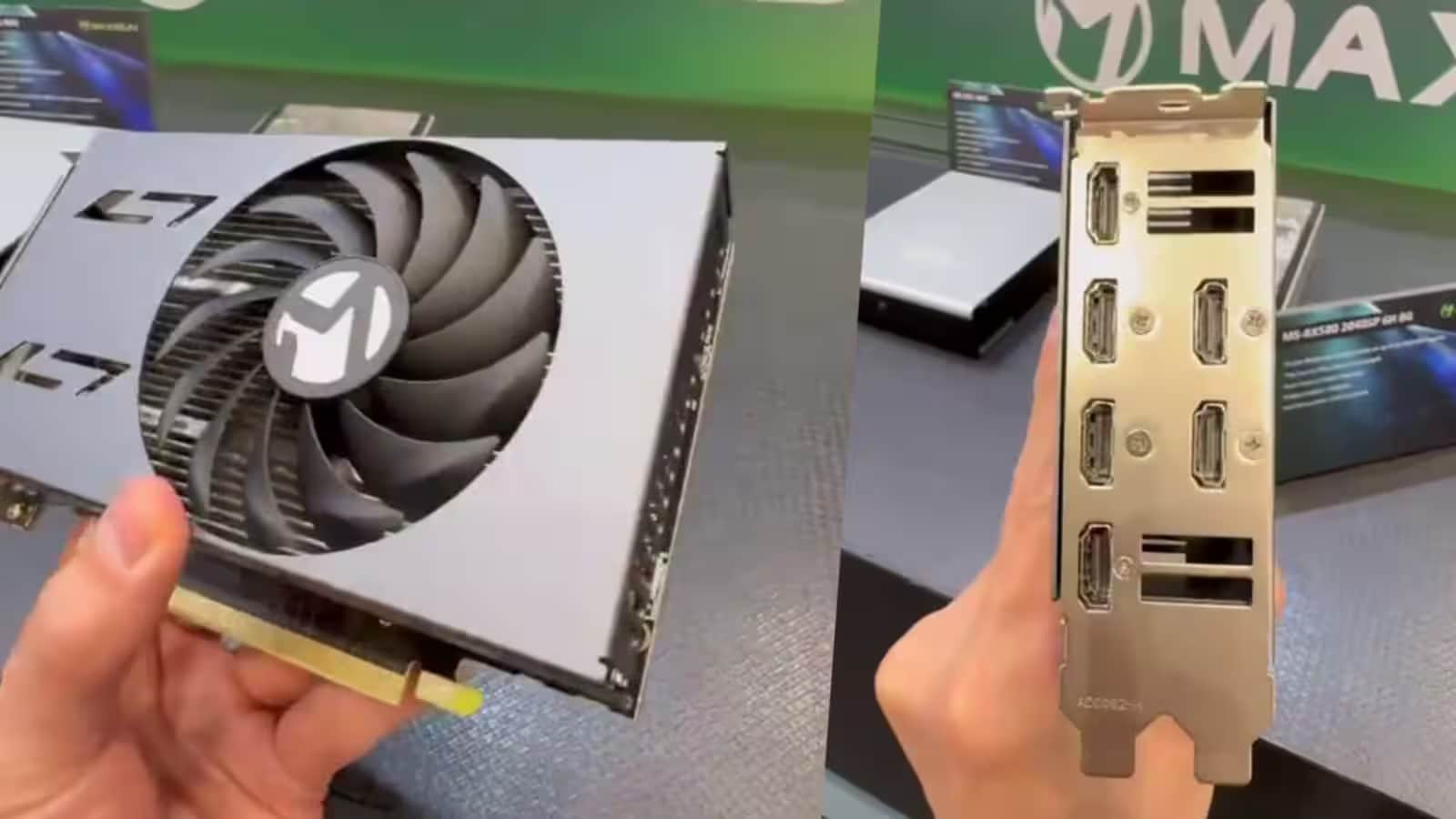
MaxSun used Computex 2026 to pull a familiar trick from the past: a fresh Radeon RX 580 2048SP, a cut-down version of AMD’s 2017-era card that looks far more suited to signage walls than a gaming rig. The strange part is not that the chip is old. It’s that MaxSun has dressed it up with 8GB of memory and six HDMI outputs, which is about as subtle as a billboard.
The RX 580 2048SP was always the budget sibling. Compared with the standard RX 580's 2304 stream processors, this version trims the compute hardware, and the cheaper models usually shipped with 4GB of VRAM instead of 8GB. MaxSun’s take keeps the larger memory pool, which should make it more useful for multi-display tasks than for anything that involves a frame counter.
Radeon RX 580 2048SP specs and outputs
The card is compact, too: 174 mm long, takes up two expansion slots, and needs just one eight-pin power connector. That combination is sensible for embedded gear and awkward for anyone hoping for a modern gaming resurrection. AMD’s midrange cards may have moved on, but manufacturers keep finding afterlives for older silicon in industrial systems, where stability and display count matter more than bragging rights.
- Model: Radeon RX 580 2048SP
- Stream processors: 2048
- Memory: 8GB
- Length: 174 mm
- Slots: 2
- Power: one eight-pin connector
- Display outputs: six HDMI ports
Who this Radeon RX 580 2048SP card is really for
Six HDMI ports all but spell out the target: digital signage, kiosks, and other embedded setups that need to drive a lot of screens without fuss. The gaming angle is basically decorative. If MaxSun can price it aggressively, there is still a market for this sort of hardware because old GPUs with high output counts are cheaper to deploy than more modern cards built for general-purpose workloads.
The bigger question is whether this is a one-off curiosity or part of a longer pattern. Reworked legacy GPUs keep showing up because the parts are available, the software stack is mature, and the buyer doesn’t need the latest architecture to display menus, ads, or status panels. Expect more of this kind of recycling while embedded and commercial display systems continue to value ports over pedigree.

Recommended reading
Passable Makes Apple Wallet Contact Sharing Easier

Computing Editor
Tomas lives in the terminal. He covers chips, laptops, and operating systems with a focus on performance and efficiency. He reads kernel changelogs the way other people read fiction, and he's always on the hunt for the perfect mechanical keyboard switch. If it processes data, Tomas has an opinion on it.