

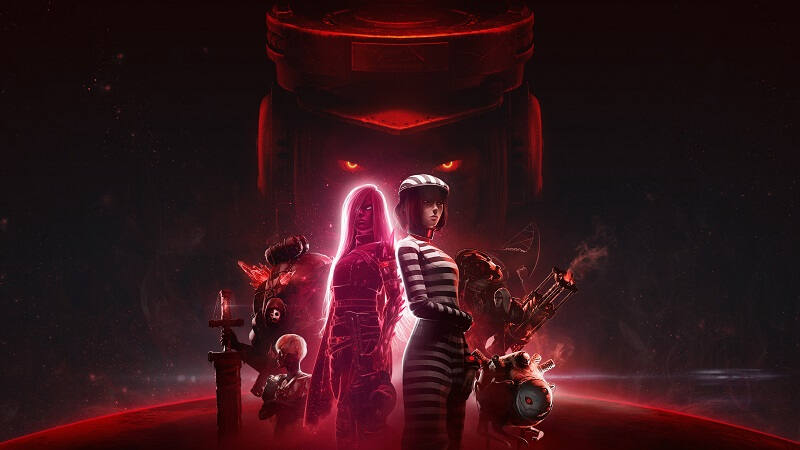
The small British team behind ”Luna Abyss” has been wiped out just weeks after the horror shooter arrived on store shelves, a blunt reminder that decent reviews are no shield against weak sales. Kwalee Labs, formerly Bonsai Collective, says all nine employees were laid off, leaving the studio empty only a month after release.
That kind of post-launch collapse is becoming painfully familiar across games: polished niche projects can win praise and still fail to cover their costs. The industry has spent the past few years rewarding scale, visibility, and launch momentum, which is awkward news for compact teams trying to make premium indie shooters on a tight budget.
Kwalee Labs loses its entire staff
Studio head Hollie Emery said the cuts happened without the team’s involvement, and that the entire group is now looking for work. For a nine-person studio, that is not a restructuring; it is the end of the road. Emery also described ”Luna Abyss” as the most important release in the team’s career, which makes the outcome sting even more.
There is a cruel logic here. Strong user sentiment can help a game live longer, but it cannot force enough people to buy it in the first place. Publishers and studios keep betting that good reviews will eventually convert into sales; the market keeps answering with a shrug.
What Luna Abyss managed to do
Released on 21 May for PC via Steam and Epic Games Store, plus PS5, Xbox Series X and S, ”Luna Abyss” puts players in the role of a prisoner named Fawkes, exploring an abandoned megastructure beneath a fake Moon under the watch of a biomechanical jailer named Ailyn. It is a striking setup, the sort of pitch that should travel well in trailers if not always in spreadsheets.
- Steam user rating: 86% ”very positive”
- Peak concurrent players on Steam: 317
- Team size at Kwalee Labs: nine people
The numbers tell the harsher story. A game can be liked, even admired, and still disappear into the long tail if launch visibility is too thin. Horror shooters already fight for attention against bigger franchises and louder free-to-play time sinks, which is a nasty place for a tiny studio to be standing.
The harder future for small premium shooters
Kwalee Labs’ fate may end up looking less like an isolated failure and more like another warning sign for mid-sized premium releases. The next few months will probably be kinder to the game’s reputation than to the studio that made it, and that gap between critical goodwill and commercial reality is where a lot of developers are getting hurt.