• 2 min read
Kirovsky Kompressor builds welding shop for Russian parts
Kirovsky Kompressor is adding a welding, blasting, and painting facility as it shifts oil-free compressor production to in-house Russian-made components.
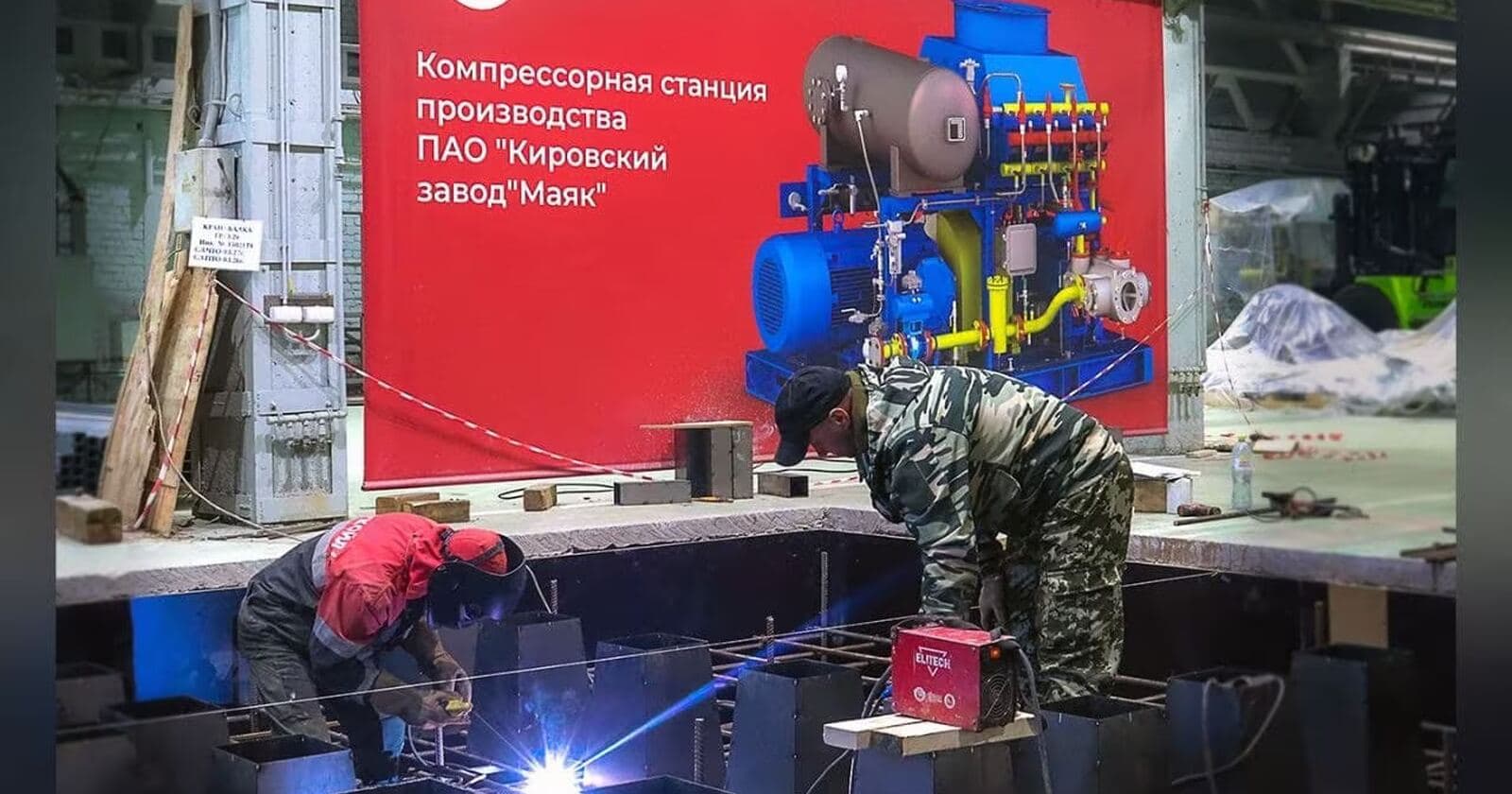
Image: ITzine
Kirovsky Kompressor has started building an additional production building for welding, shot blasting, and painting as it pushes to reduce reliance on outside suppliers and move oil-free compressor production onto its own lines.
The company says the expansion is driven partly by a shortage of floor space, but also by the nature of compressor manufacturing. Welding needs to be separated from machining so that scale and sparks do not contaminate machine tools and finished assemblies. The new workshop will therefore house the “dirty” and fire-hazardous stages of production, while the main building continues its existing work.
Construction is scheduled to finish in August, with the site expected to begin operating in September. Alongside welding equipment, the new building will include a shot-blasting section and a paint-coating chamber.
At the same time, the main production building is being upgraded with new electrical discharge, surface grinding, and vertical milling machining centers. The plant expects its own welding section to let it produce components that were previously outsourced.
The broader goal is localization. Kirovsky Kompressor plans to fully equip its machine fleet by the end of 2026 and reach design capacity for oil-free compressors made from domestic components by mid-2027.

Recommended reading
Fora hits $1 billion valuation with new $60M round
Those compressors are used to compress natural gas at automotive gas filling compressor stations. The segment is relatively small, but it is directly tied to the buildout of gas-powered transport infrastructure, where domestically produced equipment has become a priority for the industry.

Enterprise Editor
Marcus follows the money. He covers enterprise software, cloud architecture, and the tectonic shifts in Big Tech strategy. He translates dense earnings calls and complex M&A activity into actionable insights about where the industry is actually heading. If a tech giant makes a silent pivot, Marcus is usually the first to notice.
via ITzine