• 2 min read
Intel Core 7 230H and Core 5 205H drop integrated graphics
Intel has added two new mobile chips to its Core Series 2 lineup, and the twist is blunt: the Core 7 230H and Core 5 205H ship with integrated graphics disabled. That makes them a very specific kind of laptop processor,
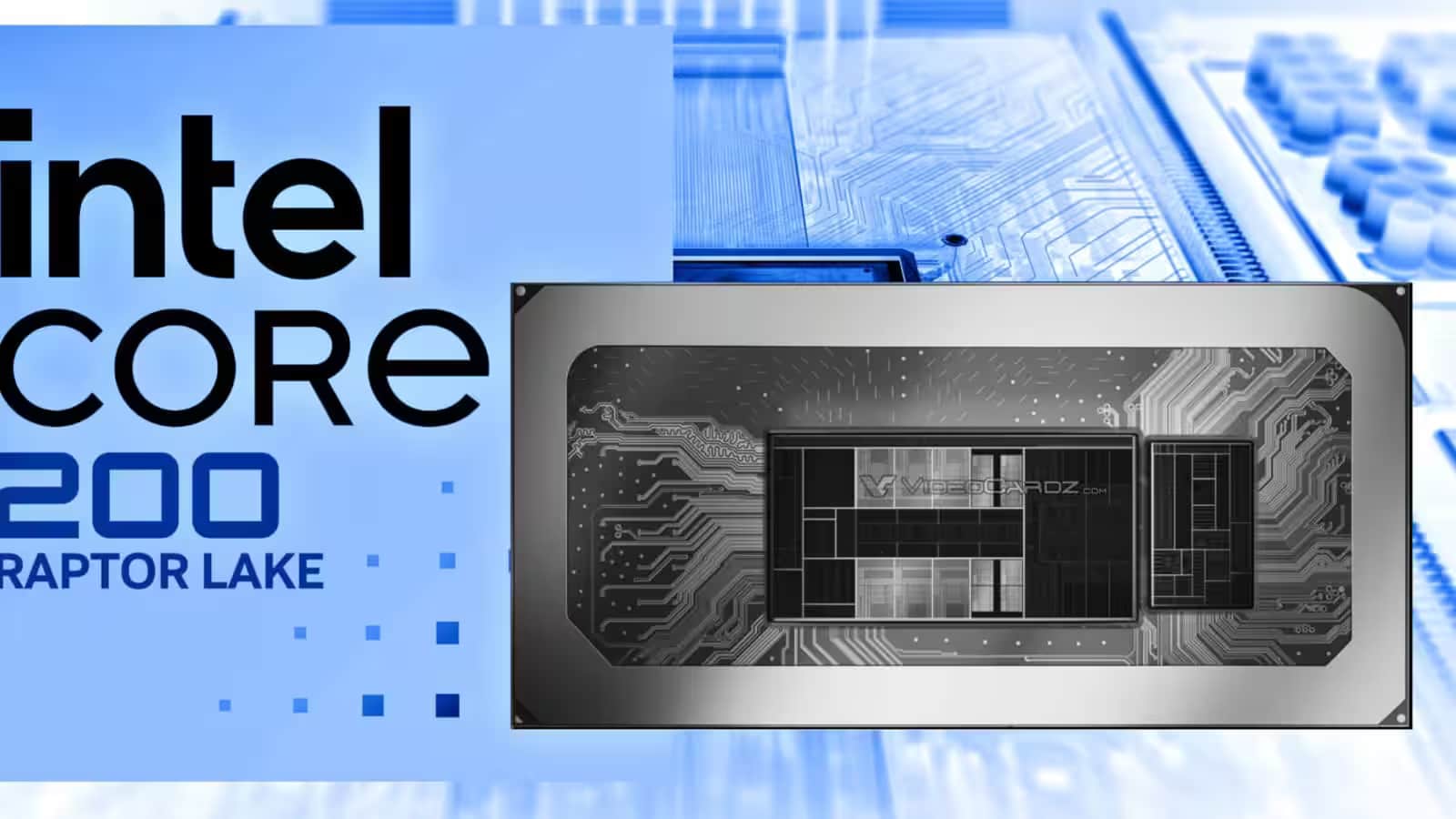
Image: ixbt.com
Intel has added two new mobile chips to its Core Series 2 lineup, and the twist is blunt: the Core 7 230H and Core 5 205H ship with integrated graphics disabled. That makes them a very specific kind of laptop processor, aimed at machines that will use a discrete GPU anyway rather than wasting silicon on graphics most buyers will never touch.
The parts are built on Raptor Lake-H, not the newer Arrow Lake family, which tells you plenty about Intel’s priorities here. This is less a fresh architectural leap than a trim-and-repackage move, and that is often how the PC market squeezes a few more product tiers out of an established platform.
Core 7 230H specs
- 10 cores, 16 threads
- 6 performance cores and 4 efficiency cores
- Up to 5.2 GHz
- 24 MB Intel Smart Cache
- 45 W base power, up to 115 W in Turbo
On paper, the Core 7 230H is almost a mirror of the Core 7 240H already in Intel’s Core 200H series. The real change is not performance positioning so much as subtraction: no iGPU, no need to pay for graphics you are not going to use, and a clearer lane for laptop makers building gaming or workstation designs around NVIDIA or AMD discrete graphics.
Core 5 205H specs
- 8 cores, 12 threads
- 4 performance cores and 4 efficiency cores
- Up to 4.8 GHz
- 12 MB cache
- 45 W base power, up to 115 W in Turbo
The Core 5 205H follows the same playbook and closely tracks the Core 5 210H, again with the graphics portion switched off. That kind of overlap is very Intel: broad SKU coverage, a few strategic differences, and enough segmentation to keep laptop vendors happy without asking the engineering team to reinvent the wheel.

Recommended reading
Canon may launch three EOS R cameras in 2026
Why Intel is selling these chips
There is a practical reason this category exists. Dedicated-GPU laptops, especially gaming models, increasingly care about CPU efficiency, thermals, and binning more than about whether the processor has usable integrated graphics sitting idle under the hood. Intel is giving OEMs a cleaner option, and likely a cheaper one, for systems where the display pipeline is already handled elsewhere.
The open question is how loudly Intel and its laptop partners will market that omission. For buyers, “no graphics” can sound like a cut corner until they realize it is actually the point. If these chips show up in the right systems at the right price, they should be an easy sell; if not, they’ll be remembered as another oddly narrow Intel SKU that most people never had a reason to notice.
Computing Editor
Tomas lives in the terminal. He covers chips, laptops, and operating systems with a focus on performance and efficiency. He reads kernel changelogs the way other people read fiction, and he's always on the hunt for the perfect mechanical keyboard switch. If it processes data, Tomas has an opinion on it.
via ixbt.com