• 2 min read
Hyundai Strike Targets Humanoid Robot Deployment
Hyundai’s Ulsan workers are striking partly over Boston Dynamics' Atlas and demanding rules before humanoid robots take on factory tasks.
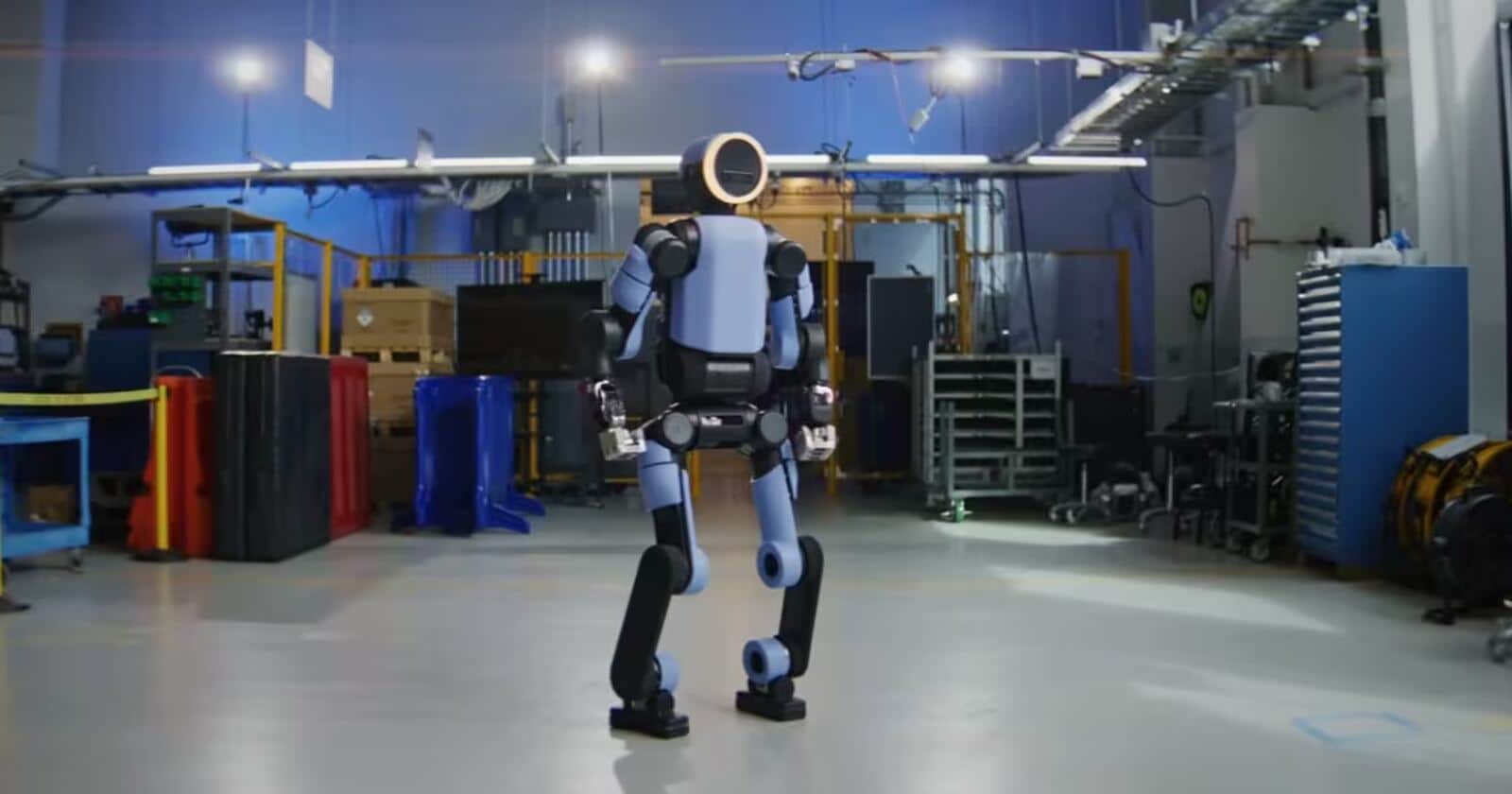
Image: ITzine
Hyundai workers in Ulsan, South Korea, have gone on strike partly over fears that humanoid robots could take jobs on the production line. The union wants rules for introducing such machines to be written in advance, rather than left to management’s discretion.
The dispute follows Hyundai’s presentation of Boston Dynamics' Atlas in January. Employees' concerns extend beyond the robot itself to how quickly the company plans to hand it tasks currently performed by people. It is reportedly the first strike in the global automotive industry directly linked to the arrival of humanoid robots in manufacturing, rather than to pay or working hours.
The protests come amid the usual negotiations over wages and working conditions at major automakers. This time, however, the talks have expanded to include what should happen when artificial intelligence and automation begin to affect employment. Hyundai’s union is seeking more than higher pay: it wants guarantees that new technology will not be used to eliminate jobs without consultation with the workforce.

Recommended reading
EU court limits YouTube’s intermediary defense
Hyundai’s robot plans and the union’s concerns
The conflict is tied to Hyundai Motor Group’s broader automation strategy, not just the Atlas demonstration. Earlier reports said the group planned to deploy Boston Dynamics' humanoid robots widely at Hyundai and Kia plants, potentially putting up to 25,000 machines into operation.
Automotive factories have used industrial robots for years, but most perform tightly defined tasks within fixed areas. Humanoid robots are intended to work in spaces designed for people, changing the economics and flexibility of automation—and raising a different set of concerns for unions.
According to Hyundai’s presentation, Atlas is approximately 1.9 meters tall, can move freely and has joints that rotate 360 degrees. That design could allow it to handle assembly, logistics and parts inspection, bringing it into some of the factory’s largest employment areas.
- Atlas is approximately 1.9 meters tall.
- Its joints rotate 360 degrees.
- The strike is taking place at Hyundai facilities in Ulsan.
- Hyundai and Kia have previously been linked to plans for up to 25,000 humanoid robots.
The dispute could extend beyond one plant. If Hyundai succeeds in introducing humanoids into mass production, other automakers with similar goals of reducing costs and increasing line flexibility may follow. If unions secure rules before deployment, manufacturers will have to negotiate the role of humanoid robots before they arrive on the factory floor.

Enterprise Editor
Marcus follows the money. He covers enterprise software, cloud architecture, and the tectonic shifts in Big Tech strategy. He translates dense earnings calls and complex M&A activity into actionable insights about where the industry is actually heading. If a tech giant makes a silent pivot, Marcus is usually the first to notice.
via ITzine