• 4 min read
How to watch the iOS 27 reveal at WWDC 2026 live
Apple’s 37th Worldwide Developers Conference kicks off today, June 8, 2026, with unprecedented stakes. Taking place at Apple Park in Cupertino, this WWDC will mark the last keynote led by Tim Cook as CEO. He announced in
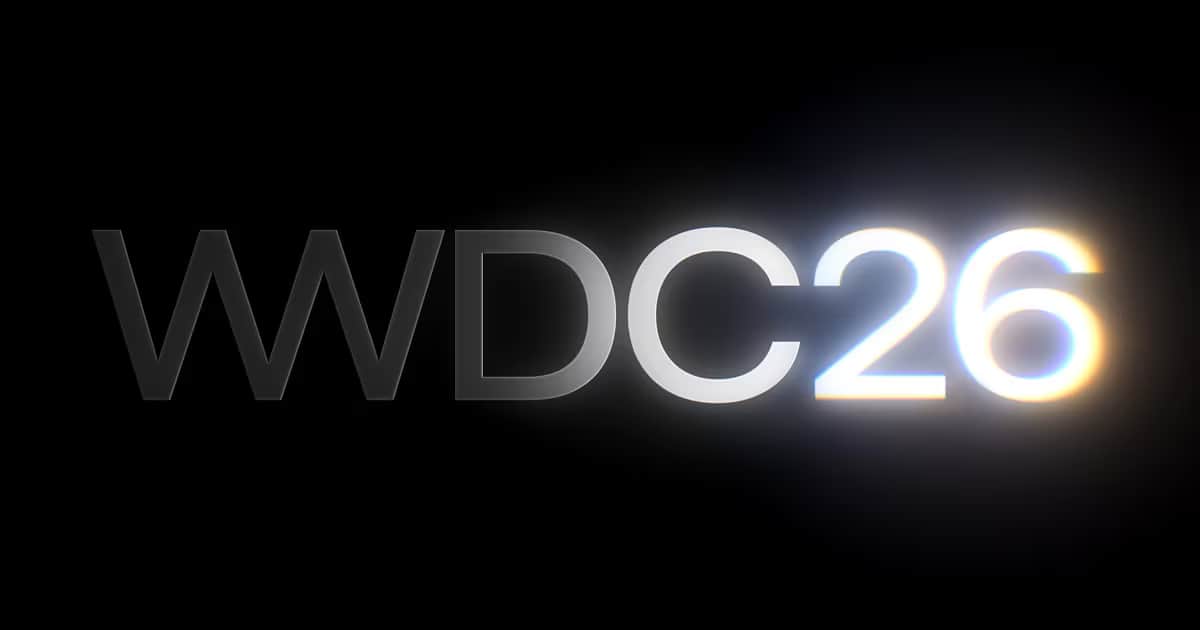
Apple’s 37th Worldwide Developers Conference kicks off today, June 8, 2026, with unprecedented stakes. Taking place at Apple Park in Cupertino, this WWDC will mark the last keynote led by Tim Cook as CEO. He announced in April that John Ternus, Apple’s head of hardware engineering, will take over on September 1.
You don’t need to travel anywhere to catch the iOS 27 reveal keynote. Apple streams it live on its official site, on its YouTube channel, and via the Apple TV app on any Apple device. The main presentation starts at 10 a.m. Pacific Time, which is 8 p.m. Moscow time. Missed the start? Apple uploads the full video right after the event. For Russian speakers, a live text commentary is available as usual on itzine.ru, and you can also watch the video right here.
Apple’s trillion-parameter Siri overhaul costs $1 billion a year
The biggest story at WWDC 2026 unfolded even before Tim Cook hit the stage. Days earlier, Apple settled a $250 million lawsuit brought by iPhone 16 owners accusing the company of advertising Siri features that never launched. The tentative settlement was approved May 5.
Apple’s response? A total reboot of Siri, now powered by a custom Google Gemini model boasting 1.2 trillion parameters. Complex requests run on Nvidia B200 GPUs in Google Cloud. According to Bloomberg, Apple will pay Google roughly $1 billion per year for access to this AI.
Recommended reading
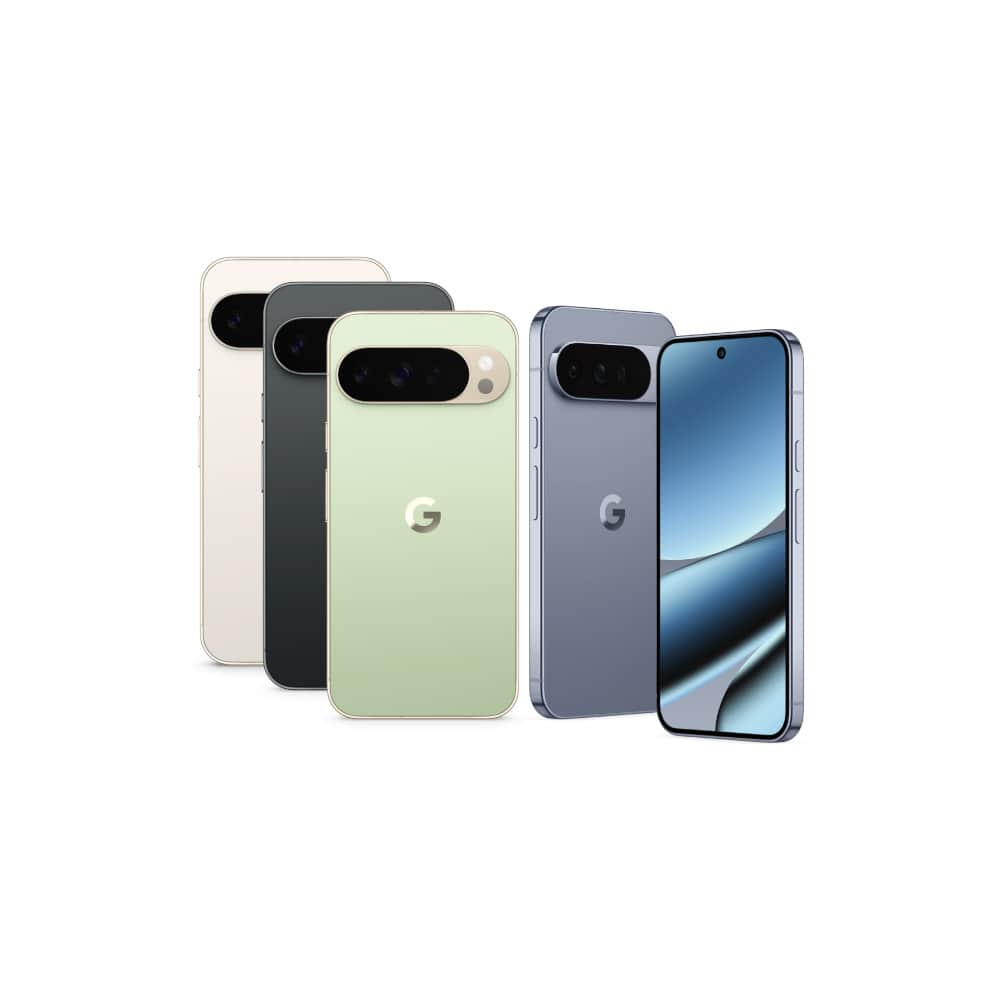
Google’s Tensor chips finally improved. Now comes the hard part
Siri’s key improvements include a standalone app, multi-step command chains, and the long-awaited screen awareness feature introduced in 2024. Now Siri can “see” what’s on your display and respond with context, a leap from its previous limitations.
Under the hood, Siri’s architecture is now three-tiered:
- Simple requests like timers, music, and smart home commands run locally on the device.
- Medium-complexity queries are handled by Apple’s Private Cloud Compute servers, powered by proprietary chips in secure nodes.
- The heaviest requests escalate to Google’s Gemini model in the cloud.
For the first time, iOS 27, iPadOS 27, and macOS 27 let users choose third-party AI providers as the default for Apple Intelligence features such as Writing Tools and Image Playground. This is a significant shift for Apple’s historically closed ecosystem.
Changes coming to the iPhone with iOS 27
Apple’s visual intelligence, introduced in iOS 18 and linked to the Camera Control button on iPhone 16, is now integrated directly into the Camera app. A new Siri mode appears alongside Photo and Video, consolidating all visual AI functions. The camera can now read nutritional info from product labels and log it into the Health app’s food diary. The Camera app itself gets customizable-users can rearrange interface elements like flash, exposure, timer, and resolution, with separate toolsets for photo and video.
Safari gains a redesigned start page and an AI-powered Organize Tabs feature that automatically sorts your open tabs. Shortcuts now understands natural language commands, making it easier to automate tasks without piecing together manual action chains.
macOS 27 drops support for Intel Macs
macOS 27 will only run on Macs with Apple Silicon processors. Intel Mac owners-covering MacBook Pro, MacBook Air, iMac, Mac mini, and Mac Pro models released before the end of 2020-won’t get the full upgrade, only security patches.
The update also fixes previously reported issues with the Liquid Glass interface’s shadows and transparency that affected text readability.
watchOS 27 updates for Apple Watch
watchOS 27 focuses on improved stability and performance. Apple is rolling out the new Siri experience on Apple Watch and adding a modular watch face inspired by the Apple Watch Ultra, now available on standard models. Heart rate monitoring algorithms will be refined.
The Health app will enhance blood sugar monitoring and add workout tracking through the camera.
Introducing homeOS for smart home devices
Apple previewed homeOS, a new operating system dedicated to its smart home and IoT lineup. Rumored for a while, the HomePod hub features a speaker, a 7-inch display, and the A18 chip, though it’s not yet available for purchase.
Tim Cook’s final keynote and transition to new CEO
After stepping down as CEO, Tim Cook will remain at Apple as executive chairman and focus on regulatory and political matters. John Ternus, who has been with Apple for 25 years and led hardware projects including iPad, AirPods, Apple Watch, iPhone Air, and several iPhone generations, will helm the company. His first major responsibility as CEO will be overseeing the September launch of the iPhone 18.
This WWDC signals a new chapter for Apple, not only with Siri’s AI overhaul and macOS’s long-expected move away from Intel but also with a change in leadership. The open invitation to third-party AI services may reshape Apple’s tightly controlled ecosystem. The big question going forward is how quickly these changes will ripple through Apple’s hardware and software lineup, and whether Google’s AI partnership marks a lasting shift in the tech giant’s strategy.
Gadgets Editor
Eli is obsessed with the tangible future. He reviews phones, wearables, and everything with a battery. Known for his rigorous testing protocols and unabashed teardowns, Eli has broken more review units than he cares to admit, all in the name of discovering the truth about durability and repairability.