• 3 min read
Helios Horizon’s electric plane eyes the stratosphere
An American nonprofit is trying to do something that still sounds slightly absurd in 2026: push a piloted electric aircraft above passenger jet cruising levels using solid-state batteries, then keep climbing toward the s
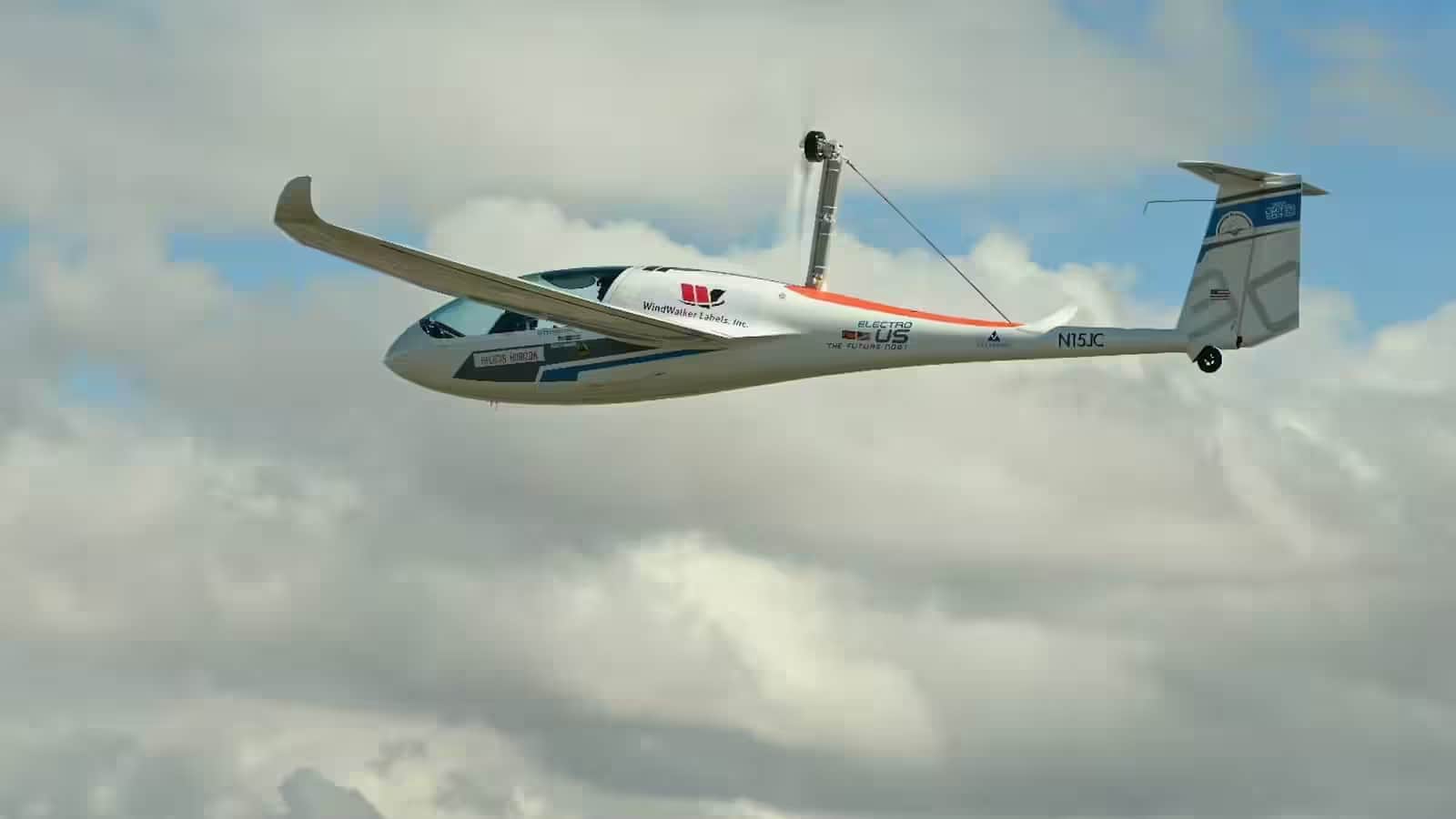
Image: ixbt.com
An American nonprofit is trying to do something that still sounds slightly absurd in 2026: push a piloted electric aircraft above passenger jet cruising levels using solid-state batteries, then keep climbing toward the stratosphere. Helios Horizon says its first crewed test flights of the modified Pipistrel Taurus went well, and the project now shifts from proving the hardware works on the ground to proving it can survive at altitude.
The June 5 flights took place at Zephyrhills Airport in Florida, with project founder Miguel Iturmenzi at the controls. The team swapped in a new powertrain and battery pack, turning the two-seat motor glider into a testbed for a technology aviation has talked about for years but rarely put into the air in this form.
Solid-state batteries raise the bar
The key change is the battery chemistry. Helios Horizon says the aircraft now uses solid-state cells with an energy density of about 410 Wh/kg, up from about 260 Wh/kg with the previous lithium-ion setup. That is a serious jump, and in aviation every extra watt-hour per kilogram buys either more range, more payload, or a bit less anxiety – usually the last one first.
For a sector that has spent years squeezing gains out of incremental improvements, the comparison matters. Traditional lithium-ion packs have dominated early electric aviation because they are available and understood, but they also bring heat and fire-management headaches. Solid electrolytes are attractive because they reduce those risks, which is why the technology keeps showing up in roadmaps from aircraft startups and major battery makers alike.

Recommended reading
Google’s Tensor chips finally improved. Now comes the hard part
Helios Horizon says the battery pack was assembled by hand from cells sourced on the Asian market. That detail is less glamorous than the stratosphere talk, but it tells you where the industry still is: prototype mode, not polished production.
What the first flights actually proved
The inaugural sorties were brief and focused on validation rather than spectacle. Engineers were checking how the new batteries affected mass, balance, and onboard systems, and the company says the electronics and thermal-control system behaved as expected. In other words, the plane did not immediately set itself on fire, which is a low bar, but an important one.
- Test date: June 5
- Location: Zephyrhills Airport, Florida
- Aircraft: modified two-seat Pipistrel Taurus motor glider
- Battery density: about 410 Wh/kg
- Previous battery density: about 260 Wh/kg
The autumn altitude test will be the real exam
The next milestone is scheduled for autumn, when the team plans high-altitude testing. The same airframe has already reached about 7,300 meters, and the goal now is to go beyond 12 kilometers and into the stratosphere. That is where the project stops being a clever battery demo and starts becoming a reference point for electric aviation.
There is still plenty that can go wrong: weight, thermal stability, and energy delivery all get less forgiving as the air thins. But if Helios Horizon clears the next round, it will give solid-state batteries something the industry loves and rarely gets – a visible, flying proof that the chemistry can do more than sit in a white paper.
Gadgets Editor
Eli is obsessed with the tangible future. He reviews phones, wearables, and everything with a battery. Known for his rigorous testing protocols and unabashed teardowns, Eli has broken more review units than he cares to admit, all in the name of discovering the truth about durability and repairability.
via ixbt.com