• 4 min read
Huawei’s HarmonyOS 7 adds AI, depth and scam protection
Huawei has pulled the wraps off HarmonyOS 7, and the headline changes are hard to miss: a more dramatic visual layer, a much bigger role for AI, and a fresh set of tools aimed at scams and fraud. The company is positioni
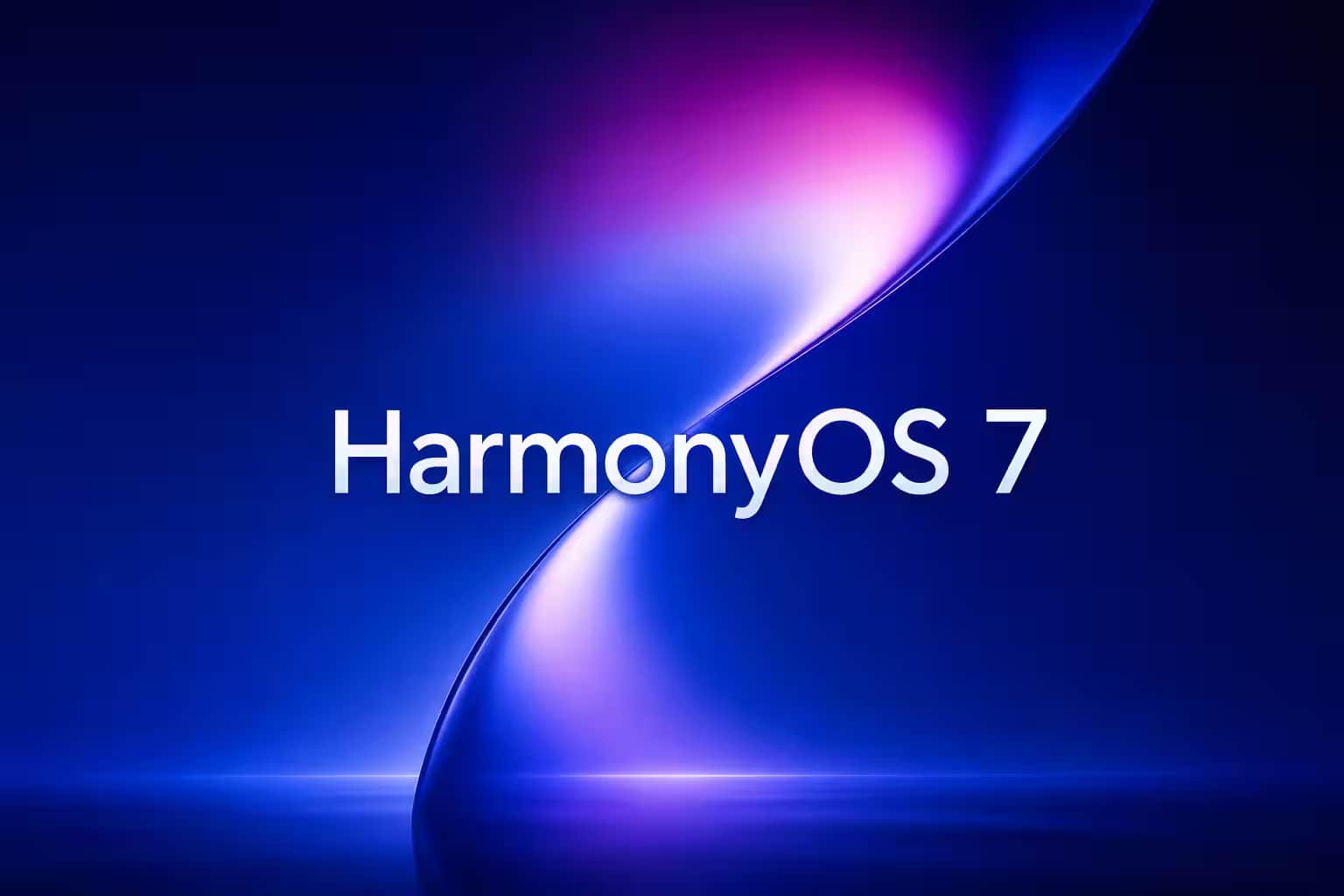
Huawei has pulled the wraps off HarmonyOS 7, and the headline changes are hard to miss: a more dramatic visual layer, a much bigger role for AI, and a fresh set of tools aimed at scams and fraud. The company is positioning the software as a smarter glue layer across phones, tablets, PCs, wearables, and other connected gadgets, which is exactly the kind of pitch you make when you want your ecosystem to feel less like a collection of devices and more like one large machine.
Huawei’s HarmonyOS 7 is also leaning into a broader industry shift. Apple, Google, and Samsung have all spent the past year pushing more on-device intelligence into their platforms, but Huawei is making a more aggressive claim here: HarmonyOS 7 is built around AI first, not bolted onto an older interface as an afterthought. That is a neat line, and a useful one, because software platforms now need a reason to exist beyond just looking polished.
A new spatial interface with deeper effects
HarmonyOS 7 introduces what Huawei calls a spatial design language, using software rendering to create stronger three-dimensional effects across the system. Lock screens now react more naturally to wallpapers, while lighting effects add motion and depth to buttons, sliders, and other interface elements. It is the kind of visual upgrade that sounds cosmetic until you realize how much phones rely on tiny moments of polish to feel modern.
Recommended reading
Kimi’s launch queue exposes AI’s next bottleneck
Huawei also teased UI animations in a video clip, suggesting the company wants the new look to do more than just sit there and shimmer. That matters because visual consistency has long been one of the easiest ways to make a platform feel premium, and one of the hardest things to fake when the software is stretched across so many device types.
Celia becomes the center of the AI pitch
The upgraded Celia assistant is now being framed as a system-level intelligence hub rather than a simple voice helper. Huawei says it can understand user intent, carry out multi-step actions and work more deeply with apps and services, while the HarmonyOS Intelligent Agent Framework 2.0 is meant to raise task completion rates for complex requests to above 90 percent.
That “above 90 percent” claim is doing a lot of heavy lifting, of course, but the direction is clear. Huawei wants users to move from tapping through menus to asking the system to do the boring parts, which is the same promise almost every software platform is chasing right now because everyone has finally noticed that people hate repetitive chores.
- Smarter photo editing tools
- Content generation features
- Broader in-app commands
- Better natural language responses
Security tools target scams and spoofing
Huawei is also trying to make HarmonyOS 7 sound like a safer place to live. A new anti-fraud platform can identify suspicious QR codes, detect potentially fraudulent web pages, flag app impersonation attempts, and recognise overseas spoofed phone numbers. The system also includes AI-based voice scam detection, which is a sensible addition in a world where fraudsters have become annoyingly efficient.
The security angle is smart because it gives Huawei a practical reason to advertise AI beyond flashy demos. Consumer software is crowded with promises; anti-scam features are one of the few that people can understand instantly, and perhaps even appreciate the first time they avoid a bad call or a fake login page.
HarmonyOS 7 beta devices and rollout timing
Huawei says the HarmonyOS 7 Developer Beta is available starting today for the Huawei Mate 80 Pro, Mate X7, Mate XT Master, Pura 90 Pro Max, Pura X, Pura X Collector’s Edition, and the nova 15 Pro. Developers with supported hardware can start testing immediately, while the stable release is due later this year.
- Huawei Mate 80 Pro
- Huawei Mate X7
- Huawei Mate XT Master
- Pura 90 Pro Max
- Pura X
- Pura X Collector’s Edition
- nova 15 Pro
Huawei says HarmonyOS 7 delivers up to 15 percent better performance than the previous generation while keeping long-term system load growth under control. The first phones expected to ship with the software preloaded will be the Mate 80 series, which is expected to launch in September in China, putting the new version on a very short runway from developer tease to retail reality.
AI Editor
Ava covers the rapidly evolving world of artificial intelligence, from foundational models and research labs to the real-world economics of intelligence. With a background in computational linguistics, she cuts through the hype to find out what actually works. She firmly believes that benchmarks are just marketing until reproduced in the wild.