• 2 min read
Kimi’s launch queue exposes AI’s next bottleneck
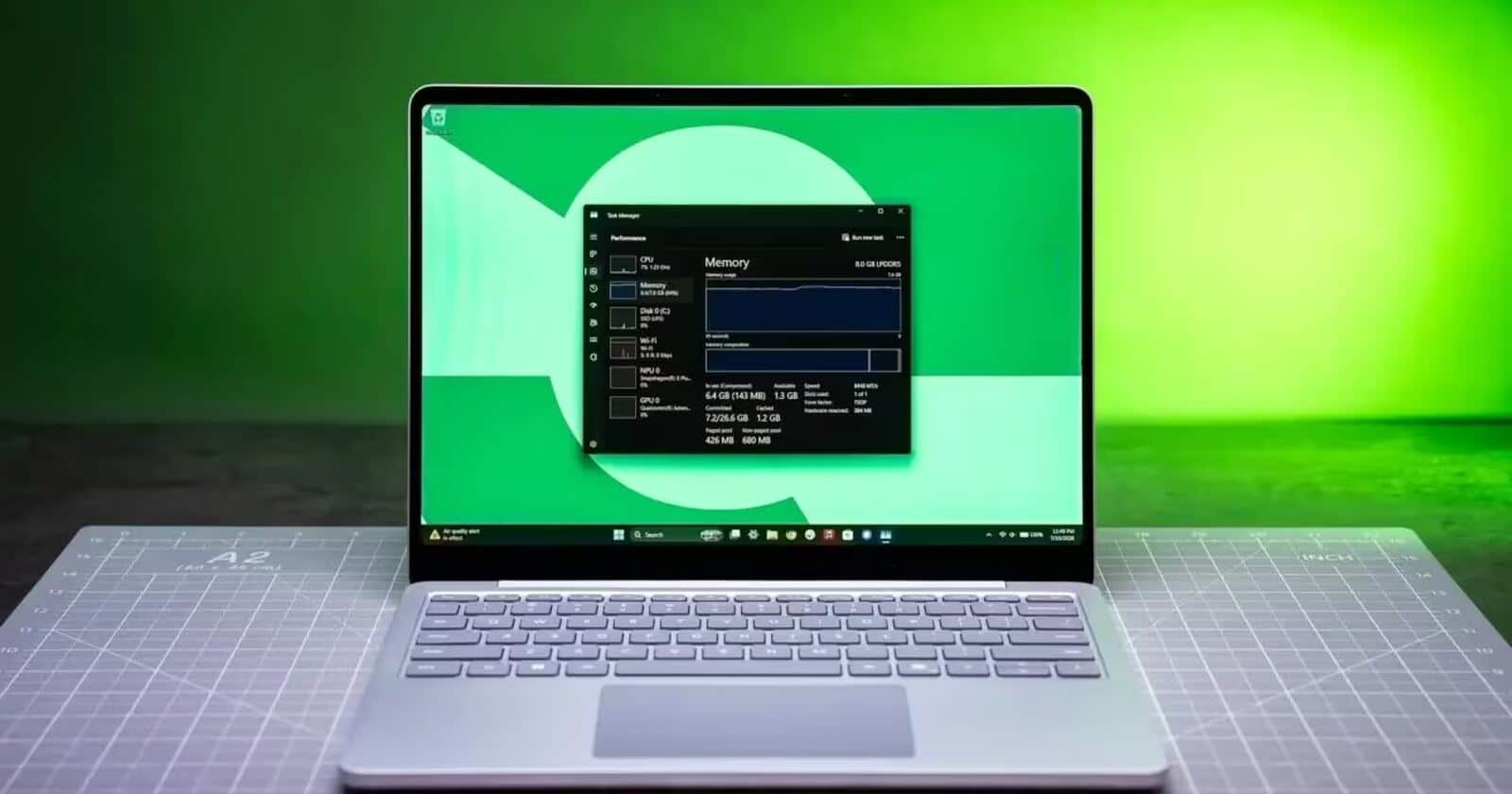
Kimi’s launch queue highlights AI’s next bottleneck: enough GPUs, servers, and data-center capacity to serve millions of users.

Image: TechRadar
China’s latest ChatGPT rival, Kimi, is now available through Apple’s App Store. But when I downloaded it to test against ChatGPT, Claude, and Gemini, I could not get past the queue: too many people were already trying to use it.
That launch-day frustration points to a larger problem for the AI industry. Strong models are valuable only when companies have enough servers, GPUs, and data-center capacity to keep them available under heavy demand.
TechRadar’s recent Kimi review described the model as delivering “impressive performance for coding, document analysis, and multi-step agentic tasks, especially considering its price point.” But if ordinary users are left waiting at the door, its practical value is harder to assess.
What Kimi offers
Kimi follows the surge of interest in Chinese AI models after DeepSeek-R1 was released in 2025. That release showed that companies outside the major Silicon Valley labs—OpenAI, Google, and Anthropic—could build capable models that were cheaper to run and close to the performance of leading US systems.
Kimi’s positioning is somewhat different. It is a large open-weight model designed for coding, spreadsheets, knowledge work, document analysis, long-context tasks, and agent-style workflows. Open weight means the finished model can be downloaded and run by others, rather than being available only through its developer’s app or website.
Recommended reading
AMD’s fastest FP64 GPU won’t ship until 2027
That does not make Kimi fully open source. A fully open-source release would generally include more of the code, training process, data information, and licensing freedoms needed to understand, rebuild, and modify the model from the ground up.
AI capacity is becoming a competitive advantage
Kimi’s access problems show why model intelligence is only one part of the competition. A hyped release can attract millions of users in a short period, quickly turning infrastructure into a bottleneck.
Reuters reported in the past week that Nvidia is discussing major financing guarantees to help OpenAI lease a proposed 10-gigawatt data center in Ohio. Other technology companies are also competing for additional data-center capacity.
The next phase of the AI race may therefore be determined not just by benchmark scores or polished demonstrations, but by access to power, servers, GPUs, and reliable uptime. Kimi’s first impression was not a measure of its intelligence—it was a reminder that, in 2026, the companies that can keep popular models online may have the decisive advantage.
AI Editor
Ava covers the rapidly evolving world of artificial intelligence, from foundational models and research labs to the real-world economics of intelligence. With a background in computational linguistics, she cuts through the hype to find out what actually works. She firmly believes that benchmarks are just marketing until reproduced in the wild.
via TechRadar