• 3 min read
HarmonyOS 7 brings AI hub, new design, and stronger protection
Huawei has unveiled HarmonyOS 7, and the pitch is familiar enough to work: a cleaner interface, tighter AI integration, and more protection against scams. The real story is that Huawei is no longer treating AI as a side
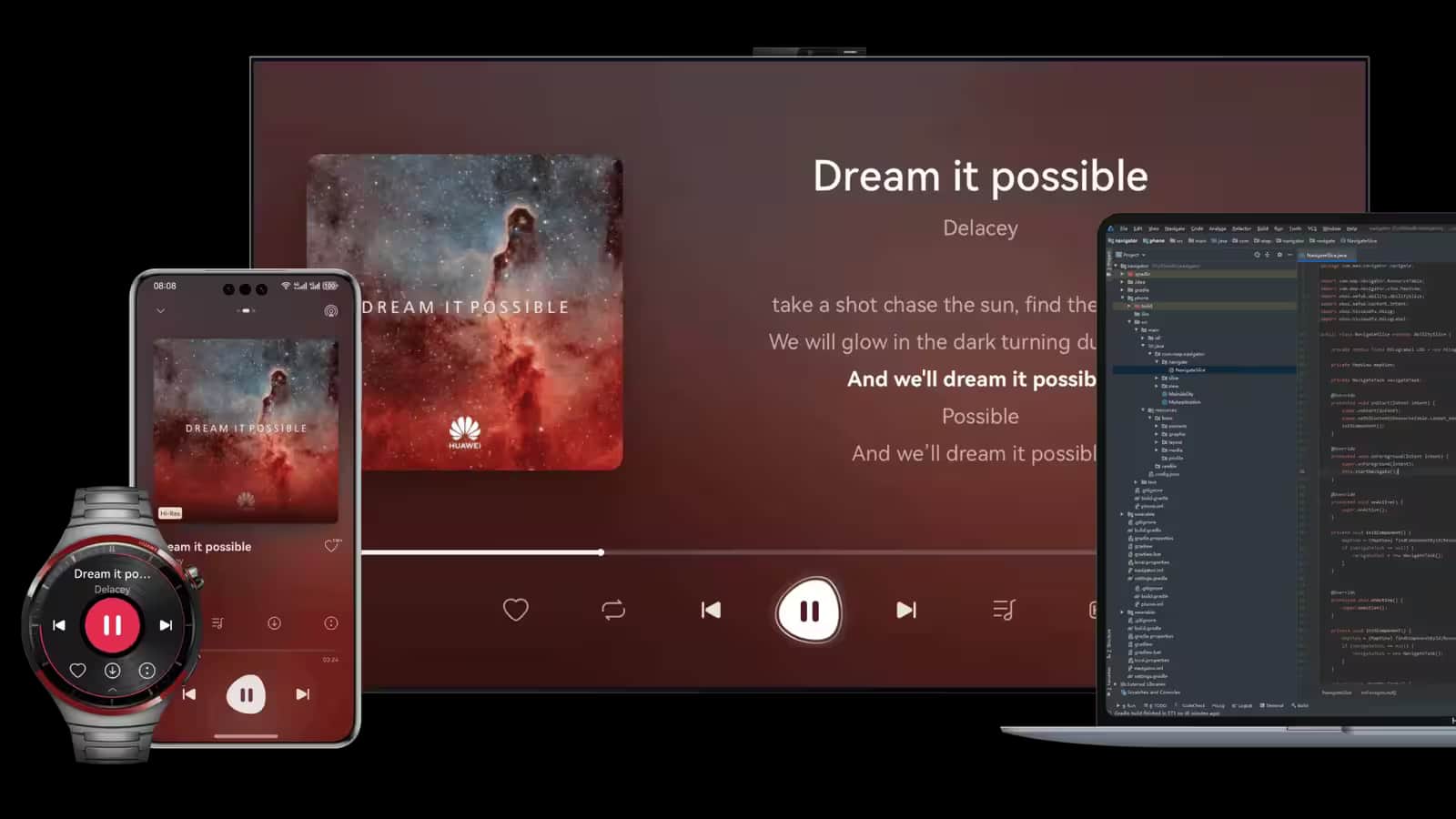
Image: ixbt.com
Huawei has unveiled HarmonyOS 7, and the pitch is familiar enough to work: a cleaner interface, tighter AI integration, and more protection against scams. The real story is that Huawei is no longer treating AI as a side feature bolted onto the OS; it is trying to make HarmonyOS itself feel like the assistant.
The first public rollout is still not for everyone. A developer beta is already live on selected Huawei devices, while the stable version for users is expected this autumn. The first phones to ship with HarmonyOS 7 preinstalled will be the new Mate 90 series, which is scheduled to launch in China in September 2026.
A more dimensional HarmonyOS interface
Huawei says the visual refresh centers on a new “spatial” design language, using 3D and lighting effects across the system. That includes the lock screen, which is now meant to feel more interactive rather than just decorative. It is the kind of polish Android and iOS keep circling back to: motion, depth, and a little theater.

Recommended reading
Enigma raises $70M to rethink robot control
For users, this is less about one flashy screenshot and more about consistency. If Huawei can carry that look through apps, widgets, and notifications without making the interface feel busy, it will look like progress rather than skin-deep styling.
Celia becomes the AI hub in HarmonyOS 7
The bigger shift is on the intelligence side. Huawei says the updated Celia assistant now acts as a central “intelligent hub” at the system level, understanding user intent, handling multi-step tasks, and interacting more deeply with apps. The company also says HarmonyOS Intelligent Agent Framework 2.0 can successfully complete more than 90% of complex requests.
That puts Huawei in the same race as other major platform owners, all of whom are trying to turn assistants into something more useful than glorified voice search. The difference is that Huawei is framing the assistant as part of the OS core, not as a feature users have to remember to open.
- AI-powered photo editing and content generation are expanded
- Celia now sits at the center of system-level actions
- Complex requests are claimed to be handled with more than 90% success
Security upgrades target scams and impersonation
HarmonyOS 7 also adds a new anti-fraud center aimed at suspicious QR codes, phishing sites, app spoofing attempts, and calls from fake numbers. That may sound less glamorous than AI assistants and visual effects, but it is the sort of practical feature that matters once a platform has enough users to attract every cheap scam in the book.
The timing is no accident. As mobile ecosystems get smarter, they also get more attractive to attackers who copy interfaces, hijack notifications, and rely on users being distracted for three seconds too long. Huawei is clearly betting that trust will sell alongside novelty.
Huawei phones getting HarmonyOS 7 first
The developer beta is available on a fairly wide list of devices already: Huawei Mate 80 Pro, Mate X7, Mate XTs Master, Pura 90 Pro Max, Pura X, Pura X Collector’s Edition, and nova 15 Pro. That is a useful clue about Huawei’s rollout strategy: start with premium hardware, then widen access once the software settles down.
If the schedule holds, the Mate 90 series will be the real debut stage. For everyone else, autumn is the target window, and in the world of operating systems that usually means “close enough to plan for, far enough to keep waiting.”
AI Editor
Ava covers the rapidly evolving world of artificial intelligence, from foundational models and research labs to the real-world economics of intelligence. With a background in computational linguistics, she cuts through the hype to find out what actually works. She firmly believes that benchmarks are just marketing until reproduced in the wild.
via ixbt.com