• 2 min read
Hadrian raises $1.37B to automate defense manufacturing
Defense manufacturer Hadrian raised $1.37 billion at a $7.87 billion valuation to expand automated factories for military parts.

Image: TechCrunch
Hadrian has raised $1.37 billion in a new funding round that values the defense-manufacturing company at $7.87 billion, or roughly $8 billion. The financing, announced on August 6, brings the company’s total capital raised to about $2 billion, according to PitchBook estimates.
The round was led by WCM Investment Management, Washington Harbour Partners, Valor Equity Partners, 137 Ventures, and Baillie Gifford. Other participants included 1789 Capital, Morgan Stanley Wealth Management, funds managed by Apollo and T. Rowe Price, CapitalG, Andreessen Horowitz, Founders Fund, Lux Capital, and Altimeter.
Automated factories for defense components
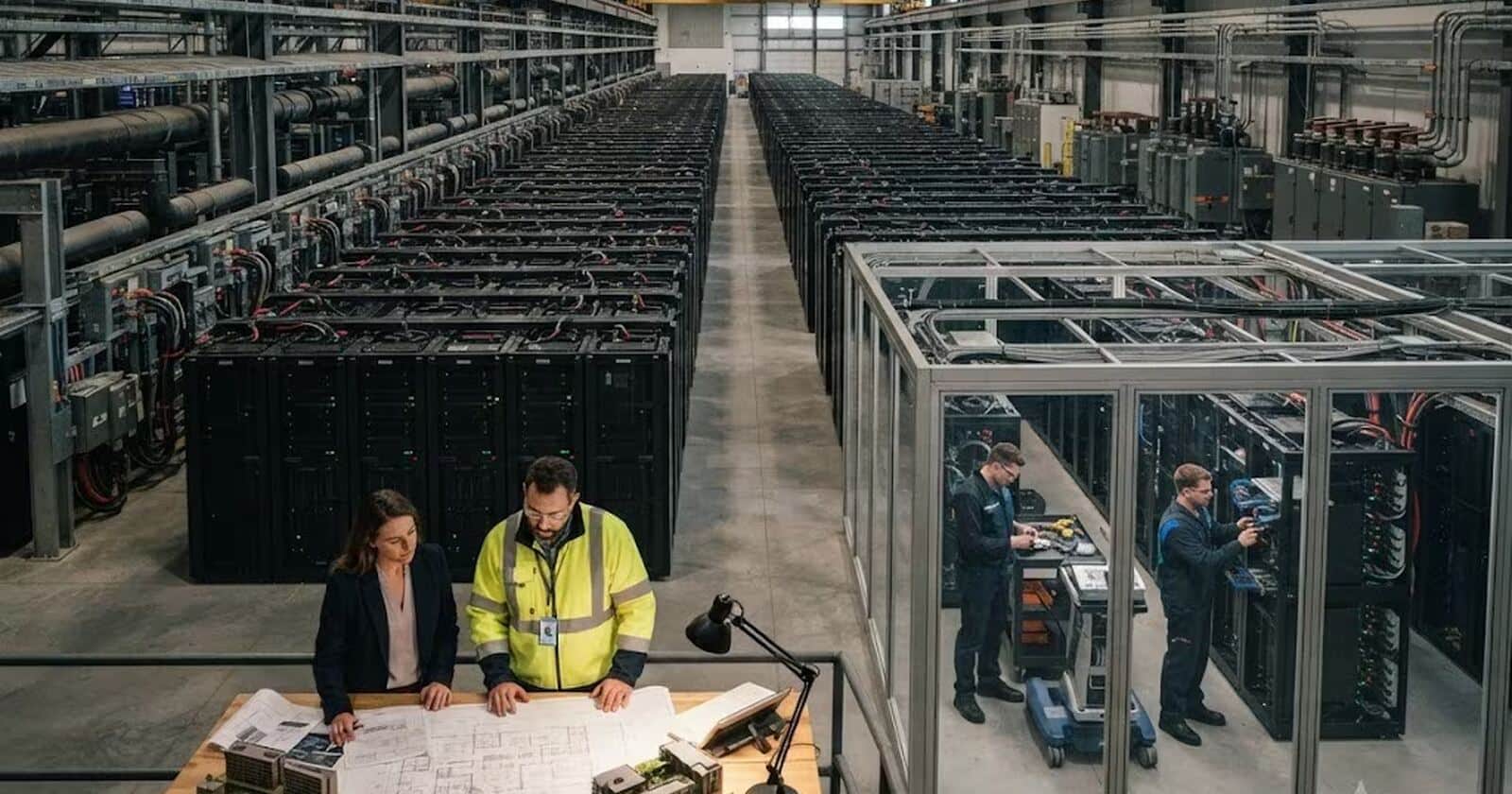
Hadrian is taking a different route from defense startups developing new AI-enabled weapons. It is building automated manufacturing facilities designed to mass-produce parts for military vehicles and systems already in use.
The company opened a facility in Alabama in March to manufacture submarine parts. That site is Hadrian’s fourth facility. Hadrian said the facility’s public-private partnership was valued at $2.4 billion, though the company did not provide further details about how that figure relates to the new financing or its operating revenue.
The company’s previous major financing was a $260 million Series C led by Founders Fund and Lux Capital about a year ago. Those firms also participated in the latest round.
Recommended reading
Anthropic may seek another $36 billion for Google TPUs
The scale of the investment suggests that backers are funding factory expansion and production capacity rather than merely another software product. That is a substantial bet on Hadrian’s ability to turn automated manufacturing into a defense-supply-chain business, but the reporting does not include production volumes, customer numbers, or an independent assessment of its manufacturing performance. The funding makes the strategy well-capitalized; it does not yet establish how efficiently the new facilities are operating.
Enterprise Editor
Marcus follows the money. He covers enterprise software, cloud architecture, and the tectonic shifts in Big Tech strategy. He translates dense earnings calls and complex M&A activity into actionable insights about where the industry is actually heading. If a tech giant makes a silent pivot, Marcus is usually the first to notice.
via TechCrunch