• 3 min read
Google quietly buys app code to train Gemini’s coding tools
Google is reportedly trying a less controversial route for AI training data: paying Play Store developers for access to their app code. The company has been quietly contacting select Google Play developers with apps that
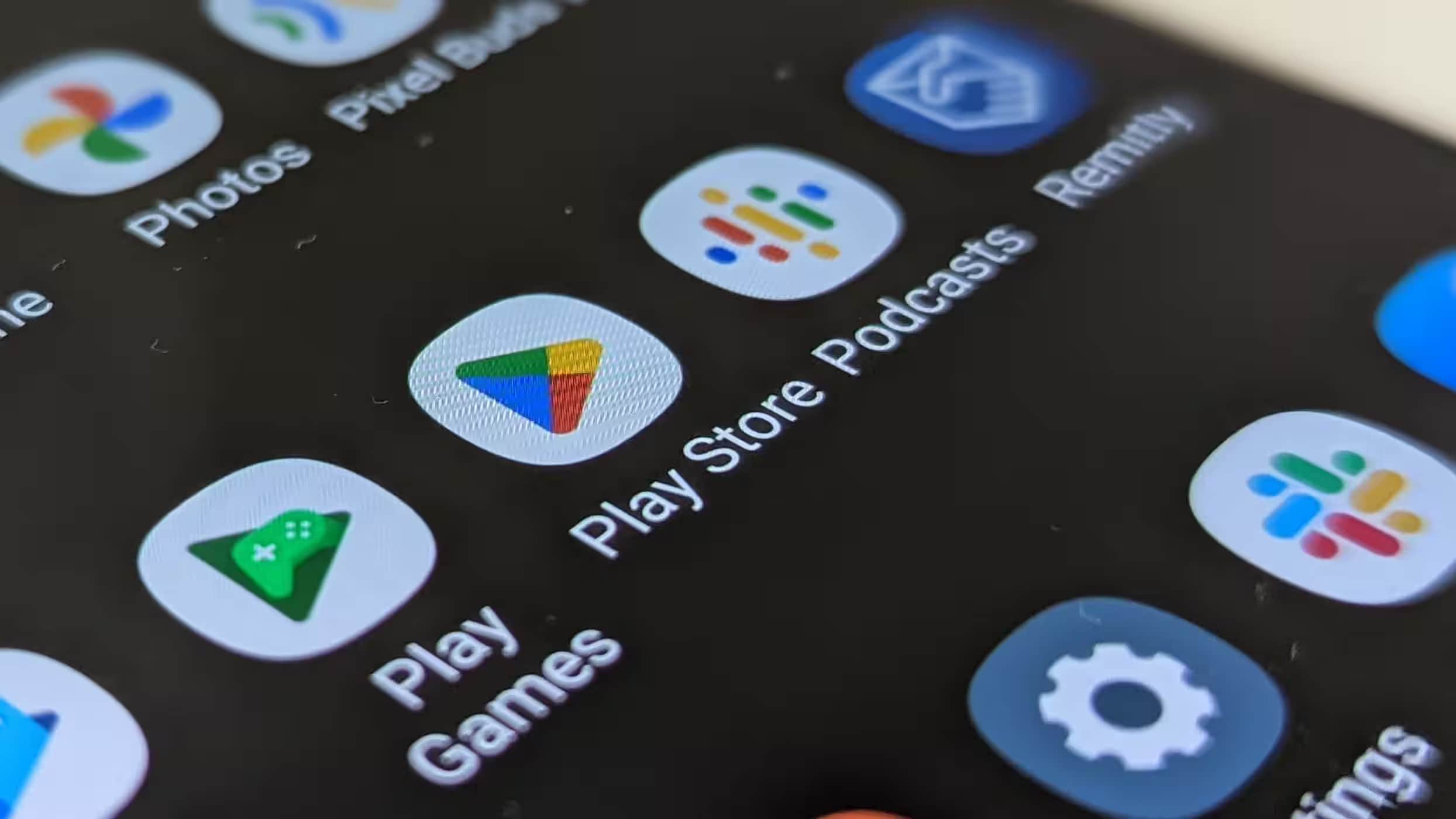
Google is reportedly trying a less controversial route for AI training data: paying Play Store developers for access to their app code. The company has been quietly contacting select Google Play developers with apps that have millions of downloads, offering a non-exclusive license so Google can use the code to improve Gemini and its AI coding tools while developers keep ownership and can sell the same code elsewhere.
The odd part is not the deal itself. It is the stealth. The email reportedly does not even say “AI” up front, even though the linked page points developers toward partnerships meant to improve Google’s AI products. For an industry that has spent years getting roasted for scraping first and apologizing later, that is a rare attempt to pay for the goods before taking them to the lab.
Google wants real-world code, not toy examples
Google’s pitch appears aimed at improving “high-quality, real-world codebases” for tools such as Gemini and its coding agent Antigravity 2.0. That points to a familiar problem: AI coding assistants are only as good as the code they learn from, and the market leaders are already trained on huge amounts of public and licensed material. If Google wants to catch Claude Code and GitHub Copilot, it needs more than polished demos.
- Target group: Play Store developers with apps that have millions of downloads
- License type: non-exclusive, so developers keep ownership
- Stated goal: improve Google’s AI coding tools with real-world codebases
Why this looks more like Reddit than scraping
Google has done something similar before. In 2024, it struck a $60 million deal with Reddit for access to posts for AI training instead of relying on the kind of unattended scraping that has triggered a backlash across publishing, art, and software. The pattern matters: when training data gets scarce, expensive, or legally sensitive, the companies with money start acting a lot more like licensors and a lot less like vacuum cleaners.
That shift is overdue. It also gives developers a cleaner choice than the usual AI bargain, where your work gets harvested and you get a shrug. The catch is that Google seems happy to make the offer quietly, which suggests it still wants the benefits of looking principled without the PR cost of advertising exactly how much it needs outside code.

Recommended reading
Deepfakes Put Mass Biometrics Under Pressure
What developers are actually being offered
On paper, the pitch is straightforward: let Google use your app code, keep your rights, and get a new revenue stream. In practice, that could become one more sign that proprietary developer data is becoming a tradable asset, especially for companies with enough downloads to interest a search giant. The open question is whether this stays a selective partnership program or becomes the template for how AI firms buy high-value code in public, one license at a time.

AI Editor
Ava covers the rapidly evolving world of artificial intelligence, from foundational models and research labs to the real-world economics of intelligence. With a background in computational linguistics, she cuts through the hype to find out what actually works. She firmly believes that benchmarks are just marketing until reproduced in the wild.