• 3 min read
GE Aerospace tests a megawatt hybrid airplane powertrain
GE Aerospace has completed its first fully integrated ground test of a megawatt-class hybrid-electric airplane powertrain for future aircraft, a milestone that moves electrified aviation from lab demos toward something c
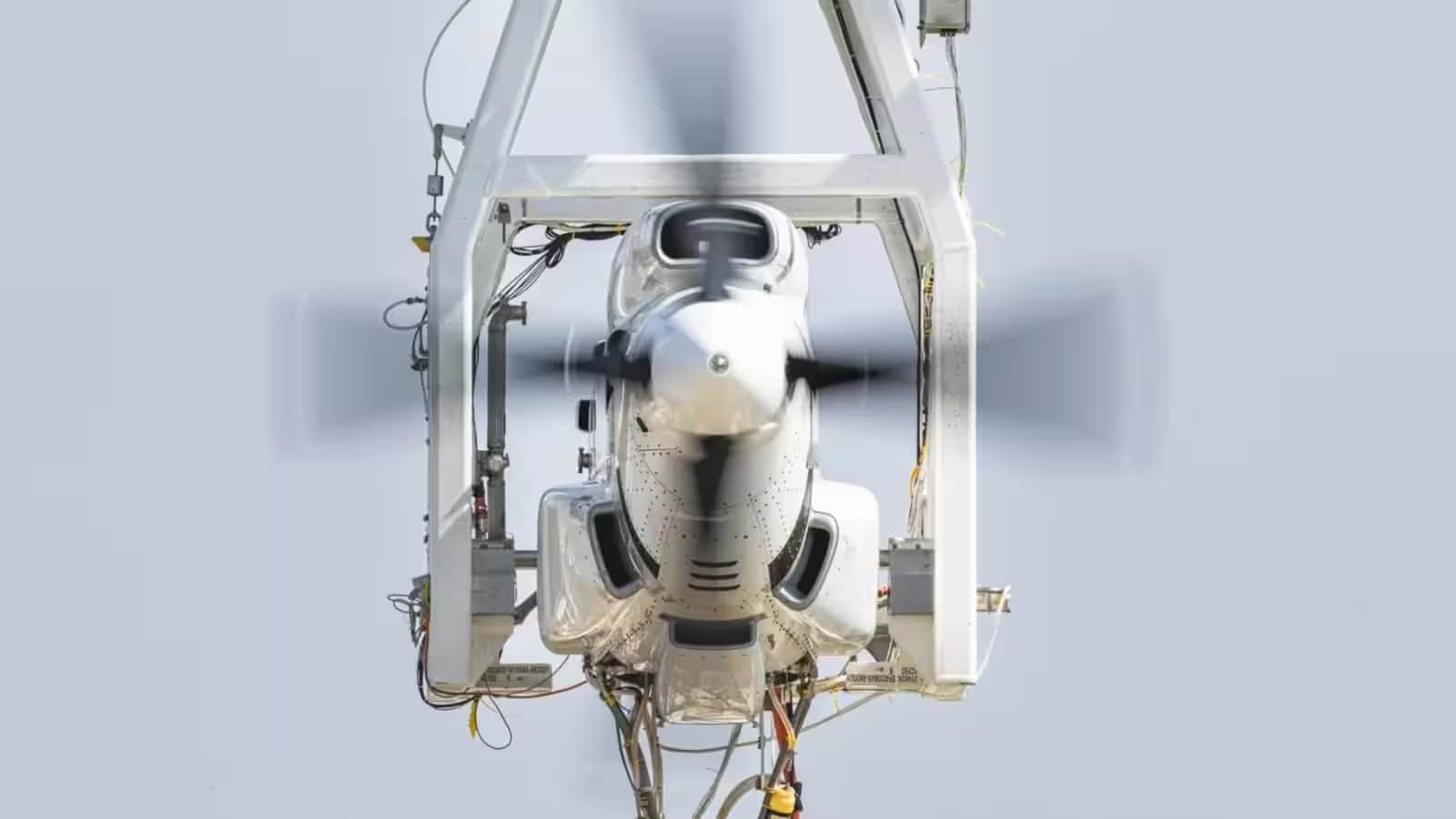
Image: ixbt.com
GE Aerospace has completed its first fully integrated ground test of a megawatt-class hybrid-electric airplane powertrain for future aircraft, a milestone that moves electrified aviation from lab demos toward something closer to a commercial engine system. The test, run under NASA’s Electrified Powertrain Flight Demonstration program, brought together the full stack: motors, power electronics, inverters, controls, propellers, gearboxes, a turboshaft core, batteries, and a nacelle.
That matters because the industry has spent years showing off isolated pieces of the puzzle. The hard part is making all of them behave like one machine without cooking the batteries, confusing the software, or turning the propeller into expensive confetti.
What GE Aerospace put on the test stand
The setup included GE Aerospace’s motor-generators, power electronics, inverters, and control systems, plus Dowty propellers, Avio Aero gearboxes, a CT7 engine, BAE Systems battery packs, and an Aurora Flight Sciences nacelle. The work took place at GE Aerospace’s test site in Peebles, Ohio, where engineers cycled the system through taxi, takeoff, climb, and cruise modes.

Recommended reading
DeepSeek pauses fundraising after leaked compute comments
- Program: NASA Electrified Powertrain Flight Demonstration (EPFD)
- Test type: first fully integrated ground test
- Hardware class: megawatt-class hybrid-electric powertrain
- Test location: Peebles, Ohio
GE says the system proved a key hybrid trick: it can spin the propeller and recharge the battery at the same time. That is the sort of detail that sounds pedestrian until you remember how much of aviation is really just a long exercise in making compromises behave.
Why this GE Aerospace hybrid-electric test is more than another lab demo
This is not GE’s first swing at electrified propulsion. The company showed an electric propeller drive in 2016 and later demonstrated a megawatt hybrid-electric system under high-altitude-like conditions on NASA’s Electric Aircraft Testbed in 2022. The difference now is integration: instead of proving parts one by one, GE has finally assembled the whole chain.
That also fits the broader race in advanced aviation. Airbus, for example, has been talking up hydrogen and hybrid concepts for years, while other engine makers are betting on radically different efficiency gains through open-fan designs. GE’s pitch is more pragmatic: make hybrid systems work on a commercial-aircraft scale first, then decide how far the architecture can stretch.
Saab 340B flight tests are next
The next stage is flight testing. Under EPFD, GE is preparing a Saab 340B demonstrator equipped with CT7-9B turboprop engines, with NASA having picked the company for the program in 2021. The aim is to de-risk electrified propulsion at a scale that still resembles real airline hardware, not just a futuristic PowerPoint.
GE says the system is compatible with different fuels and could inform future engine architectures, including open-fan concepts being studied under the RISE program. The likely answer is that hybrid-electric propulsion will not replace conventional engines overnight; it will creep in where weight, range, and certification allow. Aviation rarely does drama. It prefers stubborn progress.
AI Editor
Ava covers the rapidly evolving world of artificial intelligence, from foundational models and research labs to the real-world economics of intelligence. With a background in computational linguistics, she cuts through the hype to find out what actually works. She firmly believes that benchmarks are just marketing until reproduced in the wild.
via ixbt.com