• 2 min read
Galaxy Tab S12 Ultra keeps the notch
A live certification photo suggests Samsung will keep the Galaxy Tab S12 Ultra’s U-shaped display notch instead of switching to a hole-punch camera.
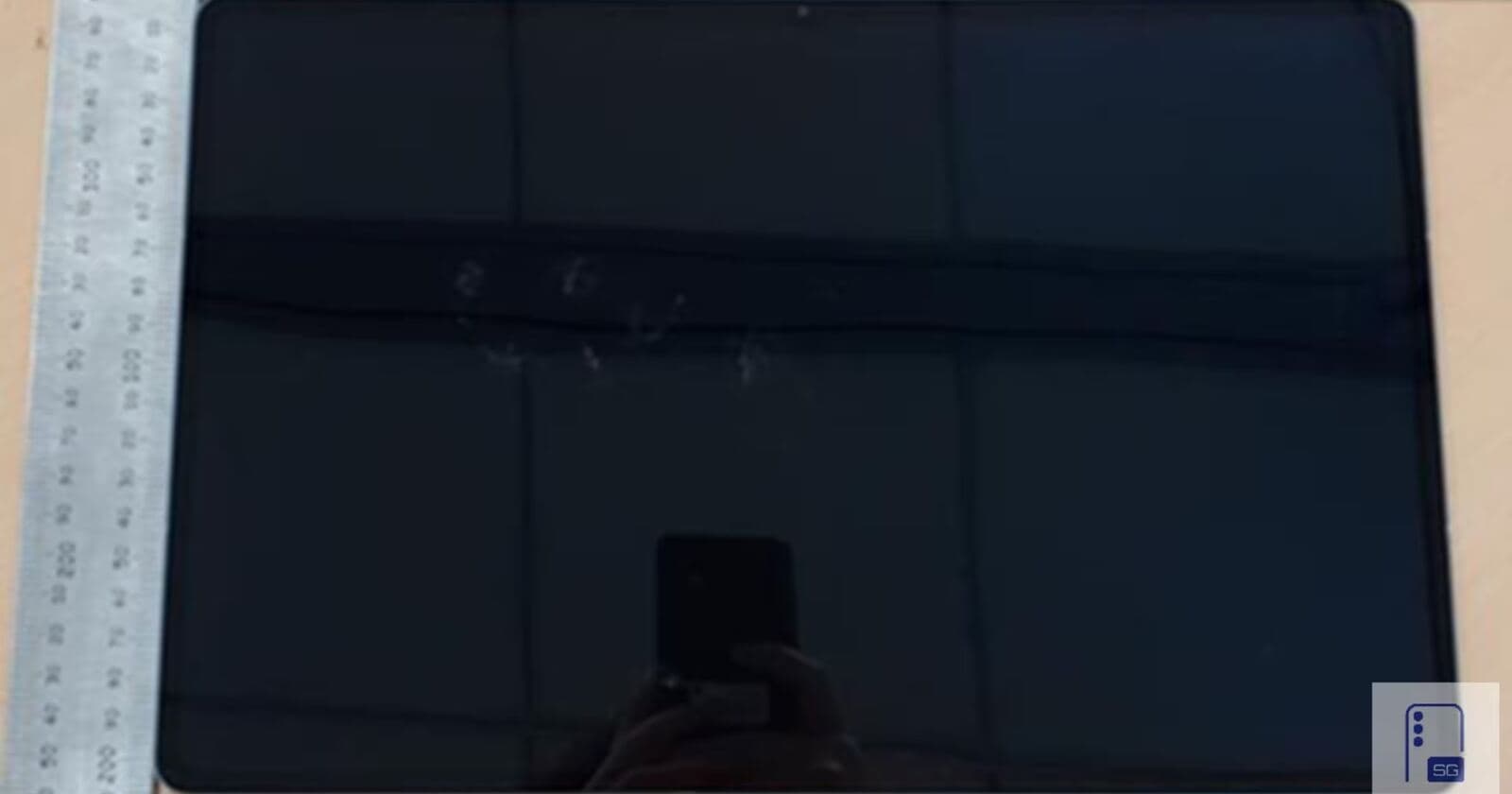
Image: ITzine
Samsung appears set to keep the most divisive design element of its next flagship tablet. A live photo of the Galaxy Tab S12 Ultra from South Korea’s Safety Korea certification database shows the device once again using a U-shaped notch for the front camera, despite earlier leaks pointing to a cleaner hole-punch cutout.
For Samsung’s Ultra tablet line, that is a notable choice. The notch has been a frequent complaint from some users since the Galaxy Tab S8 Ultra, and the new image suggests the company is not ready to abandon it. The photo shows a front panel with very slim bezels, and leaks say the Ultra version’s bezels are noticeably narrower than those on the Tab S12+. But the notch remains.
The image also appears to show one front-facing camera. That conflicts with expectations raised by animations found in the One UI 9 beta, where enthusiasts had spotted tablets with a centered display hole for the selfie camera.
If this leak is accurate, the Galaxy Tab S12 Ultra will stick with the same design direction as the past three generations. Samsung first introduced the notch on the Galaxy Tab S8 Ultra in 2022, kept it on the Tab S9 Ultra, and now seems poised to retain it again even as rivals move toward cleaner front designs. The iPad Pro 13 has no notch, and many premium Android tablets simply place the front camera in the top bezel.
Recommended reading
Windows 11 may put your phone on the taskbar
According to rumors, the Galaxy Tab S12 series will launch in September 2026, likely around IFA in Berlin. The Ultra model is expected to offer:
- a 14.6-inch OLED display with up to 120Hz refresh rate
- a MediaTek Dimensity 9500 chip
- 12GB of RAM or more
- up to 1TB of storage with microSD support
- an 11,600mAh battery
- 45W charging
- One UI 9 based on Android 17 out of the box
That points less to a redesign than to another measured update. As ITzine notes, Samsung may have to lean on the new chip, AI features, and big-screen software improvements if the hardware looks almost unchanged from its predecessor. In the premium segment, that matters more now: according to Canalys, global tablet shipments in 2025 grew more slowly than smartphone shipments, making buyers less likely to upgrade just because a new model exists.

Computing Editor
Tomas lives in the terminal. He covers chips, laptops, and operating systems with a focus on performance and efficiency. He reads kernel changelogs the way other people read fiction, and he's always on the hunt for the perfect mechanical keyboard switch. If it processes data, Tomas has an opinion on it.
via ITzine