• 2 min read
Samsung pushes a 898 MB security update to Galaxy S25 phones
Samsung has started rolling out a much larger-than-usual June security update for the Galaxy S25 family, including the Galaxy S25 FE, Galaxy S25, Galaxy S25+, Galaxy S25 Ultra, and Galaxy S25 Edge. The Galaxy S25 securit
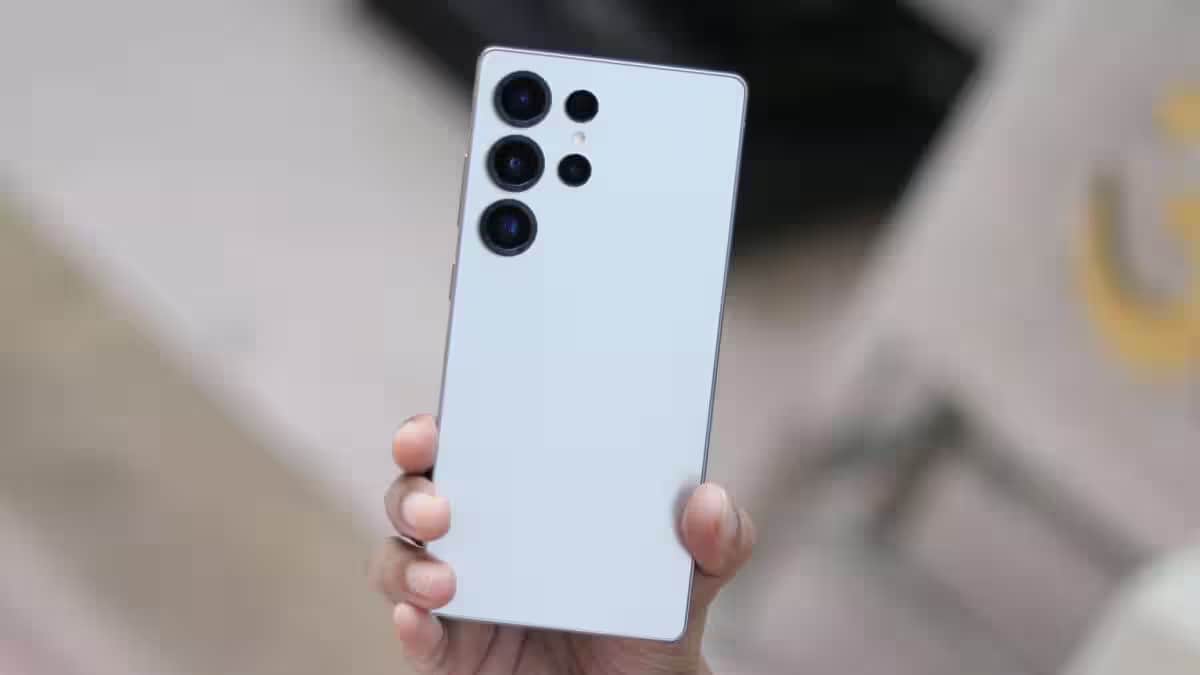
Image: ixbt.com
Samsung has started rolling out a much larger-than-usual June security update for the Galaxy S25 family, including the Galaxy S25 FE, Galaxy S25, Galaxy S25+, Galaxy S25 Ultra, and Galaxy S25 Edge. The Galaxy S25 security update is 898 MB, which is hefty for a monthly security release and suggests this is doing more than the usual quiet cleanup.
For now, the update is reaching users in South Korea first, which is standard Samsung behaviour. The build number is S93xNKSUACZF1, and Samsung says the patch fixes 45 security vulnerabilities in total.
What the June patch fixes
Samsung says five of the fixes address critical Android flaws, while the rest cover problems in its own software stack. That includes Samsung Account, Samsung Cloud, Theme Manager, and other One UI components – the sort of plumbing most people never think about until it breaks, leaks, or gets abused.
- 45 security issues fixed
- 5 critical Android vulnerabilities
- Samsung Account, Samsung Cloud, and Theme Manager among the patched components
- Update size: 898 MB
Why the Galaxy S25 security update is unusually large
Monthly security patches from Samsung are typically about half this size, so the 898 MB download stands out. A bigger package usually means a broader bundle of fixes, and Samsung has already been busy on the software front: this is the second update for the Galaxy S25 series after One UI 8.5 arrived with a refreshed interface and new Galaxy AI features.
Some of those features have already trickled down from newer hardware. Recent additions include Prioritise Notifications and File Summaries, both of which were previously tied to the Galaxy S26 line. Samsung is also testing One UI 9.0 on the Galaxy S26 series, and the obvious question is whether the Galaxy S25 family gets pulled into that beta programme later too.
Recommended reading
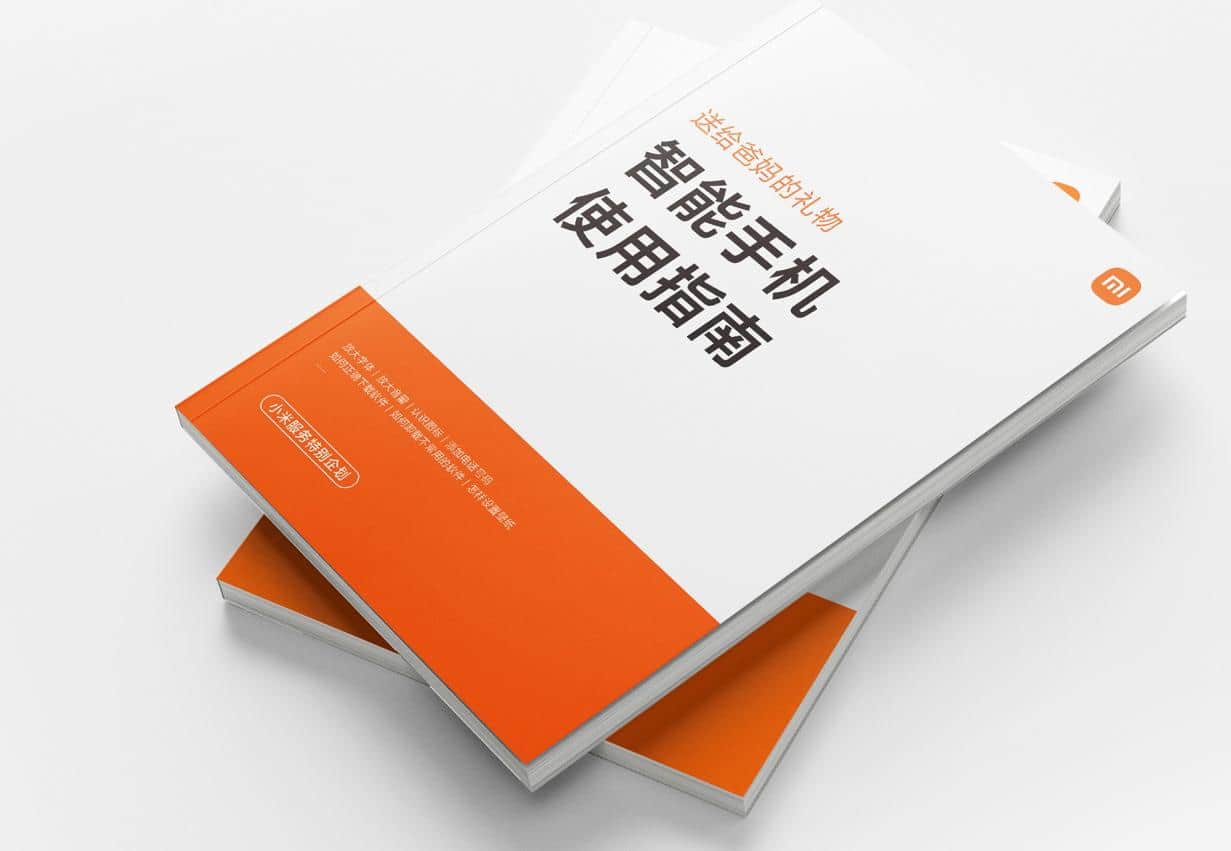
Xiaomi prints 1 million smartphone guides for seniors
Galaxy S25 owners should expect a staggered rollout
If you own one of these phones, this update will likely reach your market in waves rather than all at once. Samsung has a habit of starting in Korea, then widening the rollout once the first batch looks clean, which is dull but sensible when the package is this large.
The bigger picture is simple: Samsung is moving quickly to lock down its newest flagships while it pushes the next One UI cycle forward. That usually means faster feature sharing, but it also means more code, more surface area, and, inevitably, more chances for security holes to appear in the first place.
Gadgets Editor
Eli is obsessed with the tangible future. He reviews phones, wearables, and everything with a battery. Known for his rigorous testing protocols and unabashed teardowns, Eli has broken more review units than he cares to admit, all in the name of discovering the truth about durability and repairability.
via ixbt.com