• 4 min read
FCC restrictions put future robot vacuums under scrutiny
New FCC restrictions cover future robot vacuums, raising potential security, supply, price, and availability concerns for US shoppers.
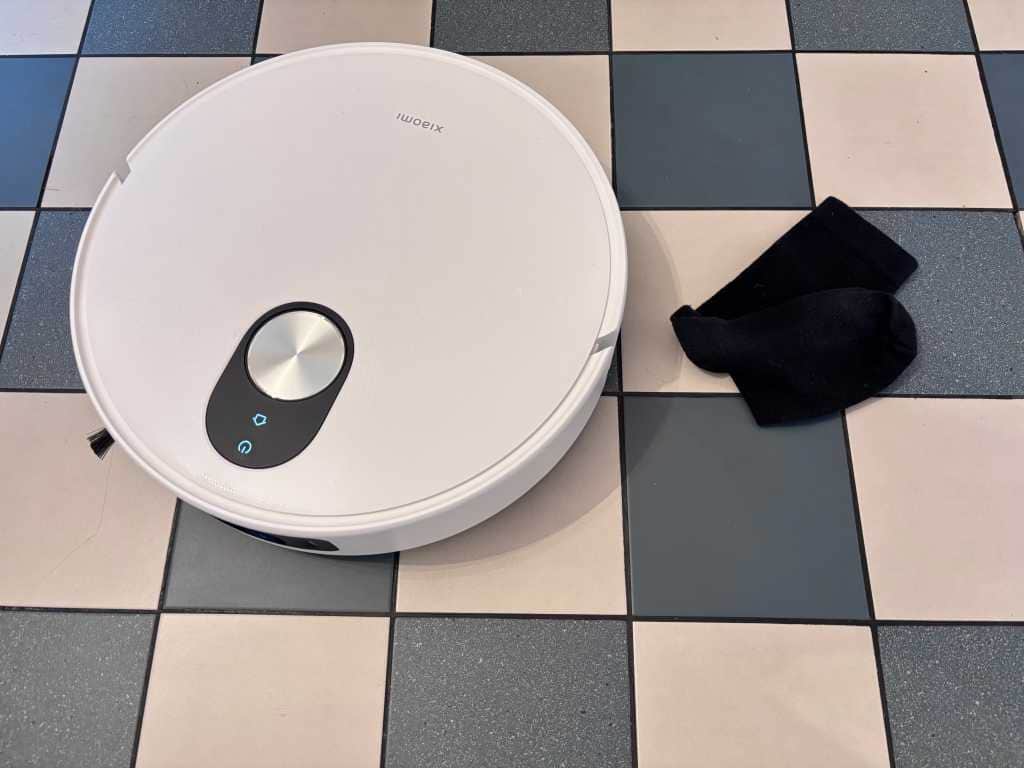
Image: PCWorld
The FCC has tightened its rules for future robot vacuums sold in the US, treating them as part of a broader category of “advanced robotic devices” that could create national-security and cybersecurity risks.
The change does not disable vacuums already in homes, and it does not immediately remove previously approved models from stores. But it could make it harder for some new products to reach American shoppers, particularly from Chinese manufacturers that dominate much of the connected robot-vacuum market.
Why the FCC is targeting robot vacuums
According to the Federal Communications Commission, the restrictions cover “mobile robots, such as humanoids and quadrupeds,” along with autonomous mobile robots. PCWorld reported that the FCC confirmed the category also includes robot vacuums and lawn mowers.

Recommended reading
Samsung details its open Dolby Atmos rival
That classification reflects how much more capable premium cleaning robots have become. Modern models can combine cameras, LiDAR sensors, internet connectivity, cloud services, and AI-powered object recognition. In practice, they can map a home, capture images, identify objects, and communicate with remote systems while moving through rooms without direct supervision.
The US government’s concern is that poorly secured connected robots could expose sensitive information, including home layouts, camera images, and other data. Internet-connected devices may also create paths for unauthorized remote access. The risk is not purely theoretical: a previously reported security incident involving DJI’s Romo robot vacuums showed how a flaw could allow a researcher to see and control thousands of devices. A security flaw exposed DJI Romo vacuum controls in February.
The FCC’s reasoning also extends beyond individual privacy. US officials are increasingly examining dependence on overseas suppliers for connected technology, arguing that supply-chain disruption could affect access to critical devices and services. The agency has applied similar scrutiny to networking equipment, including routers made outside the United States.
Existing vacuums are not being bricked
The key distinction is between products already authorized by the FCC and devices that have not yet received approval.
The FCC told PCWorld by email:
“We can confirm that this will cover vacuums and lawn mowers. That said, please note that this action does not impact a consumer’s continued use of devices they previously acquired. Nor does it prevent retailers from continuing to sell, import, or market relevant models approved previously through the FCC’s equipment authorization process.”
That means owners can continue using their existing robot vacuums. Retailers can also continue selling, importing, and marketing models that already passed the equipment-authorization process. The restriction instead applies to future devices that have not yet been approved.
The FCC also allows companies to apply for exceptions, but the agency has not said how many foreign manufacturers will receive them or what standards those applications will need to meet.
Chinese manufacturers face the biggest uncertainty
The rule could affect companies including Roborock, Ecovacs, Dreame Technology, and Xiaomi, all of which PCWorld identified as major Chinese robot-vacuum manufacturers. Their products will still need FCC authorization before future models can be sold in the US, even if those devices are otherwise ready for launch.
For consumers, the immediate impact is limited: existing products remain usable and previously approved models can remain on sale. The more consequential change is ahead. New models could face longer approval delays, reduced selection, or higher prices if manufacturers must redesign products, seek exceptions, or navigate a more restrictive authorization process.
The reporting does not establish a specific effective date, enforcement timeline, or price impact, and it does not identify which models or companies will be denied approval. That missing information matters because the rule’s practical effect depends on how the FCC handles exceptions and future applications.
Still, the policy is more than a cosmetic label change. By putting connected vacuums inside the FCC’s advanced-robotics restrictions, the US is treating them as networked sensing platforms—not merely household appliances. The result is a real risk of fewer choices and higher prices for future US buyers, while today’s robot vacuums remain unaffected.
Frontier Editor
Dan is our resident futurist, covering electric mobility, space exploration, and the smart home. He's interested in atoms just as much as bits. Whether it's a new battery chemistry, a reusable rocket, or a protocol that finally makes IoT devices talk to each other, Dan breaks down the engineering that pushes humanity forward.
via PCWorld