• 3 min read
Codex’s free quota resets are becoming a burden
Frequent, unannounced Codex quota resets are frustrating power users who plan their work around weekly limits and risk wasting paid capacity.
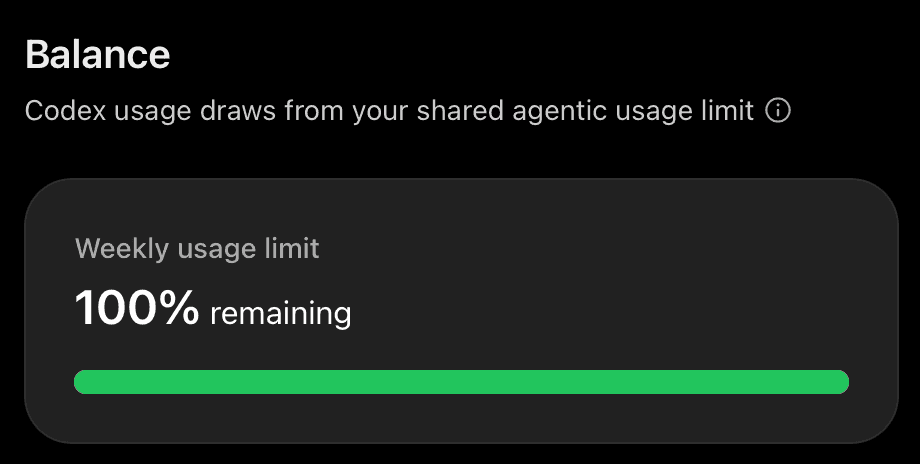
Image: https://codex-resets.com
Weekly quota resets are supposed to feel like a bonus. For heavy users of subscription coding agents such as Claude Code and Codex, they can feel more like a deadline arriving without warning.
These services use five-hour and weekly usage quotas for understandable reasons. Shorter limits help spread demand and reduce server overload, while weekly caps stop users from consuming a month’s allowance in one day and then cancelling. Anthropic and OpenAI have adjusted those limits before, including temporary increases and, in some cases, removing the five-hour cap.
The providers also reset weekly quotas for everyone, sometimes as compensation for technical problems. On a $100-per-month Codex plan, a full weekly reset is effectively worth $25. With expensive frontier models such as Fable 5 and GPT-5.6 Sol, exhausting that allowance is increasingly easy.
The problem is that these resets are rarely announced through official channels. Unless users follow people such as Thibault Sottiaux, Codex’s engineering lead, they may simply open the service and discover their quota has returned to 100%. A reset can even arrive only hours before the normal reset, limiting its practical value.
Recommended reading
ADA Turns Spreadsheets Into Auditable BI
OpenAI’s recent Codex resets
Since the release of Fable 5/GPT-5.6, the resets have become much more frequent. Over the past two weeks, OpenAI directly reset Codex’s weekly quota six times:
- July 9
- July 10
- July 10 again
- July 14
- July 15
- July 17
There is also Codex’s less-publicized banked-reset system. OpenAI issued additional resets on July 12 and July 13 that users can manually activate, though they expire after 30 days. The site codex-resets.com tracks these events.
The author upgraded from the $20-per-month Codex plan to the $100-per-month plan after repeatedly hitting five-hour limits and anticipating GPT-5.6. Using GPT-5.5's 5x prompt capacity, they were able to exhaust the weekly quota consistently, monitoring usage in a browser and setting phone reminders for reset times. They also wished for an official endpoint to check usage and reset schedules programmatically.
Free quota with a hidden cost
GPT-5.6 Sol has performed well enough that the author created new projects to test it. Its quota consumption rate was roughly the same as GPT-5.5, even with a prompt running continuously. Yet nearly every reset after GPT-5.6's release occurred while more than 50% of the weekly quota remained, creating the feeling of wasting about $12.
Resets also unset the weekly reset time, requiring another prompt to establish it again. What should be a reward instead forces users to invent new work quickly before the quota disappears again.
The author suggests the surge may be linked to an unusually busy July, when Fable 5, GPT-5.6 Sol, Grok 4.5, Muse Spark 1.1, and Kimi K3 expanded the range of competitive models. A more cynical explanation is that the resets keep power users experimenting with OpenAI’s products after they might otherwise switch to competitors.
Sottiaux even polled users on whether there were too many resets, drawing a few thousand responses. The resets are likely expensive, although they may be small compared with companies spending billions of dollars annually on capital expenditure. If they continue at this frequency, however, weekly quotas lose much of their meaning—and customers may have a reason to downgrade from $100 to $20 plans instead.

AI Editor
Ava covers the rapidly evolving world of artificial intelligence, from foundational models and research labs to the real-world economics of intelligence. With a background in computational linguistics, she cuts through the hype to find out what actually works. She firmly believes that benchmarks are just marketing until reproduced in the wild.
via Hacker News