• 2 min read
China starts serial production of DUV lithography systems
China has started serial production of immersion DUV lithography systems, with five planned for 2026 and about 20 targeted for 2027.
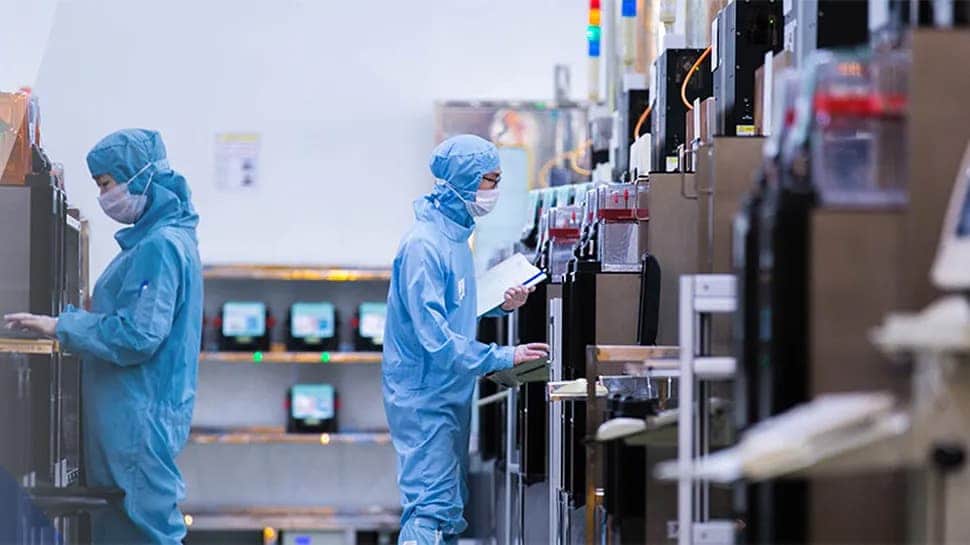
Image: iXBT
China has begun serial production of immersion DUV lithography systems, equipment central to modern chip manufacturing. According to The Information, citing sources familiar with the project, the first machines are expected to reach the country’s largest chipmakers in 2026: SMIC, Hua Hong Semiconductor, and ChangXin Memory Technologies (CXMT).
The unnamed manufacturer reportedly plans to produce about five systems in 2026, increasing output to roughly 20 machines in 2027. Sources say the project involved several Chinese companies, including the state-backed startup Shanghai Yuliangsheng Technology. A prototype has been undergoing testing at an SMIC facility since September 2025.
China’s DUV capabilities
Most of the system’s components are made domestically, although some critical assemblies are sourced from Japan. Difficulties securing those parts are currently limiting the pace of production.
Immersion DUV lithography is among the most challenging technologies used to manufacture modern chips. It can produce semiconductors at around 28nm in a single exposure cycle. With multiple patterning, the same class of equipment can reportedly manufacture chips at approximately 7nm.
ASML restrictions under consideration
China’s push comes as pressure from the United States intensifies. Congress is considering the MATCH Act, which could prevent Dutch company ASML from not only supplying new immersion DUV systems to Chinese companies, but also servicing equipment already installed there.

Recommended reading
Nadella warns companies against relying on one AI
SMIC, Hua Hong, and CXMT are among the companies that could potentially be affected by the legislation. The planned domestic production would give them an alternative source, although Japan-dependent components remain a constraint.
Enterprise Editor
Marcus follows the money. He covers enterprise software, cloud architecture, and the tectonic shifts in Big Tech strategy. He translates dense earnings calls and complex M&A activity into actionable insights about where the industry is actually heading. If a tech giant makes a silent pivot, Marcus is usually the first to notice.
via iXBT