• 2 min read
Chery will build cars at Nissan’s UK Sunderland plant
Chery will build cars at Nissan’s Sunderland plant after the two companies signed a memorandum of understanding, with output due to start in the 2027 financial year. Nissan wants to fill spare capacity at the UK factory,
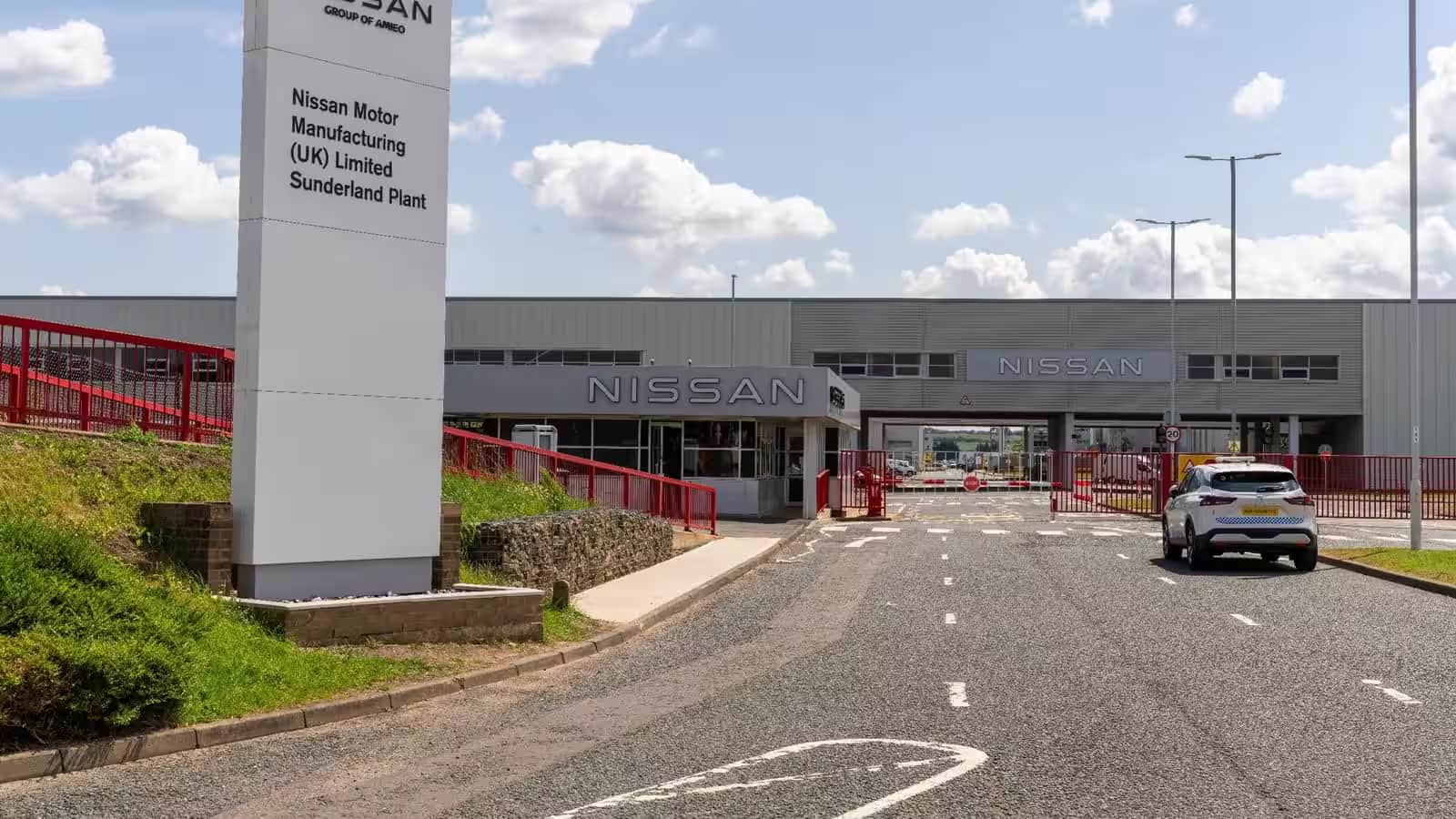
Image: ixbt.com
Chery will build cars at Nissan’s Sunderland plant after the two companies signed a memorandum of understanding, with output due to start in the 2027 financial year. Nissan wants to fill spare capacity at the UK factory, while Chery gets a local production base in Europe instead of relying only on imports.
The deal is a clear sign of where the auto industry is heading: Chinese brands are no longer content with shipping cars into Europe one container at a time. They want local production, lower logistics costs, and a buffer against trade friction. Nissan, meanwhile, gets a practical answer to the problem of an underused factory.
What Nissan and Chery have agreed
The companies have not said which Chery models will be built in Sunderland, and the finer details are still to come. For now, the key fact is the timing: production is planned for the 2027 financial year, and the arrangement is framed as a partnership rather than a full takeover or a new plant build.
Recommended reading
Hyundai separates Atlas plans from strike talks
Nissan has already reworked the Sunderland site to make better use of its lines, concentrating Leaf, Qashqai, and Juke production on one line. That left another line underloaded, which is corporate shorthand for a factory that needs a partner with volume.
Why Chery wants local production in Europe
Chery has been pushing hard into Europe through Omoda and Jaecoo, alongside its own Chery badge. In the UK, the combined share of those brands has already climbed close to 7%, according to local market data cited in the source. That is still well short of the established European and Japanese players, but it is enough to justify a manufacturing base if the company wants to keep growing.
There is also precedent for this kind of move. Chery has already lined up production at Nissan’s former plant in Barcelona with local brand Ebro, which suggests a broader playbook: build where the market is, not just where the cars are cheap to assemble. European rivals such as Stellantis and Volkswagen have spent years trying to balance the same equation, but Chinese entrants are arriving with fewer legacy constraints.
What happens next in Sunderland
The obvious open question is which Chery models will be assembled in the UK and how much volume Nissan is willing to hand over. The less obvious one is whether this becomes a one-off capacity fix or the start of a deeper manufacturing alliance. Either way, Sunderland is no longer just a Nissan story.
Frontier Editor
Dan is our resident futurist, covering electric mobility, space exploration, and the smart home. He's interested in atoms just as much as bits. Whether it's a new battery chemistry, a reusable rocket, or a protocol that finally makes IoT devices talk to each other, Dan breaks down the engineering that pushes humanity forward.
via ixbt.com