• 3 min read
California’s AI law may hide the warning users need
California’s AI transparency law mandates provenance data, but platforms control whether users see AI warnings when content first appears.
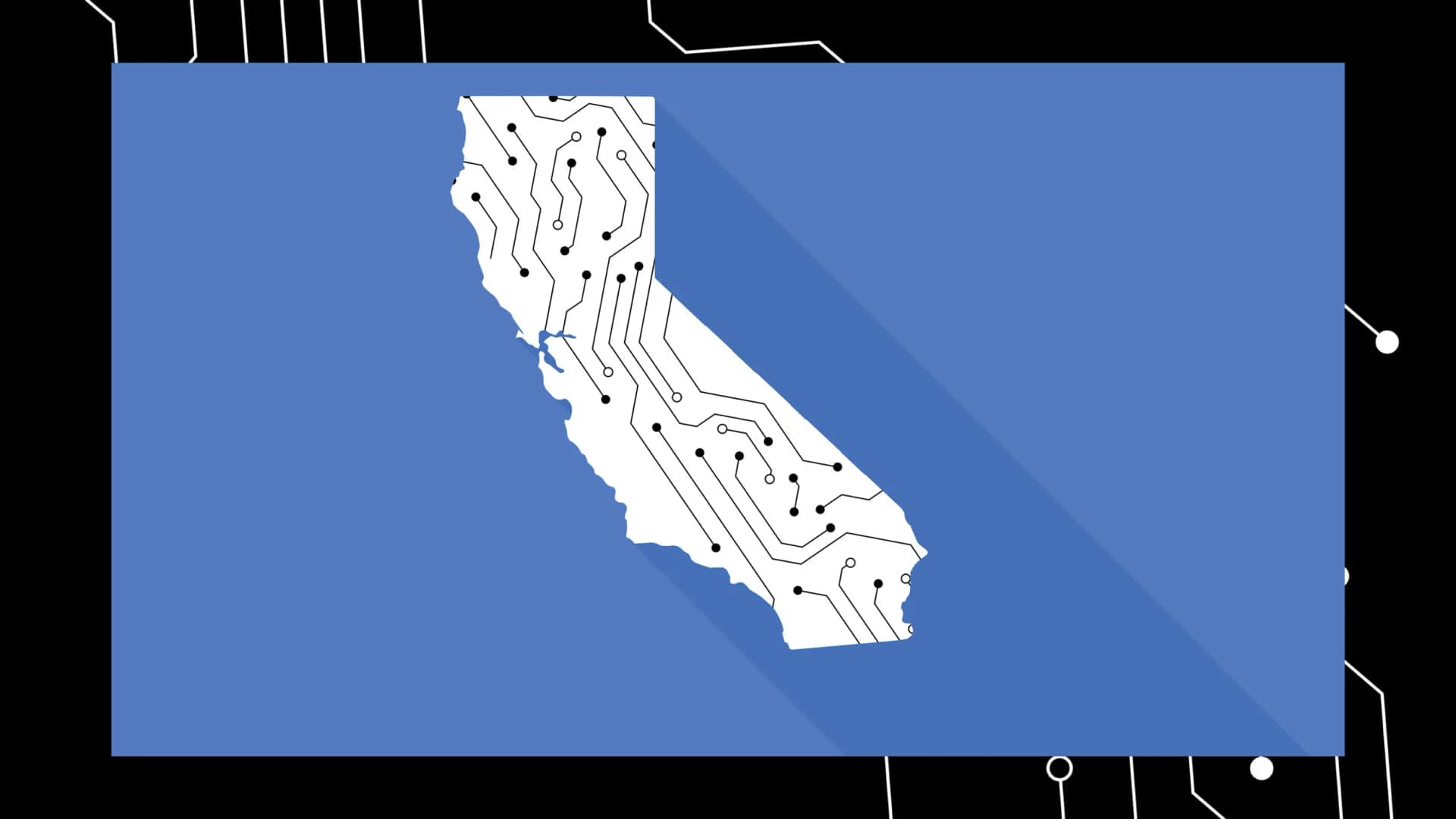
Image: Fast Company
California’s new AI transparency law is now in effect, but its definition of transparency may leave users without the most useful information: a clear warning at the moment they first see synthetic content.
Passed in 2024, the law creates a technical system for tracking the provenance of AI-generated images, video, and audio. It requires companies behind widely used AI generation tools to attach two forms of information:
- File metadata identifying who created the content, when it was made, and which tool generated it.
- Embedded provenance data containing a smaller version of the same information, hidden inside the content itself—for example, within an image’s pixels.
AI companies must also provide a free public detection tool capable of identifying either type of provenance data. Creation tools must give users a way to add a visible or audible AI-generated label, but the law does not require that label to be applied to every piece of content.
Platforms decide how visible the warning is
The law’s technical requirements are stronger than its consumer-facing ones. Starting next year, content distribution networks such as social platforms will have to alert users that provenance data is available. They can do that by linking to the data, letting users download it, or building an interface to display it.
But the law does not require that interface to appear next to the image, video, or audio it describes. A platform could attach an “AI-generated” label directly to the content, show a text link such as “content credentials available,” or use a small icon. The choice is left to the platform and its lawyers.

Recommended reading
WebKit leaks can expose users behind iCloud Private Relay
That creates a practical weakness: the provenance system may work correctly while remaining invisible during the user’s first impression. Someone scrolling through a social feed may not open a metadata panel or look for a separate credentials link before deciding whether content is authentic.
Technical provenance is not consumer transparency
The law therefore reflects two different meanings of transparency. For AI companies, transparency means creating and preserving a verifiable technical record of how content was made. For consumers, it means receiving an immediate signal that an image, recording, or video may not be what it appears to be.
California’s approach gives journalists, platforms, investigators, researchers, and courts useful infrastructure for examining content after the fact. It is less decisive at the point where misinformation can have its strongest effect: before a viewer has paused to investigate.
The unresolved issue is not whether provenance data exists, but whether platforms will make it prominent and adjacent to the content. California’s law leaves that critical design decision to the companies distributing synthetic media, so its consumer protection will depend less on the underlying standard than on how aggressively platforms choose to expose it.
Security Editor
Sophia unpacks the invisible wars happening on our networks. Covering cybersecurity, privacy legislation, and cryptography, she exposes how our data is weaponized and defended. Before joining for(geeks), she spent years as a penetration tester. She's the reason the rest of the team uses physical security keys.
via Fast Company