

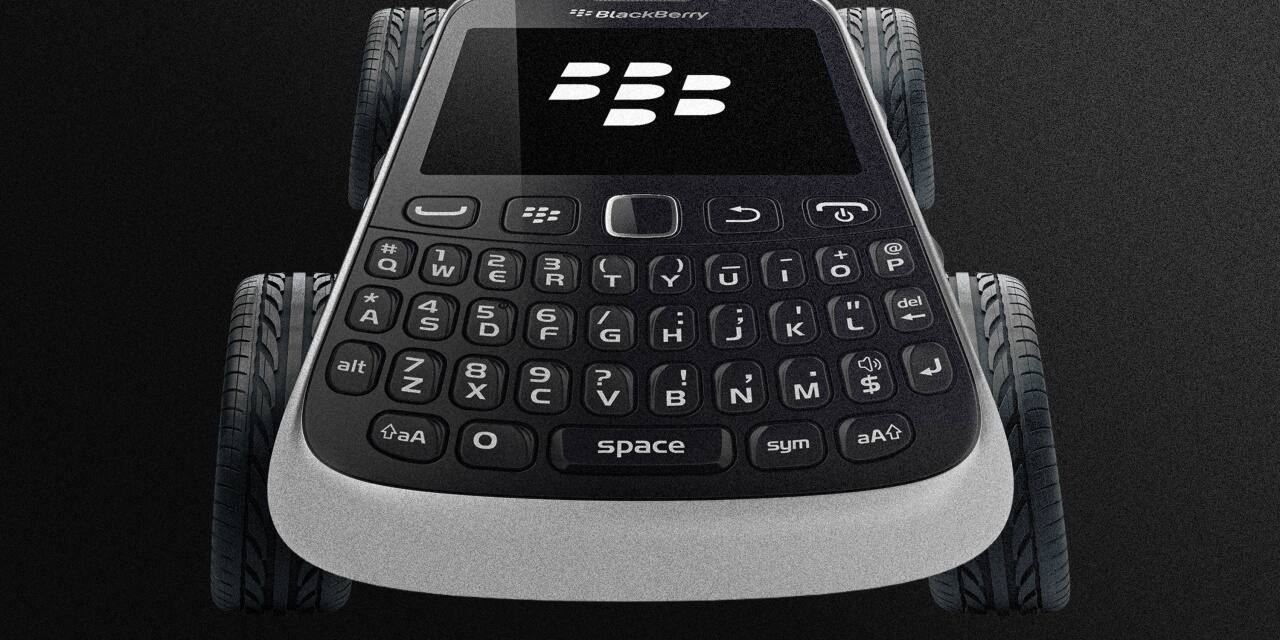
BlackBerry may be the punchline people remember from the keyboard-phone era, but the company is still very much alive – just not in the way most people expect. Its QNX software now runs in 275 million cars and has become the backbone of a business that is helping BlackBerry make money again.
That shift is the real story here: the brand that once sold phones is now making its best case as a supplier of invisible, safety-critical code. In a world where automakers and device makers want software that does not crash, that is suddenly a better business than trying to own the screen.
QNX is the part you never see
QNX is the operating system buried inside driver-assistance features such as collision warnings, blind-spot alerts, adaptive cruise control, pedestrian detection, and lane keeping. John Wall, who leads the division, describes his engineers as the plumbers and electricians of the connected-car age: nobody notices them unless something goes wrong, which is exactly the point.
That invisibility has turned into a moat. As cars have become computers on wheels, the pitch for QNX is not flash, but reliability – the kind that automakers, hospitals, and industrial customers pay for because they cannot afford random glitches. BlackBerry has even found the software inside surgical robots and medical devices, which is a pretty dramatic upgrade from Brick Breaker.
- QNX is embedded in 275 million cars on the road today.
- It also shows up in factory floors, medical devices, and surgical robots.
- BlackBerry says QNX now accounts for half of total revenue.
How BlackBerry got pushed deeper into cars
The company did not exactly choose this path out of pure strategy genius. BlackBerry bought QNX in 2010 to help with its next generation of phones, but by then the phone business was already collapsing. The real pivot came later, when Google and Apple started circling infotainment systems and QNX lost ground on the dashboard screen.
That setback turned out to be useful. After an Audi executive told Wall the automaker was moving to Google for infotainment, QNX shifted its focus to the software underneath the flashy interface – the safety systems that had to keep working no matter what. Sometimes losing the glamour job is how you end up with the better one.
A profitable comeback built on boring software
The numbers are hard to ignore. BlackBerry has posted four straight profitable quarters for the first time since its phones were going head-to-head with the iPhone, and after a bullish earnings call last month, the stock rose 50%. It is still down 96% from its peak, which is a reminder that a comeback can be real without being pretty.
There is a broader tech lesson in that recovery. In markets where everyone wants to talk about AI, autonomy, and interfaces, the companies quietly selling dependable infrastructure can end up with the most durable economics. BlackBerry is betting that the next chapter of computing will keep rewarding the unglamorous stuff that makes everything else work.
What BlackBerry QNX could become next
The question now is whether BlackBerry can turn this low-profile dominance into something bigger than a niche success story. It already has the credibility to keep winning in cars, and the move into hospitals and industrial systems suggests the company wants to be a default layer for any machine that cannot afford to fail.
If that happens, the BlackBerry brand may never regain its old cultural status – which is probably fine. The company seems happier being indispensable than famous, and in tech, that is often the better deal.