

IBM and Dallara have teamed up to rethink how race-car aerodynamics is designed, with a new approach that combines physical AI, CFD-trained models, and, longer term, quantum computing. The goal is simple: shrink aerodynamic simulation from days to minutes, so engineers can test far more shapes before the wind tunnel ever gets a look-in.
Dallara brings 50 years of motorsport engineering from IndyCar and other series. IBM brings the software and compute ambition. Together, they are trying to replace the old ”simulate, wait, tweak, repeat” loop with models that estimate drag, downforce, and stability directly from part geometry. That is the sort of tooling rivals in motorsport have been chasing for years, because the team that tests more ideas faster usually gets to the good stuff first.
AI CFD models cut race car design time
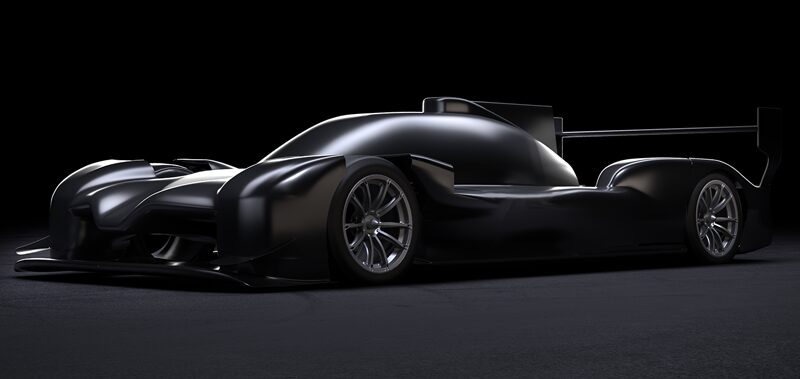
Traditional computational fluid dynamics is still the gold standard for accuracy, but it is painfully expensive in compute time. In the source example, a rear diffuser study for an LMP2 prototype took several hours with conventional CFD across multiple variants, while IBM’s AI model produced the same result in about 10 seconds and picked the best design with comparable error.
That difference matters because aero teams rarely evaluate one or two shapes. They work through hundreds, and each extra hour forces a trade-off between thoroughness and deadlines. Move that work into seconds, and the design process stops being a bottleneck and starts being a search problem.
From CFD data to track testing
The first models were trained on validated CFD data and Dallara’s technical knowledge, with future versions expected to incorporate results from wind-tunnel runs and track testing. That hybrid approach is smart: pure AI guesses are cute until they meet reality, and motorsport is full of expensive lessons about the gap between simulation and the asphalt.
The partners also want to explore quantum and hybrid quantum-classical computing for more precise simulations. IBM is not the first company to push quantum into engineering workflows, but this is the kind of use case that makes more sense than abstract demos: a hard optimization problem with lots of variables and a clear industrial payoff if it works.
Race car aerodynamics could spread beyond motorsport
The immediate beneficiary is Dallara’s own design pipeline, but the broader target is anyone obsessed with cutting drag. Even small gains in passenger cars or aircraft can add up to serious fuel savings across fleets, which is why every efficiency gain in aerodynamics tends to attract attention far outside racing circles.
The first scientific results from the collaboration have already been presented at a specialist conference. The open question is whether this stays a flashy acceleration tool for elite motorsport engineers or becomes a standard layer in aerospace and road-vehicle design too.