• 2 min read
Axiom Space opens Swiss hub for Europe’s post-ISS push
Axiom Space is planting a flag in Switzerland. The US company is opening Axiom Space Switzerland in Lucerne, making the city its main European base for work with the European Space Agency, national space agencies, univer
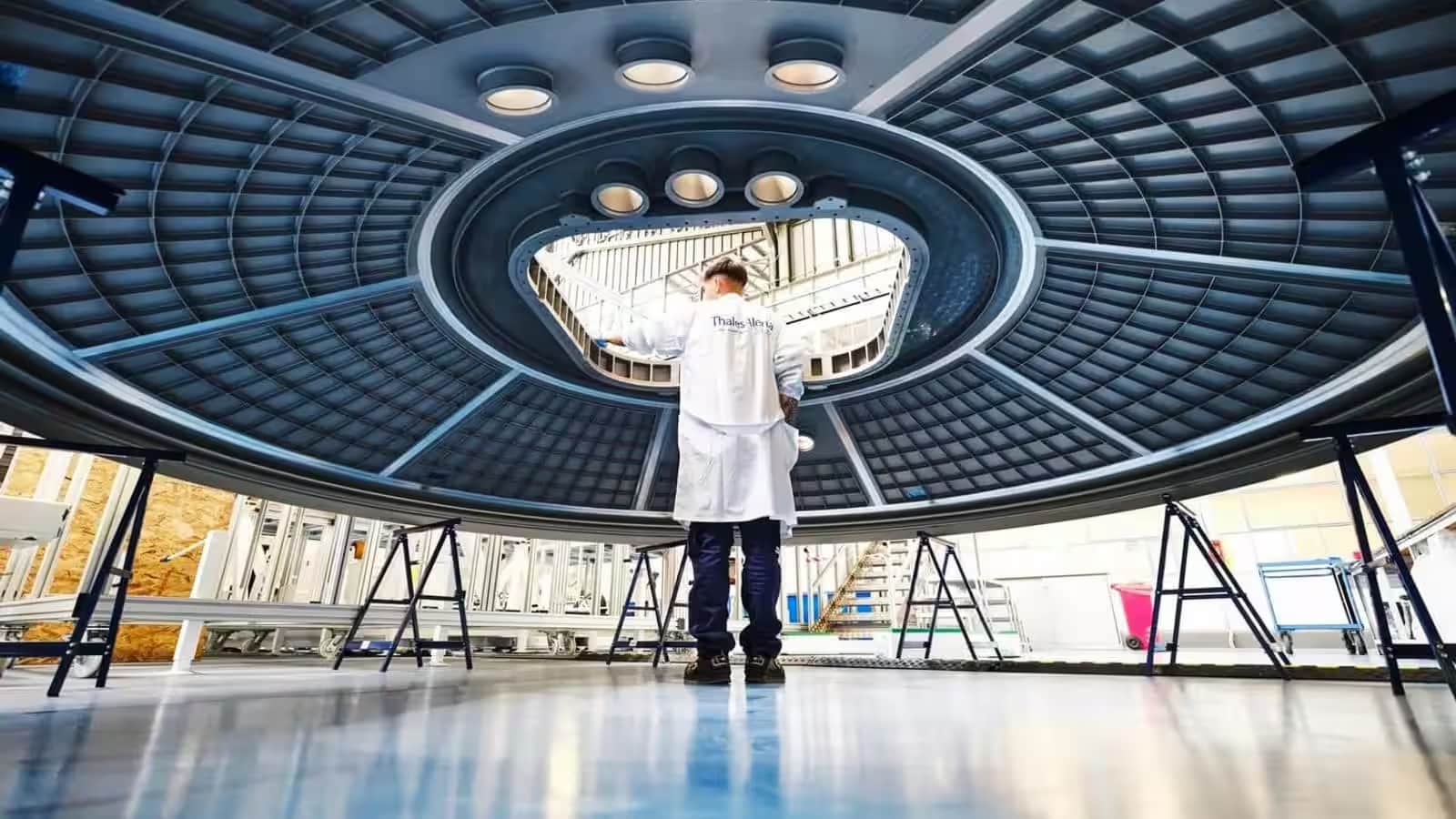
Image: ixbt.com
Axiom Space is planting a flag in Switzerland. The US company is opening Axiom Space Switzerland in Lucerne, making the city its main European base for work with the European Space Agency, national space agencies, universities, and industrial partners as it prepares for a commercial future after the ISS.
The new subsidiary is expected to begin operating in summer 2026. That timing matters: Axiom is not just hunting for a convenient office, it is trying to position itself early for the scramble to replace the ISS era with privately run orbital infrastructure. Europe already has deep space-industry roots, but the companies that secure local relationships now will have a far easier time turning science projects into contracts later.
Why Lucerne
Axiom says Switzerland stood out for its political neutrality, scientific reputation, and place inside one of Europe’s densest hubs for research and advanced technology. The choice also followed talks with federal and regional authorities, which suggests this was a deliberate landing zone rather than a symbolic address.
Jonathan Cirtain, Axiom Space’s chief executive, argued that Europe helped shape the modern commercial space economy and that Switzerland can bring together the public institutions, researchers, and industrial groups that will influence the next decade. That is a polite way of saying the company wants a foothold where the money, talent, and policy all overlap.
Recommended reading
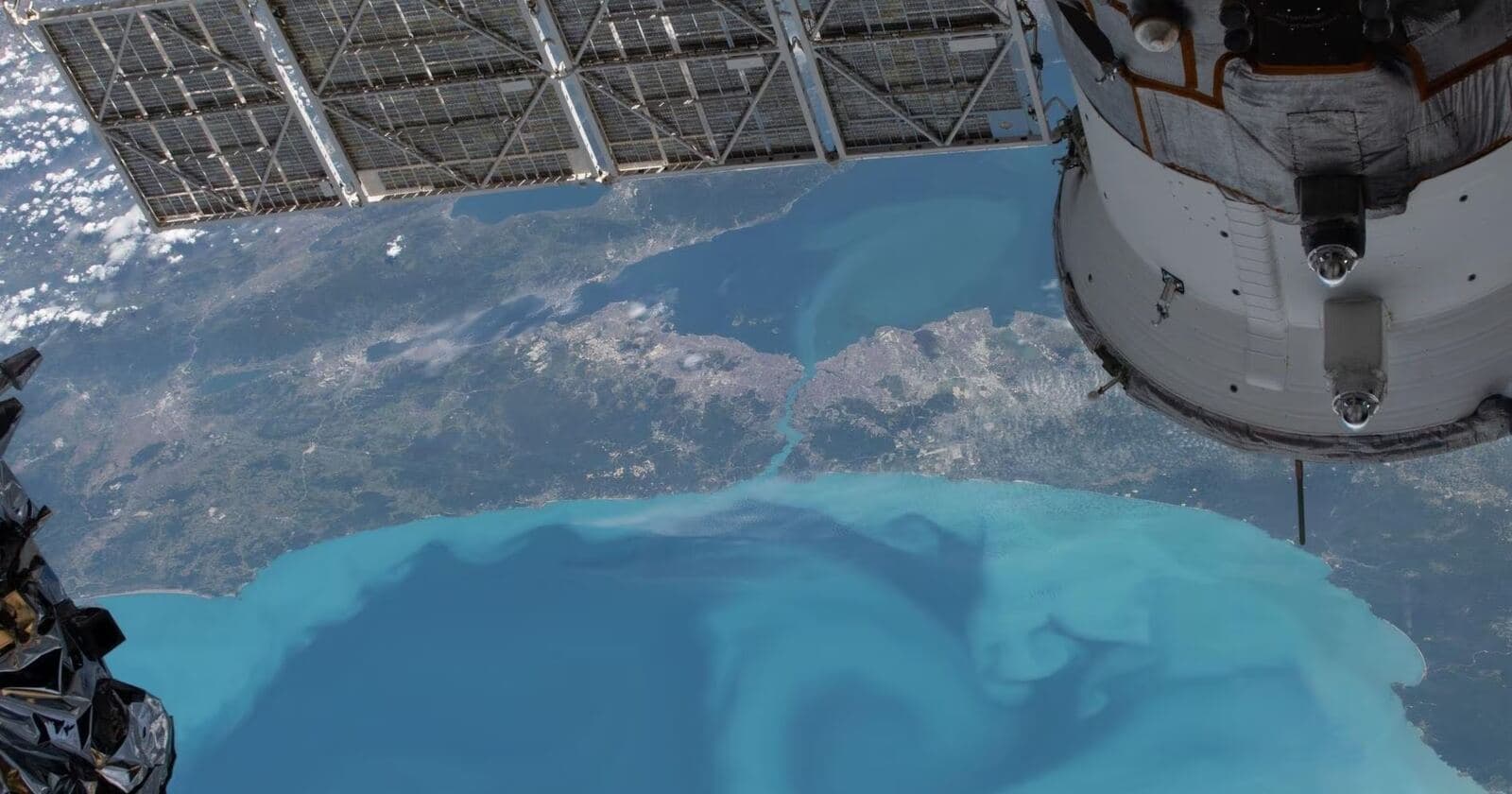
NASA captures a turquoise plankton bloom in the Black Sea
Axiom Space and Axiom Station in Europe
The Swiss hub also ties into Axiom’s broader station plans. The company is one of the leading contenders to build commercial infrastructure that could succeed the ISS, and it already works with European industry on those ambitions. Thales Alenia Space is producing modules for Axiom Station in Turin, which are meant to form the backbone of an independent station in low Earth orbit.
- Base: Lucerne, Switzerland
- Launch window: summer 2026
- Main partners: ESA, national agencies, universities and industry
- Focus areas: microgravity research, space manufacturing and orbital computing
The bet on Europe after the ISS
From Lucerne, Axiom plans to push research in microgravity, space manufacturing, orbital computing platforms and joint programmes with European universities and research centers. That is a sensible play: as the market moves from government stations to commercial platforms, the companies with the strongest European ties will be best placed to win both public support and private business.
The open question is how quickly that commercial station economy arrives. Axiom is clearly behaving as if the race has already begun, and in space business, that usually means everyone else is about to start moving too.

Frontier Editor
Dan is our resident futurist, covering electric mobility, space exploration, and the smart home. He's interested in atoms just as much as bits. Whether it's a new battery chemistry, a reusable rocket, or a protocol that finally makes IoT devices talk to each other, Dan breaks down the engineering that pushes humanity forward.
via ixbt.com