• 3 min read
Asus’s 34-inch QD-OLED gaming monitor lands in the US
Asus has started selling the ROG Swift OLED PG34WCDN in the US, bringing a 34-inch curved ultrawide QD-OLED gaming monitor with a 360Hz refresh rate and a $1,299 price tag. It’s a familiar Asus play: pack in a headline-g
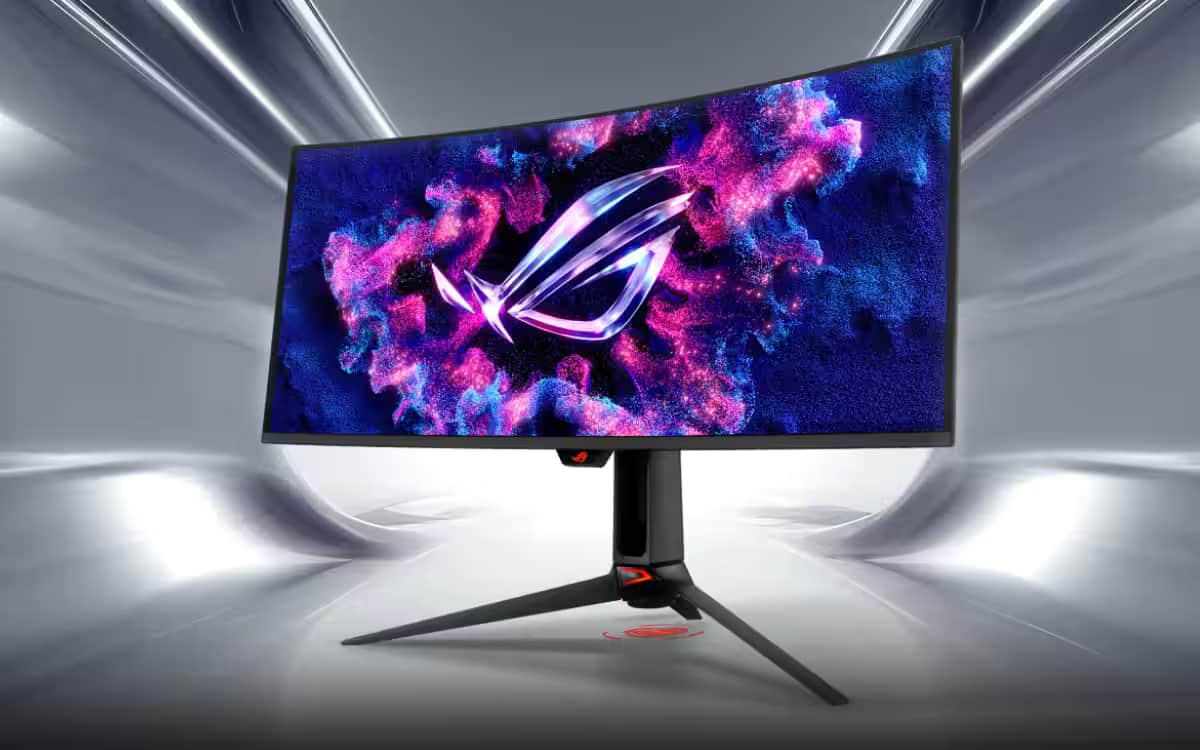
Asus has started selling the ROG Swift OLED PG34WCDN in the US, bringing a 34-inch curved ultrawide QD-OLED gaming monitor with a 360Hz refresh rate and a $1,299 price tag. It’s a familiar Asus play: pack in a headline-grabbing spec sheet, then quietly add enough desktop-friendly tweaks to make the panel less annoying for everything except, perhaps, your electricity bill.
The monitor is built around Samsung’s latest Tandem RGB QD-OLED panel, and that matters because Asus has moved away from the older triangular sub-pixel layout. The new RGB stripe arrangement should reduce the text fringing that has made some OLED displays feel great for games but awkward for reading, spreadsheets, and the rest of normal life.
ROG Swift OLED PG34WCDN specifications
- 34-inch curved panel with an 1800R curve
- 3440 x 1440 resolution
- 360Hz refresh rate
- 0.03ms response time
- Peak HDR brightness of 1,300 nits
- 99% DCI-P3 color coverage
Asus is also leaning hard on durability and visibility. The BlackShield film is meant to resist scratches and keep blacks looking dark in bright rooms, which is a useful fix since OLED panels can take on a purplish tint under ambient light. Add the custom heatsink and a proximity sensor that blacks out the screen when you leave your desk, and you can see the company is trying to head off the two classic OLED complaints: burn-in anxiety and reflection grumbling.
Ports and power for a high-end setup
The connectivity is appropriately overbuilt. DisplayPort 2.1a with 80Gbps of bandwidth can drive the panel at its full 3440 x 1440 resolution and 360Hz without display stream compression, while two HDMI 2.1 ports, a USB-A hub, and a USB-C port with 90W charging cover most gaming-laptop and desktop combinations.
There’s also a built-in KVM switch, which lets one keyboard and mouse hop between two computers. That’s the sort of feature that sounds boring until you actually need it, at which point it suddenly feels like genius, or at least a welcome alternative to cable chaos.
Recommended reading
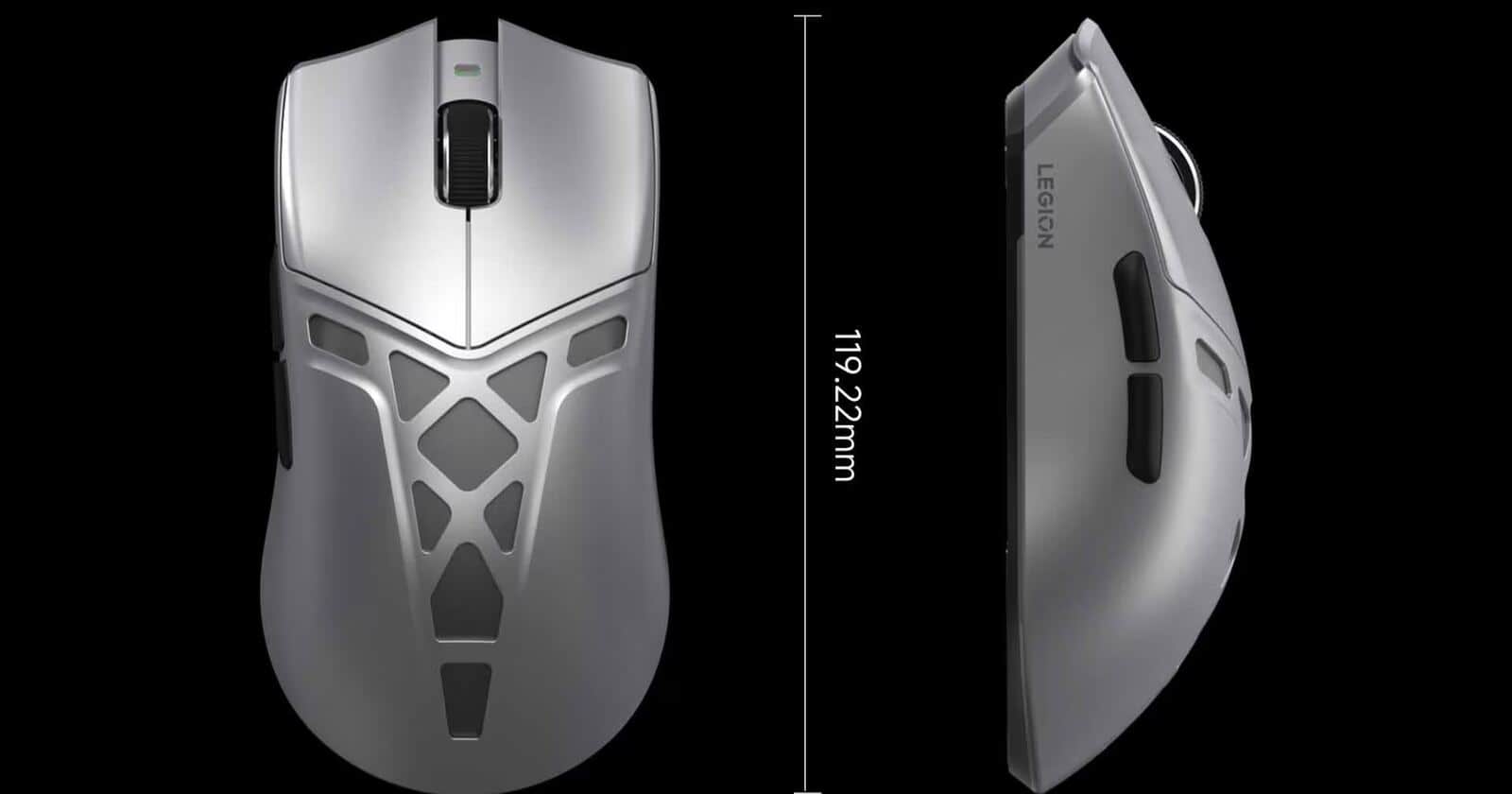
Lenovo’s Legion Y7MG mouse weighs 59 grams
How Asus stacks up against rivals
Asus is not alone in pushing monitor refresh rates into the absurd. AOC recently showed off a 2K 425Hz Fast IPS display, while LG has been talking up a more affordable 23.8-inch FHD model with a 144Hz refresh rate. The Asus panel sits at the premium end of that spread, betting that ultrawide OLED shoppers care more about contrast, motion clarity, and a cleaner desktop experience than about squeezing every last dollar out of the buy.
The bigger question is how many buyers will pay $1,299 for a monitor that is clearly aimed at enthusiasts who want both a gaming flex and a usable work screen. If Asus’s RGB-stripe QD-OLED panel does solve the usual OLED text issues, that could make this kind of ultrawide feel less like a specialist toy and more like the default premium choice for people who do everything on one screen.
Culture Editor
Maya explores gaming, streaming, and the internet as a place where people actually live. From deep-dives into creator economies to the anthropology of digital communities, she tracks platform drama and cultural shifts so you don't have to. She believes the best tech stories are fundamentally about human behavior.