• 2 min read
ASML says 2027 EUV capacity is nearly sold out
ASML has already factored Elon Musk’s Terafab into 2027 and 2028 plans, as demand for EUV chipmaking tools tightens further.
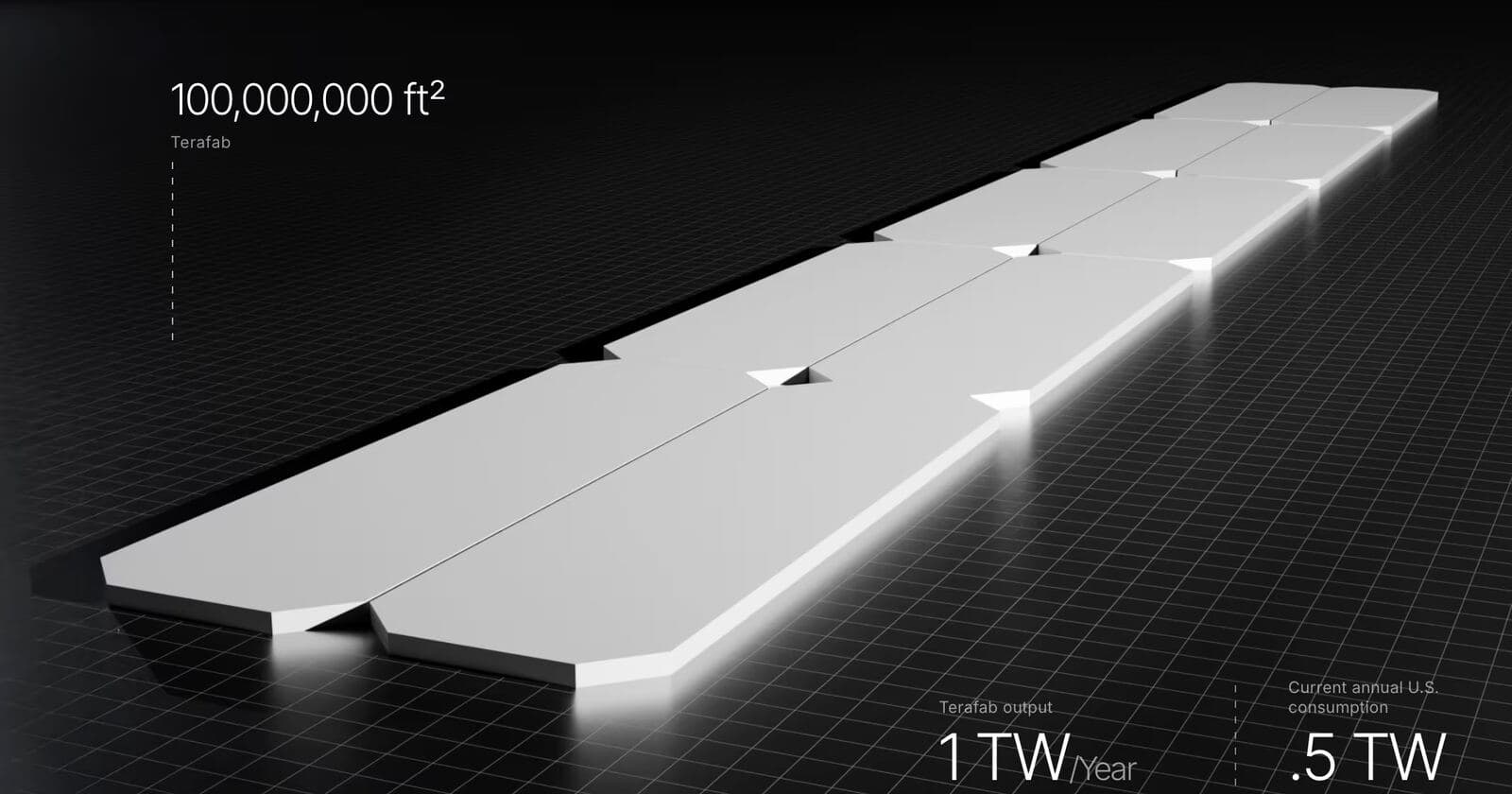
Image: ITzine
ASML has already built demand from Terafab into its 2027 and 2028 production plans, a notable sign for a project that has not yet launched. The Dutch company confirmed that Elon Musk’s future Texas fab is part of its planning for lithography equipment output, suggesting the project is already affecting delivery schedules for the semiconductor industry’s scarcest machines.
ASML CFO Roger Dassen said the company is in contact with all customers and tracks their construction plans, and that Terafab “is also on that list.” He added another important marker for the market: ASML’s EUV lithography capacity for 2027 is already almost fully taken, while 2028 has also attracted a significant volume of early orders.
That matters because ASML remains the only supplier in the world of serially produced EUV scanners, the systems required for mass production of the most advanced chips. A single machine costs hundreds of millions of euros, and industry analysts estimate that the newer High-NA EUV systems can cost customers more than 350 million euros per unit.

Recommended reading
OpenAI loses EU trademark fight over its name
Terafab has been described as a project to build the world’s largest semiconductor and AI chip manufacturing facility. It is being developed in Austin by Tesla, SpaceX, and xAI. The idea is to bring nearly the full chain onto one site, from chip design and wafer production to packaging and memory-to-logic integration.
That approach fits a broader push across the industry as demand for AI accelerators rises faster than the manufacturing capacity needed to build them. TSMC is building and expanding sites in Arizona, Samsung is growing production in Texas, and Intel is trying to regain ground through fabs in the US and Europe.
The difference with Musk’s effort is its apparent focus on an internal ecosystem for Tesla, xAI, and potentially other related projects, rather than on the contract manufacturing model. For now, the market is likely to watch the next concrete signals: how many orders get confirmed, when construction actually starts, and which technology partner is chosen. In semiconductors, a place in the equipment queue often says more about a project’s seriousness than the first concrete on-site.

Enterprise Editor
Marcus follows the money. He covers enterprise software, cloud architecture, and the tectonic shifts in Big Tech strategy. He translates dense earnings calls and complex M&A activity into actionable insights about where the industry is actually heading. If a tech giant makes a silent pivot, Marcus is usually the first to notice.
via ITzine