• 2 min read
Apple rewrites Screen Time for iPhone, iPad and Mac
Apple is giving Screen Time a much-needed overhaul, adding stronger child-safety controls across iPhone, iPad, and Mac as part of iOS 27, iPadOS 27, and macOS 27. The update tightens who children can contact in Messages,
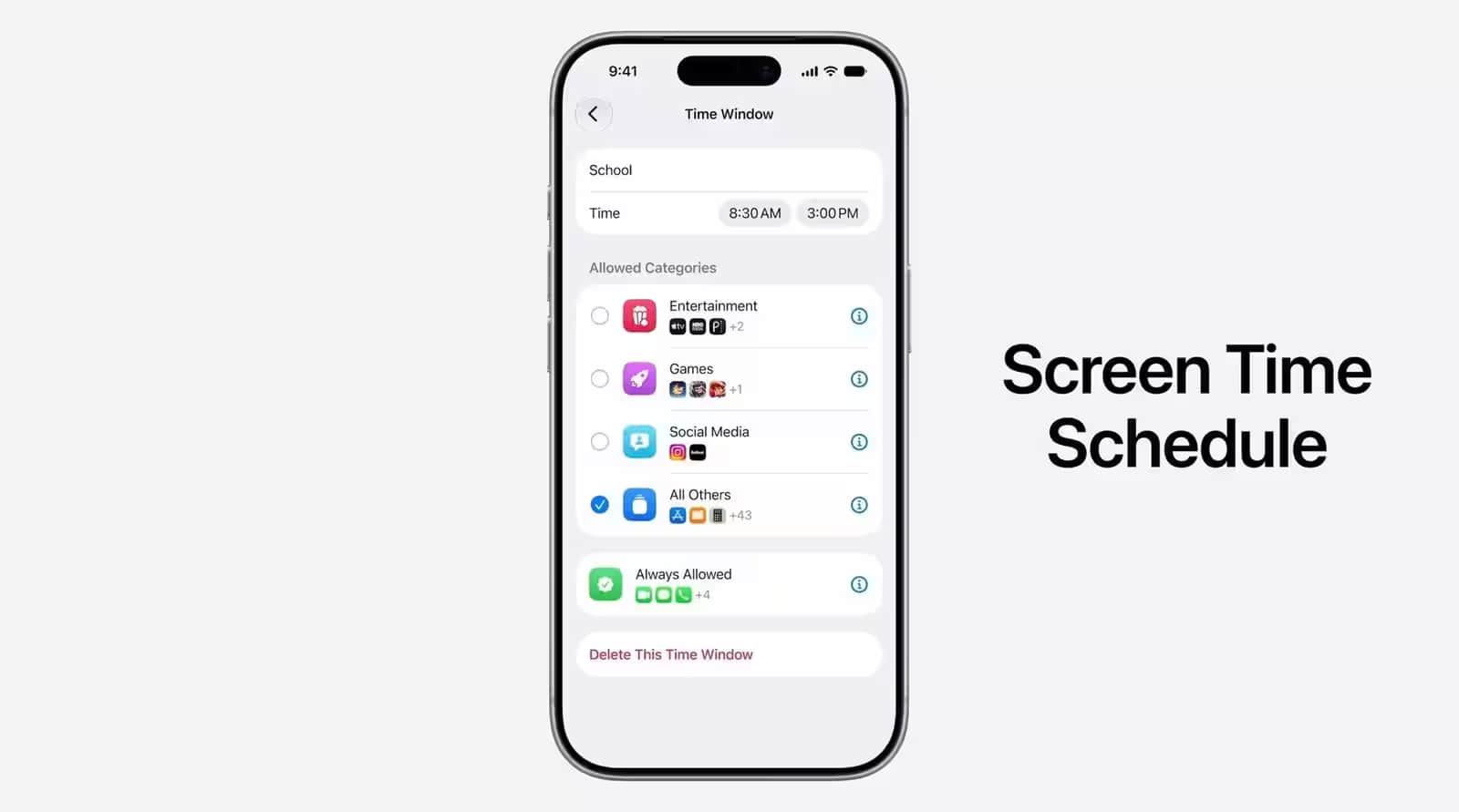
Image: The Verge
Apple is giving Screen Time a much-needed overhaul, adding stronger child-safety controls across iPhone, iPad, and Mac as part of iOS 27, iPadOS 27, and macOS 27. The update tightens who children can contact in Messages, expands control over app and content access, and introduces recommended time allowances that may finally make parental controls feel less like a scavenger hunt through settings menus.
The move comes as smartphone and app makers keep getting nudged, and sometimes pushed, toward stricter youth protections. Apple says the new tools follow guidance from the American Academy of Pediatrics, which has warned that children under 13 should not have access to social media apps. That puts Apple on familiar ground: playing privacy-forward guardian while also trying to avoid the kind of headline-grabbing scrutiny that has hit rival platforms for years.
Screen Time child controls for Messages, apps and browsing
The headline change is more granular control. Parents and guardians will be able to better manage who kids can talk to in Messages, and Apple is also adding “Ask to browse” alongside recommended time allowances in Screen Time. In practice, that sounds like Apple is trying to make permission prompts less blunt and more age-aware, which is overdue given how one-size-fits-all the current tools can feel.

Recommended reading
Google’s Tensor chips finally improved. Now comes the hard part
Apple’s pitch is straightforward: make it easier for adults to manage what children can see, who they can talk to, and when they can use devices. Craig Federighi said the company is giving parents “powerful, easy-to-use tools” during the WWDC keynote, which is exactly the kind of phrasing you’d expect when a platform is trying to reassure families and regulators at the same time.
Google and Meta family controls put pressure on Apple
Apple is not doing this in a vacuum. Google and Meta have spent years layering on family controls, teen protections, and app-management features, often in response to public pressure rather than pure user demand. Apple’s advantage is that it controls the hardware, software, and account ecosystem, which makes enforcement easier than on platforms stitched together from third-party services.
The bigger question is whether Apple can turn Screen Time from a useful but fiddly utility into something parents actually trust enough to leave on. If the company gets the defaults right and keeps the prompts understandable, this could be one of those quiet updates that matters more than the flashier AI demos that usually dominate WWDC.
Gadgets Editor
Eli is obsessed with the tangible future. He reviews phones, wearables, and everything with a battery. Known for his rigorous testing protocols and unabashed teardowns, Eli has broken more review units than he cares to admit, all in the name of discovering the truth about durability and repairability.
via The Verge