• 2 min read
Apple doubles inventory as memory shortages worsen
Apple reports $11.1 billion in inventory as memory shortages raise hardware costs and threaten to slow revenue growth.
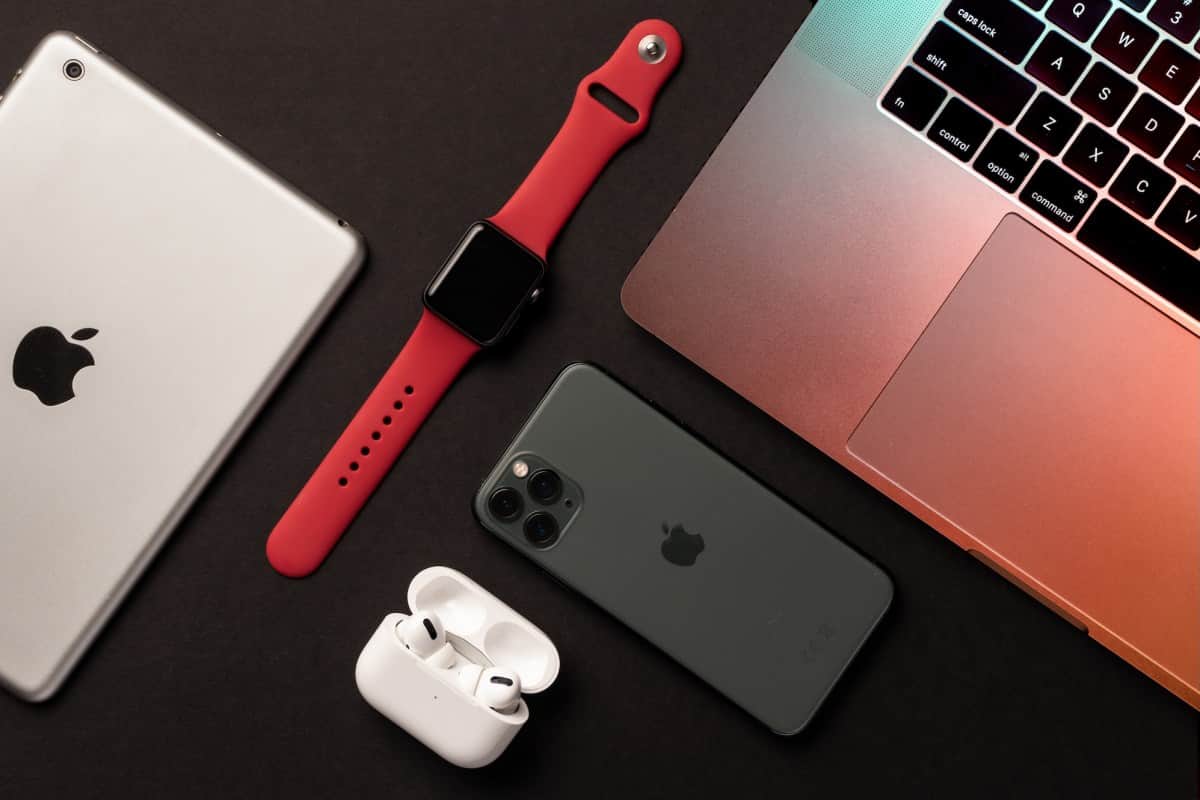
Image: TechCrunch
Apple reported $11.1 billion in inventory as it prepares for worsening memory shortages, nearly twice the $5.7 billion it held last September. The buildup marks a departure from outgoing CEO Tim Cook’s long-standing strategy of keeping Apple’s inventory levels low.
The company’s warning comes as generative AI demand drives up prices for hardware components. Cook described the pressure as “a hundred-year flood [on] memory pricing,” raising production costs for iPhones, MacBooks and other devices.
Apple’s memory supply constraints
Apple said its latest results were its “strongest June quarter ever.” iPhone sales rose 22% year over year, while Mac sales increased 29%, both ahead of expectations. But Apple expects supply constraints to have a significantly greater impact in the coming quarter.

Recommended reading
Apple says App Store rules are slowing Services growth
The most difficult components to secure are the advanced memory nodes used in Apple silicon. Those chips power the A-Series processors in iPhones and the M-Series processors in Macs.
“We continue to expect high levels of demand. However, with less flexibility in supply chain, we expect the impact from the supply constraints to increase significantly sequentially. We’re seeing some very significant constraints currently with limited flexibility in the supply chain to remedy it.”
Cook said Apple is “going to be scrambling on the supply side, essentially.” The company also “reluctantly” raised Mac and iPad prices last month in response to the constraints. Meta, Samsung, Microsoft and Sony have also increased hardware prices.
Slower growth before September CEO transition
For the upcoming quarter, Apple forecasts revenue growth of 9% to 11% year over year, below the roughly 16% year-over-year growth it has maintained in recent quarters. Apple’s stock fell 6% in after-hours trading following the outlook.
The supply pressure will carry into the September transition from Cook to John Ternus, Apple’s senior vice president of Hardware Engineering. The company did not provide further details on how long the shortages will last or when supply flexibility might improve.
Enterprise Editor
Marcus follows the money. He covers enterprise software, cloud architecture, and the tectonic shifts in Big Tech strategy. He translates dense earnings calls and complex M&A activity into actionable insights about where the industry is actually heading. If a tech giant makes a silent pivot, Marcus is usually the first to notice.
via TechCrunch