• 3 min read
Anthropic recruits an OpenAI chip engineer as AI hardware race heats up
Anthropic has hired Clive Chan, one of the engineers involved in OpenAI’s custom chip push, a move that underlines how the AI fight is shifting from models alone to the hardware underneath them. The timing is awkward for
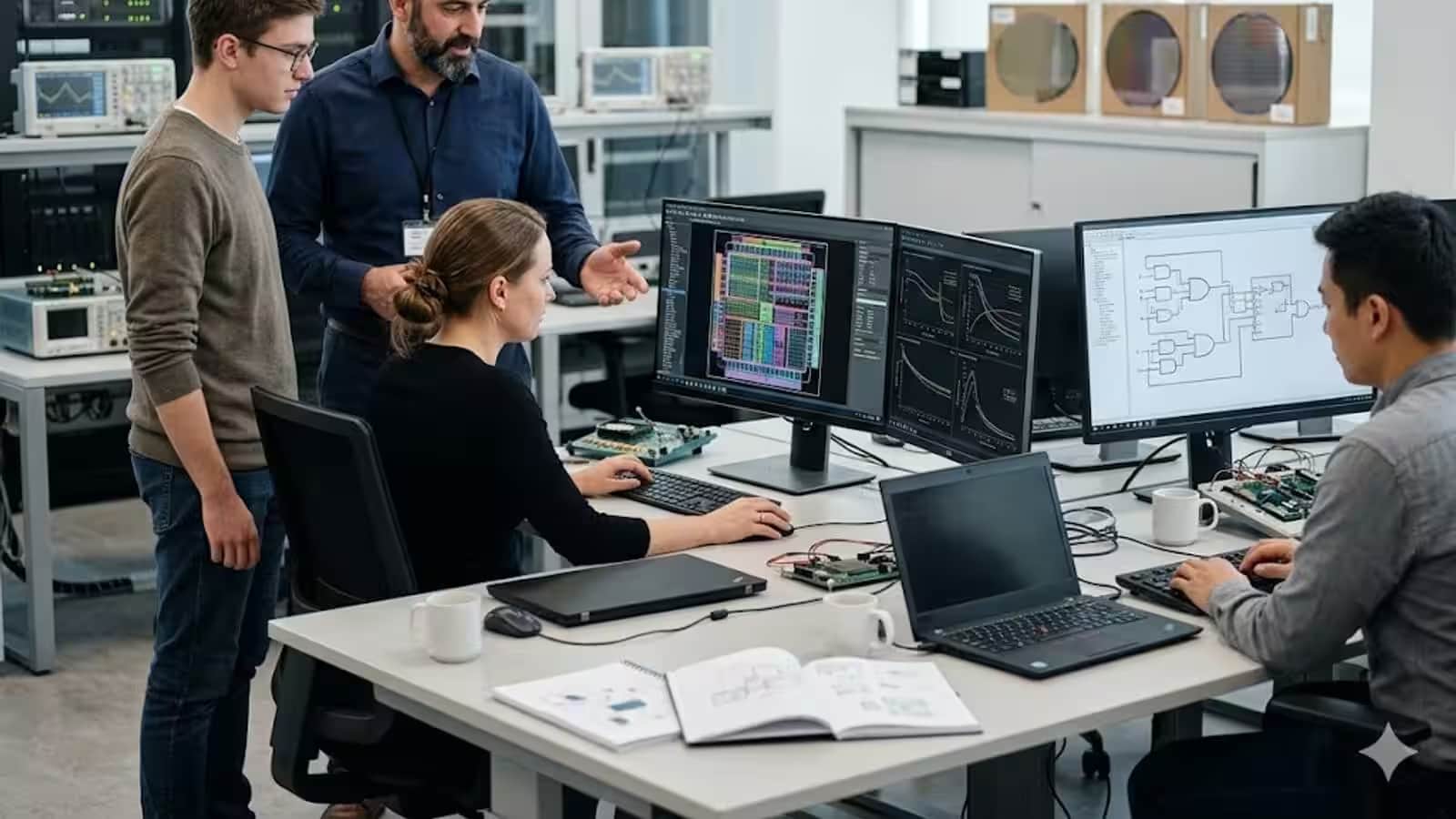
Image: ixbt.com
Anthropic has hired Clive Chan, one of the engineers involved in OpenAI’s custom chip push, a move that underlines how the AI fight is shifting from models alone to the hardware underneath them. The timing is awkward for OpenAI and useful for Anthropic: both are weighing public-market ambitions, both need more compute, and both know that the real bill arrives after the model demo is over.
Anthropic’s custom chip effort is still early, but the company is already leaning on Google TPU infrastructure and Amazon systems while also signing long-term agreements with Google and Broadcom tied to tens of billions of dollars in US AI infrastructure investment. For now, the Anthropic OpenAI chip engineer hire points to a broader push to own more of the hardware stack.
Anthropic’s custom chip effort is still early
Chan said publicly that he was proud to have worked on OpenAI’s in-house processor program and described the team as exceptionally strong. He also suggested the chips could become important building blocks for future AGI systems, which is exactly the kind of optimism chip projects tend to attract before the manufacturing math shows up and spoils the mood.
Anthropic’s own chip effort is reportedly at an early stage, with no full engineering program in place yet. For now, the company leans on Google TPU infrastructure and Amazon systems, while also signing long-term agreements with Google and Broadcom that include tens of billions of dollars in US AI infrastructure investment.
That mix says a lot about the current state of AI economics. The fastest way to cut costs is usually not a brand-new model trick, but better control over inference, the part of the stack that runs trained models at scale and often becomes the biggest line item. OpenAI’s own Broadcom ties show the same logic: if you cannot outspend everyone forever, you start trying to own more of the plumbing.
Recommended reading
Nvidia commits $1 billion to South Korea’s AI buildout
Why inference costs are pushing companies toward custom chips
- Inference is the ongoing cost of serving already-trained AI models.
- Custom chips can reduce dependence on outside suppliers.
- Efficiency gains affect margins directly, especially at large scale.
Chan’s profile points to work on “perplexity per picojoule,” a wonderfully nerdy metric that ties model quality to energy use. That could mean software optimization for existing accelerators, or a deeper role in chip design for Anthropic’s models. Either way, the message is the same: in AI, watts now matter almost as much as parameters.
From Tesla Autopilot to the AI hardware race
Before OpenAI, Chan worked on hardware in Tesla’s Autopilot division, where efficiency and custom silicon were already part of the game. That background fits the industry direction neatly. The biggest AI companies are turning into infrastructure companies, and the people who can move between model design, systems engineering, and chip architecture are suddenly the ones everyone wants.
The next question is whether Anthropic turns this hire into a real silicon roadmap or simply uses it to sharpen its existing stack. If more AI firms decide they need their own chips, Broadcom, TSMC, Google, Amazon, and Nvidia all get pulled deeper into the same expensive race, and the talent market for chip engineers gets even tighter.
AI Editor
Ava covers the rapidly evolving world of artificial intelligence, from foundational models and research labs to the real-world economics of intelligence. With a background in computational linguistics, she cuts through the hype to find out what actually works. She firmly believes that benchmarks are just marketing until reproduced in the wild.
via ixbt.com