• 3 min read
AMD keeps AM5 through Zen 7, plans AM6 for DDR6
AMD reportedly plans to keep AM5 through Zen 7, with AM6 arriving in 2029 alongside Zen 8 and DDR6.
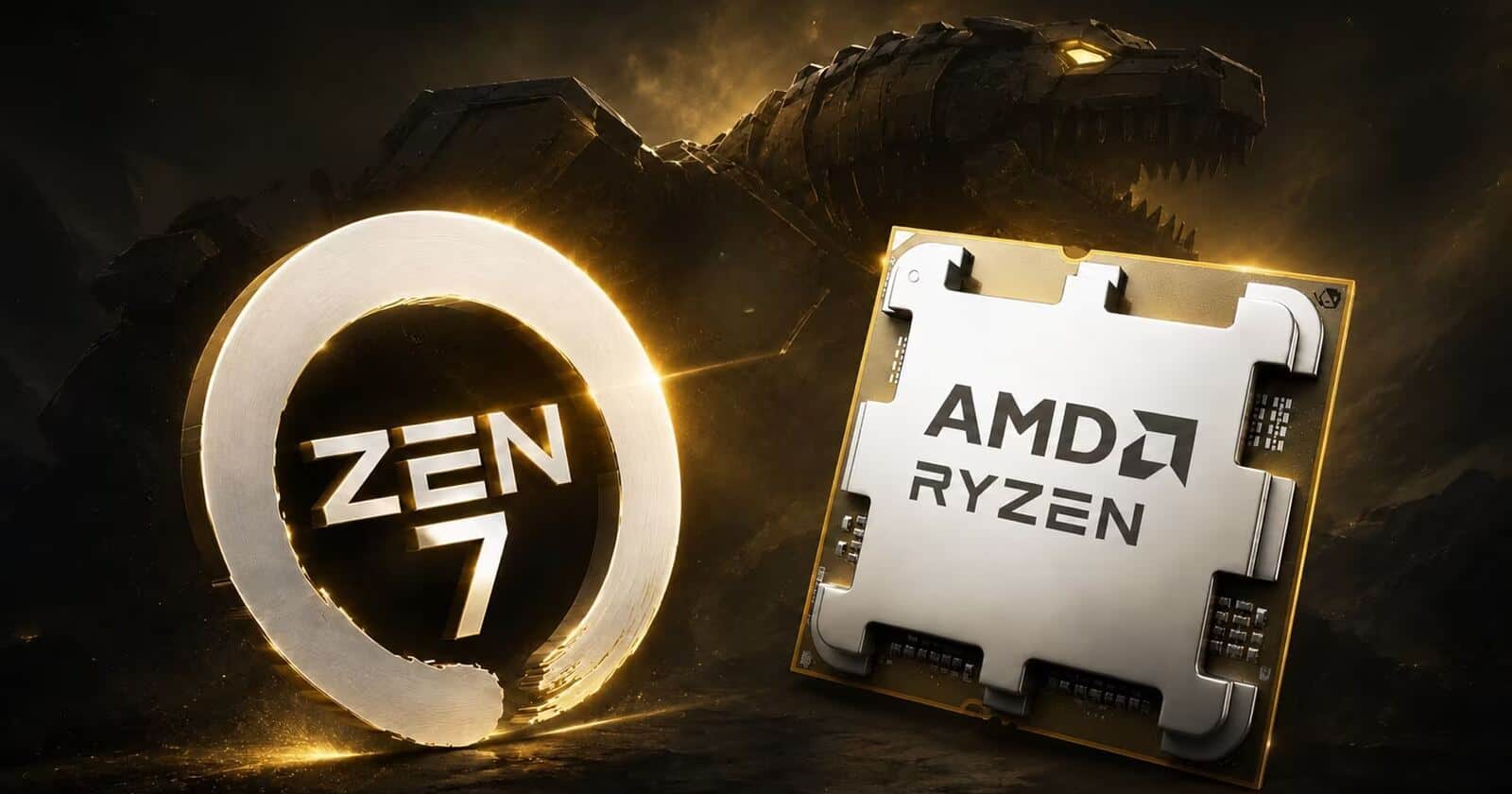
Image: ITzine
According to a recent roadmap, AMD is not planning a dramatic reshuffle of its desktop platform. AM5 is expected to remain in use through at least Zen 7, while AM6 is reportedly planned for 2029 alongside Zen 8 and DDR6.
Image: AMD
If the forecast holds, AM5 will become one of AMD’s longest-lived desktop platforms. The socket launched in 2022 with Ryzen 7000, followed by Ryzen 8000G and Ryzen 9000. Zen 6 and, apparently, Zen 7 are next in line.
That gives buyers a longer upgrade path than they often get from competing platforms. Intel has changed sockets several times in recent years, while AMD has continued to support processor upgrades without requiring a new motherboard. For mainstream PC builders, that remains one of AM5's strongest selling points.
Recommended reading
Taiwan orders Multibeam’s photomask-free chip lithography platform
AM5 support through Zen 7
The roadmap places Zen 6, reportedly known by the codename Olympic Ridge, before Zen 7. If AMD maintains an approximately two-year cadence for desktop processors, Zen 7 could arrive for servers in 2028 and for consumer PCs in 2029.
That would give AM5 a lifespan of roughly seven years, counted from its 2022 launch to the arrival of Zen 7. A single processor-and-chipset platform surviving that long is unusual in the market. With Intel, a platform change often means a new motherboard and, in some generations, a new memory standard as well.
AMD appears to change sockets when the underlying hardware standards require it. For AM5, that point may not arrive until DDR6 and the next major PCIe transition—well beyond the current upgrade cycle.
Preliminary information also suggests that Zen 7 will not require an immediate move away from AM5, even as AMD adopts more advanced TSMC process technology. Process variants such as A16, A14, or a combination of the two could improve transistor density and efficiency without breaking socket compatibility.
Why AM6 is tied to Zen 8
AM6 is being positioned as the platform for a substantial standards upgrade rather than a routine socket replacement. Rumors point to DDR6 support, while Zen 7 is expected to remain on DDR5, albeit with faster MRDIMM modules and LPDDR5X in some configurations.
The same division appears in AMD’s server roadmap. EPYC Florence, based on Zen 7, is expected to retain the SP7 and SP8 platforms and continue using DDR5. For AMD, the shift to new memory therefore appears to mark the next generation rather than every major architectural update.
For users who upgrade gradually, the strategy could make AM5 motherboards especially durable. A well-built board with adequate power delivery and cooling may support several Ryzen generations instead of the one or two commonly associated with competing platforms.
If AMD follows this roadmap, AM5 upgrades could continue through the end of the decade. AM6 will then need to offer a meaningful capability jump to persuade users to leave a still-functional AM5 system.
Computing Editor
Tomas lives in the terminal. He covers chips, laptops, and operating systems with a focus on performance and efficiency. He reads kernel changelogs the way other people read fiction, and he's always on the hunt for the perfect mechanical keyboard switch. If it processes data, Tomas has an opinion on it.
via ITzine