• 2 min read
Alibaba Opens SAIL to Challenge Nvidia’s CUDA Lock-In
Alibaba’s T-Head open-sourced SAIL for its Zhenwu AI chips, aiming to make migration from Nvidia CUDA easier for developers.
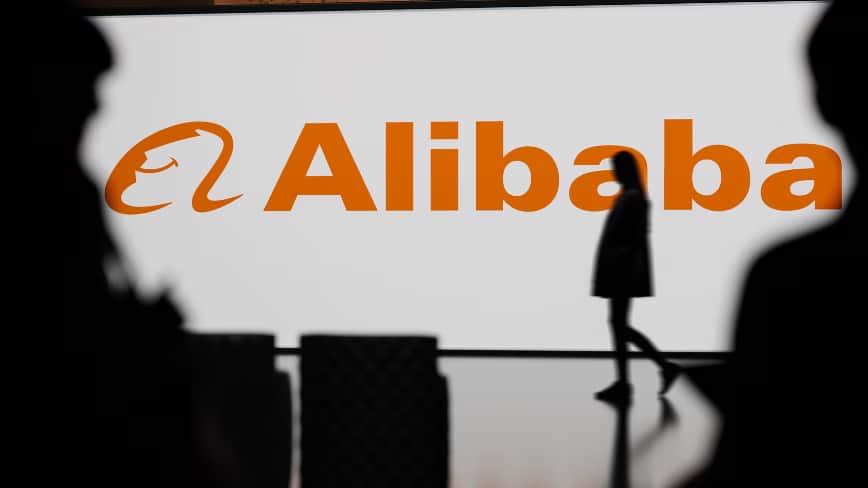
Image: TNW
Alibaba’s chip-design unit T-Head has open-sourced SAIL, the complete software stack for its Zhenwu AI chips. The announcement came Saturday at the World AI Conference (WAIC) in Shanghai, with the company positioning SAIL as a way to reduce the cost and complexity of moving away from Nvidia’s CUDA ecosystem.
T-Head said developers can adapt SAIL to mainstream AI frameworks in under seven days. That effort targets a major source of dependence in the AI hardware market: the vast majority of developers worldwide use CUDA, Nvidia’s proprietary GPU programming toolkit. The resulting software lock-in encourages customers to keep buying Nvidia hardware, helping the company reach a $3.4 trillion market cap.
Chinese chipmakers target CUDA migration
The open-source release also aligns with a broader push for Chinese alternatives to Nvidia’s software platform. Xi Jinping argued at the same conference on Friday that no single country should monopolize AI. For China’s chipmakers, the implication is that technological independence requires competing at the software layer as well as producing alternative processors.
Recommended reading
ChatGPT Will Alert Parents About Teen Account Blocks
T-Head is competing with other Chinese hardware companies pursuing the same developer transition:
- Huawei open-sourced CANN, its software platform for Ascend AI processors, in 2025.
- Moore Threads has developed a similar software stack for its GPUs.
The companies want engineers to run code on Chinese hardware while retaining access to frameworks such as PyTorch. The main obstacle is not only technical compatibility. CUDA has a 17-year head start and the industry’s largest library ecosystem, making developer habits and existing codebases difficult to displace.
Alibaba’s timing and Zhenwu adoption
The release comes as Alibaba faces heightened scrutiny in the United States. Anthropic accused Alibaba’s Qwen lab last month of operating the largest AI distillation campaign ever against a US company, while the Pentagon added Alibaba to its Chinese military companies blacklist in June. Open-sourcing SAIL gives Alibaba a public role in open AI infrastructure as it challenges those designations in court.
Alibaba has already shipped 560,000 Zhenwu chips to more than 400 customers. Making the software layer publicly available could strengthen that installed base—and make the resulting ecosystem harder for any single government to shut down.

AI Editor
Ava covers the rapidly evolving world of artificial intelligence, from foundational models and research labs to the real-world economics of intelligence. With a background in computational linguistics, she cuts through the hype to find out what actually works. She firmly believes that benchmarks are just marketing until reproduced in the wild.
via TNW