

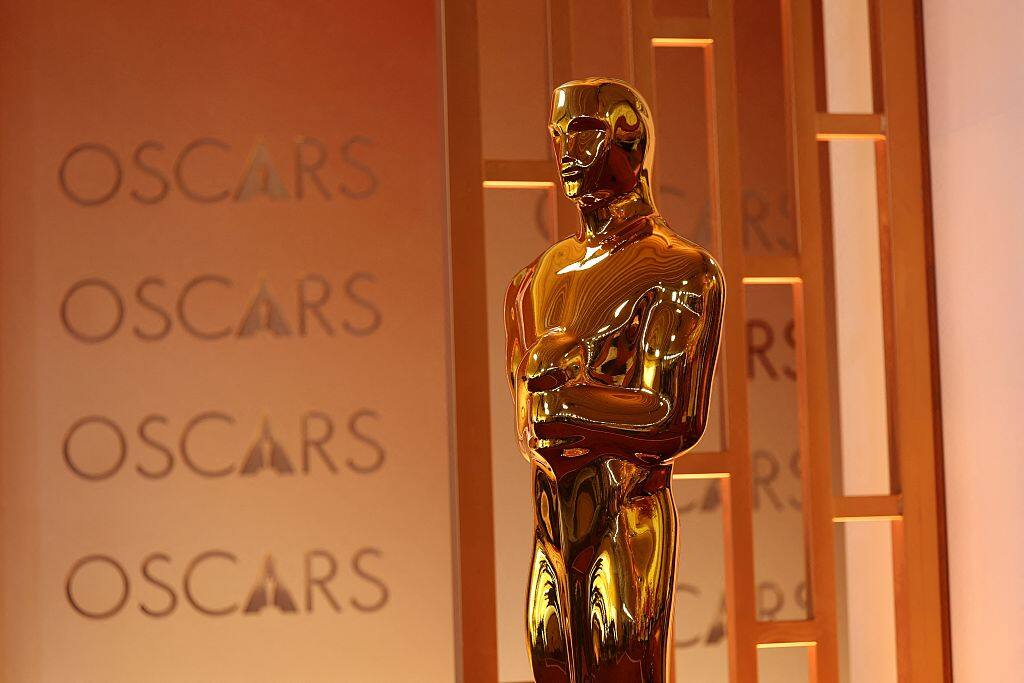
The Academy Awards are drawing a hard line around generative AI: if a performance was not demonstrably performed by humans with their consent, it will not qualify for an Oscar, and neither will a screenplay that is not human-authored. The Academy of Motion Picture Arts and Sciences announced the rule changes on Friday, a clear attempt to keep the awards tied to human creative credit even as studios, filmmakers, and software vendors keep testing the edges of that idea.
The move lands in the middle of a wider panic-and-opportunity phase for Hollywood. AI has already become a flashpoint in the actors’ and writers’ strikes in 2023, and the pressure has only grown as newer video tools make synthetic performances cheaper, faster, and harder to ignore. The Academy is not banning AI from productions outright, but it is telling voters that the award itself belongs to people, not prompts.
What the Academy Awards now require
Under the new rules, eligibility depends on two things: the credited performance has to be in the film’s legal billing, and it has to be demonstrably performed by humans with their consent. Screenplays face an even starker test: they must be human-authored. The Academy also said it can ask for more information about a film’s AI usage and its human authorship, which gives it room to scrutinize borderline cases instead of waiting for a future scandal to write the policy for it.
- Eligible performances must be credited in the film’s legal billing.
- Performances must be demonstrably performed by humans with their consent.
- Screenplays must be human-authored.
- The Academy can request more detail on AI use and authorship.
Hollywood’s AI fight is moving from theory to awards rules
This is the Academy catching up with a problem it can no longer pretend is hypothetical. An independent film is reportedly in the works with an AI-generated version of Val Kilmer, and AI ”actress” Tilly Norwood has already become the sort of name that guarantees arguments in green rooms and group chats. Add the rapid progress of video generation models, and you get a climate where the people judging craft have to decide how much machine help is too much.
Other parts of the creative world are converging on the same answer. Writers’ groups have been pushing for award rules that exclude AI-assisted work, and a publisher has already pulled a novel over suspected AI use. That makes the Academy’s new stance less of a one-off Hollywood panic and more of a signal: the industry is moving toward separate lanes for human creation and machine-assisted production, even if those lanes are still messy and easy to game.
The new fight will be proving authorship
The real battle now is documentation. Studios can market a film any way they like, but the Academy’s willingness to ask for more information means the burden shifts to producers to show where the human work begins and the machine work ends. Expect a lot more fine print, a lot more defensiveness, and, inevitably, a few award-season headaches for anyone hoping AI can quietly disappear into the credits.