

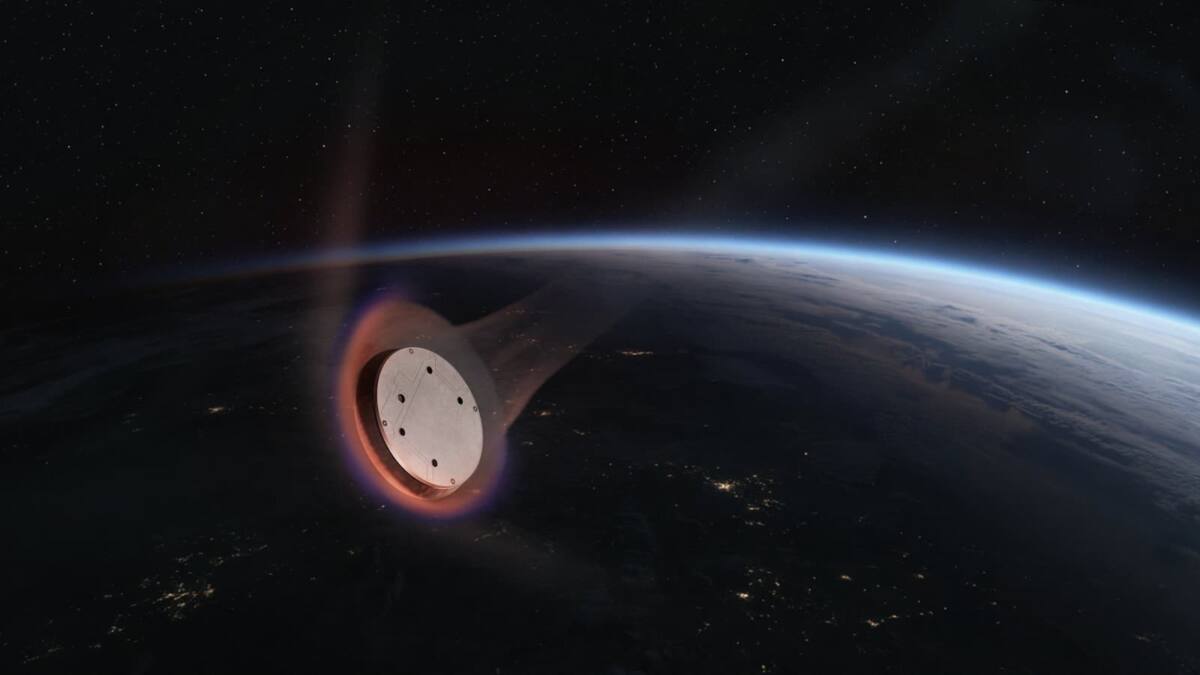
SpaceX’s mysterious new Starfall capsule appears to have carried something closer to a brewery lab than a typical space payload: beer and wine yeast, plus plant seeds, on a mission launched on 23 June and recovered the next day after a splashdown in the Pacific. SpaceX has said almost nothing about the flight, but Starbase Brewing has now confirmed it used the ride for a space-exposure experiment tied to future orbital production work. In other words, the SpaceX Starfall mission appears to have hauled beer yeast to orbit.
That is a very SpaceX kind of plot twist. The company keeps pushing reusable hardware into new roles, while smaller partners use the ride to test the kind of cargo that could matter if microgravity manufacturing ever grows beyond a niche science project.
What went up on the SpaceX Starfall mission
According to Starbase Brewing, the payload – called ”Brewery Archive Space Exposure Demonstrator” – included dozens of strains of brewing, distilling, and wine yeast from around the world. It also carried seeds from Texas plants, including bluebonnet. The goal now is to study how those samples changed after time in space.
- Launch date: 23 June
- Rocket: Falcon 9
- Launch site: SLC-40 at Cape Canaveral
- Capsule diameter: 3.1 meters
- Payload capacity: up to one ton
Why yeast is going to space
This is not just a glorified pub stunt. Yeast is one of the workhorses of biology, which makes it a handy test subject for research on fermentation, stress, and how living systems behave outside Earth’s gravity. The brewing angle also gives companies a commercial hook, which tends to help experiments survive the journey from novelty to repeatable science.
Starbase Brewing says the mission follows its earlier MicroBrew-1 and OASIS projects on the International Space Station. Those earlier tests looked at brewing ingredients in microgravity and, in OASIS, growing plants in soil in space for the first time. That’s the real trend here: space experiments are slowly shifting from one-off demonstrations to payloads with possible industrial value.
Starfall’s job is to carry and return cargo
Starfall’s core mission is simple: take cargo to orbit and bring it back intact. The capsule was delivered to Long Beach by sea on 24 June after autonomous reentry and a Pacific Ocean splashdown, but SpaceX has not publicly described how the flight went or what else was aboard. That silence is predictable; the interesting part is that a 3.1-meter capsule built for valuable research cargo is now being used by biotech, brewing, and materials teams that want quick access to space without buying a whole spacecraft.
The next clue may come from what Starbase Brewing says it plans to announce. If the samples survived in good shape, expect more small companies to treat orbital exposure less like science fiction and more like a very expensive lab service with a return address.