

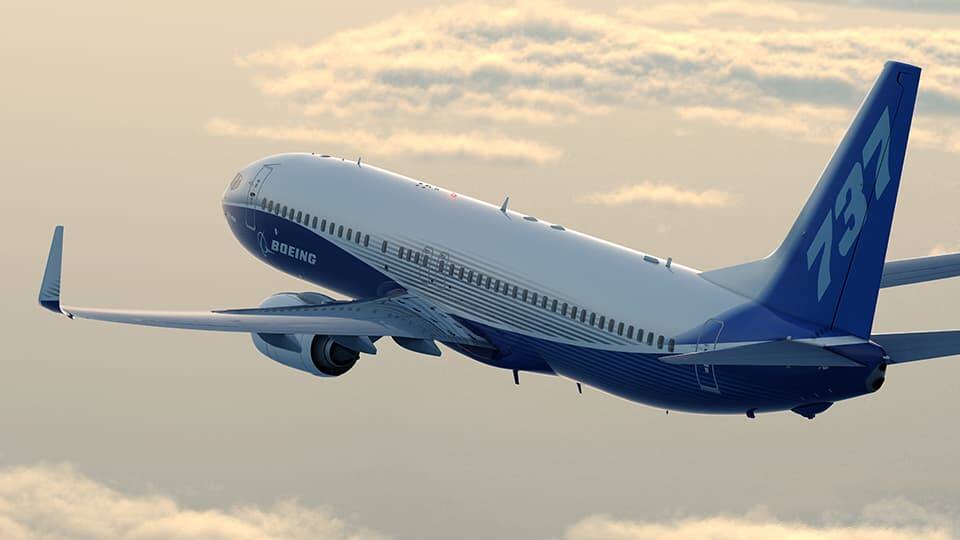
Delta Air Lines is fitting 240 Boeing 737-800 and 737-900ER jets with small aerodynamic finlets, a retrofit that should cut fuel burn by about 1.2% without touching the engines. It’s a modest percentage on paper, but on a fleet this large, modest is exactly how airlines save serious money.
The Delta Boeing 737 finlets project will become the airline’s biggest upgrade of this kind, and it follows real-world testing on 22 aircraft before the carrier committed to rolling it out across the rest of the fleet. That cautious approach is typical for a carrier that runs one of the biggest Boeing 737 Next Generation fleets in service: a tiny drag reduction is only useful if it survives daily operations, maintenance schedules, and the usual airline chaos.
How the Boeing 737 finlets work
The finlets are small vertical aerodynamic elements, about 64 cm long and 6.4 cm high, mounted near the rear of the fuselage. They smooth airflow, reduce drag, and cut turbulence around the tail section. Each aircraft gets four of them: three on the left side and one on the right, where the airflow is already partly altered by the auxiliary power unit intake.
Installing them also lets Delta remove the standard vortex generators between the vertical fin and the horizontal stabilizer, which reduces drag a bit more and lowers vibration at the back of the aircraft. That’s the kind of unglamorous engineering that rarely makes headlines, but quietly compounds across hundreds of flights a day.
Vortex Control Technologies and certification
The technology comes from Vortex Control Technologies, a company founded by former Lockheed Martin engineers who previously worked on the C-130 Hercules and C-17 Globemaster III. The finlets are already certified for the Boeing 737-700, 737-800, and 737-900ER, which removes the biggest hurdle for airlines: proving that a small part can deliver savings without creating a larger maintenance headache.
Fuel-saving retrofits like this have become one of the airline industry’s easiest ways to squeeze efficiency out of older aircraft. Boeing and Airbus both benefit when operators choose upgrades over replacements, and Delta is making a familiar bet: if you can shave drag from a mature airframe, you can buy yourself time before bigger capital spending becomes unavoidable.
What Delta gets from a 1.2% cut
A 1.2% reduction may not sound dramatic, but for a major operator it translates into millions of liters of jet fuel saved each year. It also helps explain why airlines keep funding tweaks like winglets, fairings, and other drag-reduction add-ons: the economics look boring until you do the math, and then they look irresistible.
- Aircraft affected: 240 Boeing 737-800 and 737-900ER
- Fuel burn reduction: about 1.2%
- Finlets per aircraft: 4
- Finlet size: about 64 cm long and 6.4 cm high
The real question is whether other large operators of Boeing 737s follow Delta’s lead or stick with more familiar efficiency fixes. If the fleet-wide results hold up, this sort of retrofit could become standard practice long before anyone starts talking about replacing engines just to save fuel.